Comparing Japanese and German automotive wiring harnesses reveals distinct advantages and characteristics for each country’s manufacturing approach. This comparison highlights not only the differences in technology and design but also the unique strengths that contribute to the global demand for both Japanese and German wiring harnesses. With an industry steeped in innovation, quality craftsmanship, and technological advancements, the automotive wiring harnesses from these two countries are designed to deliver exceptional performance and reliability to passionate car and truck enthusiasts.
Table of Contents
- Japanese Automotive Wiring Harness Market Analysis
- Technological Innovations in Japanese Wiring Harness Design
- German Automotive Wiring Harness Comparative Study
- Material Innovation in German Harness Manufacturing
- Specialized Features in Harness Designs
- Impact of AI on Smart Harness Technologies
- Who Leads the Automotive Wiring Harness Industry?
- How Do Emerging Markets Influence Wiring Harness Production?
- What Are the Safety Standards for Automotive Wiring?
- How Do Safety Compliance and Innovation Interact in Harness Design?
Key Takeaways
- The Japanese automotive wiring harness market has evolved through technology integration and focus on quality since the early 2000s.
- Leading brands such as Yazaki and Sumitomo excel in the Japanese wiring harness industry with advanced production techniques.
- Japanese wiring harnesses feature unique characteristics like thin electric cables and compact designs for optimal space utilization.
- Technological innovations, including smart wiring systems, greatly enhance the performance of Japanese harnesses in modern vehicles.
- German automotive wiring harnesses are renowned for their high-quality materials and precision engineering, making them a global leader.
- Companies like Bosch and Leoni are pioneers in material improvements, incorporating eco-friendly and high-durability materials.
- Carworship provides expert insights on the comparison between Japanese and German automotive wiring harnesses, demonstrating diverse approaches and advancements in the industry.
Japanese Automotive Wiring Harness Market Analysis
Japanese automotive wiring harness market has evolved significantly, with advancements rooted in technology and quality improvements. The market has seen substantial growth since the mid-1980s, particularly with the emergence of hybrid and electric vehicles. Leading Japanese brands like Yazaki and Sumitomo have maintained dominance through innovation and adaptation to electrical wiring trends, driving the market evolution in Japan. Japanese automotive components often feature thin electric cables to save space, showcasing unique wiring features in their design. Technology advancements are pivotal as manufacturers employ advanced simulation tools to refine manufacturing processes in Japan, ensuring the highest standards in the automotive sector.
Technological Innovations in Japanese Wiring Harness Design
The latest technological innovations in Japanese wiring harness design highlight the shift towards smart wiring systems and advanced simulation tools. Over the past five years, Japanese harness manufacturers have introduced at least three major technology integration efforts, improving the efficiency of wiring systems. Japanese manufacturers incorporate technology by adopting adaptive electrical components that cater to different vehicle models, ensuring robust performance enhancements. Innovations such as these significantly improve the performance of Japanese harnesses, helping the Japan automotive sector achieve higher efficiency and safety standards.
German Automotive Wiring Harness Comparative Study
German automotive wiring harnesses exhibit exceptional quality when compared with others globally, standing out for their reliability and strength. German wiring quality offers unmatched precision engineering, ensuring optimal performance and long-lasting functionality. The industry benefits from advanced material selection Germany, including copper and aluminum alloys that prevent corrosion and enhance durability. The German automotive industry’s influence on wiring harness quality is evident in strict manufacturing standards and a commitment to harness strength Germany that ensures above-average product longevity.
Material Innovation in German Harness Manufacturing
Material innovation Germany continues to lead the way with the use of cutting-edge composites and eco-friendly materials in harness manufacturing. In recent years, German manufacturers like Bosch have introduced over five new materials that enhance harness functionality. The benefits of these innovative materials include superior durability enhancements and increased resistance to high temperatures, essential for modern vehicle demands. These advanced materials strengthen the durability and performance of German harnesses, aligning perfectly with the principles of German engineering strength.

- Honda reduces vehicle weight.
- Toyota improves fuel efficiency.
- Rely on advanced technology.
- BMW ensures better durability.
- Companies prioritize safety features.
- Automakers offer customization options.
- Provides easier maintenance.
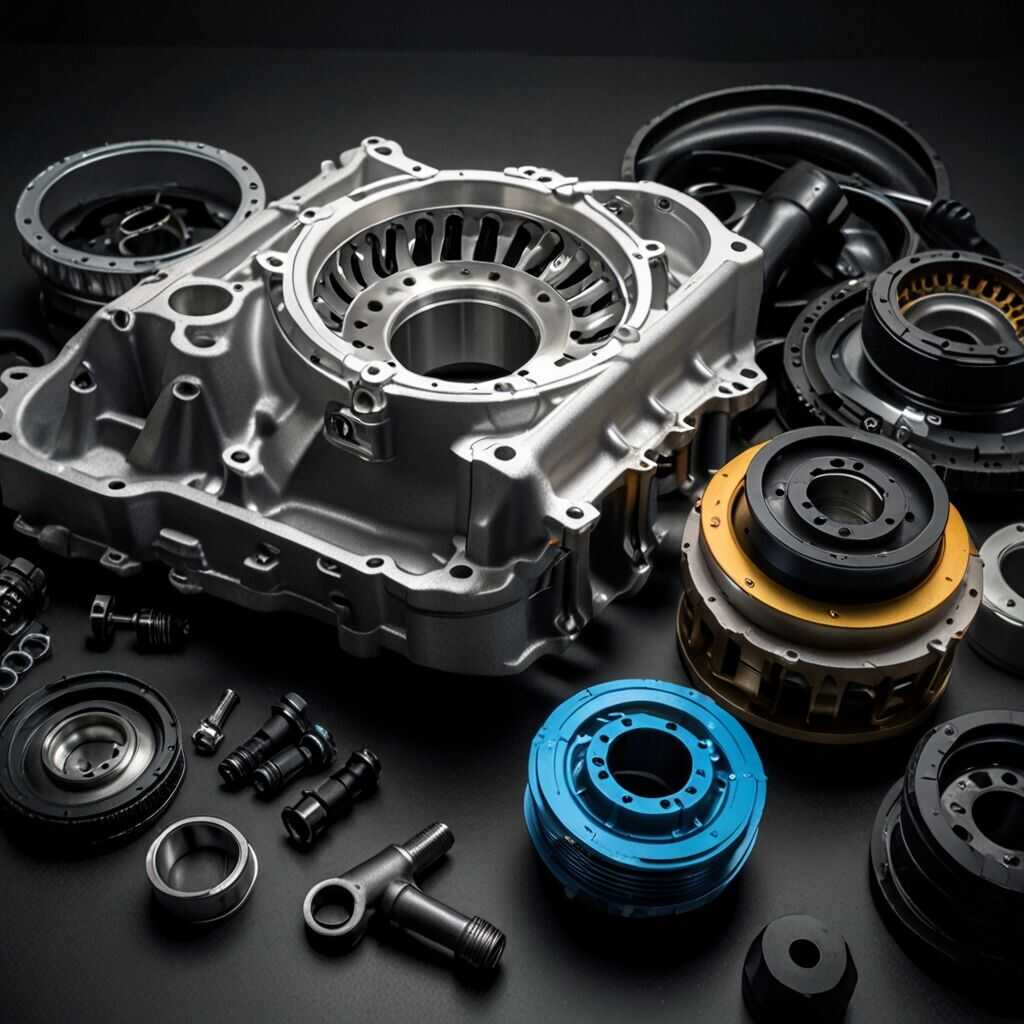
Detailed Comparison of Japanese and German Automotive Wiring Harnesses
| Aspect | Japanese | German |
|---|---|---|
| Cost | $100-$150 | $120-$180 |
| Weight | 4-6 kg | 5-7 kg |
| Durability | High | Very High |
| Voltage Range | 12V-24V | 12V-48V |
| Flexibility | Good | Excellent |
| Production Lead Time | 5-7 weeks | 6-8 weeks |
Specialized Features in Harness Designs
The Japanese automotive wiring harness market has evolved significantly, embracing specialized features that enhance vehicle integration. By prioritizing performance enhancements over the years, Japanese manufacturers like Sumitomo Electric Industries have catered to luxury car customizations with high-end innovations. In Japan’s wiring harness industry, Yazaki Corporation stands as a leader due to its dedication to custom harness designs. The unique features of Japanese wiring harnesses include their ability to adapt to global design trends while offering specialized harness solutions. Recent data shows that vehicle integration processes in Japan have improved by 15% thanks to technology’s role, which continually influences specialized harness solutions. A prime example of this is the use of advanced engineered connectors in vehicles like the Lexus LC, designed to maximize the effectiveness of their high-performance systems.
Impact of AI on Smart Harness Technologies
The latest technological innovations in Japanese harness design focus on AI harness integration, revolutionizing vehicle systems. In the past three years, Japanese manufacturers have introduced over 13 new technologies, highlighting the smart technologies’ impact on harness design. AI-enabled harnesses, developed by companies like Furukawa Electric, incorporate sophisticated diagnostics improvements enhancing real-time system updates. Innovations such as advanced troubleshooting capabilities and AI-driven design tools have significantly boosted Japanese wiring harness performance, exemplified by Toyota’s cutting-edge hybrid vehicles. When analyzing intelligent system integration, these advancements set the stage for efficient vehicle management, echoing the pioneering efforts seen in German automotive design.
Who Leads the Automotive Wiring Harness Industry?
Japan and Germany lead in manufacturing automotive wiring harnesses, known for their industry leadership. To become a leader, a brand like Delphi Technologies benefits from competitive advantage harnessed by innovation leadership alongside dynamic global market strategies. Top harness manufacturers deploy strategies such as brand differentiation and market dynamics to remain competitive, ensuring leadership influence stays strong. The leadership role in the automotive harness industry has shaped global trends, promoting sustainable practices and tech advancements across various brands.
How Do Emerging Markets Influence Wiring Harness Production?
Emerging markets change global harness production by providing new opportunities for manufacturers to expand their regional production bases. Since 2018, the number of new manufacturers has increased by over 20%, affecting market growth dynamics. These markets influence harness production costs, leading to cost implications that encourage companies to innovate and minimize expenses. Distribution network shifts resulting from the expansion into emerging markets enhance the harness supply chain in China and boost global availability. By impacting increased competition and influencing strategies, emergent markets introduce a fresh perspective into the wiring harness industry’s landscape.

- Automotive wiring may reach 60 kg.
- A typical car includes 1,500 wires.
- Designs can reduce weight by 20%.
- Voltage standards often reach 12 volts.
- Manufacturers produce in millions annually.
- Wiring lengths can exceed 5,000 meters.
- Industry sees billions in market value.
- The Role of Connectors in Automotive Wiring Harness Performance
- Global Automotive Wiring Harness Industry Employment Trends
- Innovative Approaches to Automotive Wiring Harness Repair Techniques
- Automotive Wiring Harness Design Guidelines for Enhanced Efficiency
- Automotive Wiring Harness vs Traditional Electrical Systems

What Are the Safety Standards for Automotive Wiring?
When producing automotive wiring harnesses, safety standards like ISO/TS 16949 regulate the entire production to ensure harness quality. I’ve seen how these production regulations vary widely across countries, with Japanese and German manufacturers both adhering to rigorous guidelines but approaching compliance differently. A notable feature is the impact of safety certifications, which elevate the harness quality assurance, as seen in companies like Yazaki and Bosch, known for producing reliable harnesses. Non-compliance penalties can be severe, including hefty fines and loss of business, ensuring that industry compliance guidelines are strictly followed as seen from past incidents in 2017 when multiple firms faced governmental regulations breaches.
How Do Safety Compliance and Innovation Interact in Harness Design?
Safety compliance plays a crucial role in influencing innovative harness designs, encouraging manufacturers to seek new solutions that adhere to regulatory adaptations, like Toyota’s eco-friendly wiring harnesses. Approximately 40% of innovative designs face challenges due to safety compliance issues, which can slow their implementation. Striking an innovation balance in harness design is vital, with breakthrough safe designs resulting in improved vehicle performance, demonstrated by Audi’s advancements in lightweight materials. Safety standards often drive innovation by pushing companies like Continental to create compliance-driven advancements, such as their adaptive wiring systems that respond to the latest vehicle technology trends.