Essential tools for repairing automotive wiring harnesses include wire strippers, crimping tools, and test lights that ensure efficient and effective repair jobs. A complete understanding of these tools and their functions is essential for anyone involved in the intricate world of vehicle wiring systems. Automotive enthusiasts and professionals alike may need insights into various components and tools required for the maintenance and repair of these critical vehicle elements.
Table of Contents
- Understanding Automotive Wiring System Components
- Exploring Automotive Wiring Connectors
- Choosing the Right Tools for Wiring Harness Repair
- Essential Tools for Automotive Wire Stripping
- Evaluating Wiring Harness Thermal Management Tapes
- Why Do Manufacturers Use Heat-Resistant Tapes?
- Benefits of Using Advanced Diagnostic Scanners
- How Do Scanners Detect Wiring Harness Faults?
- Learning the Techniques for Repairing Connector Pins
- What Tools Are Needed for Crimping Connector Pins?
Key Takeaways on Essential Tools for Repairing Automotive Wiring Harnesses
- Klein Tools and Knipex Tools are renowned brands offering high-quality wiring repair tools.
- Precision wire strippers ensure accurate wire stripping in automotive wiring repairs.
- Wiring harness connectors such as Molex and Delphi are vital for harness repair.
- Harness design can impact the automotive electrical system’s efficiency and reliability.
- Carworship is an expert in essential tools and practices for wiring harness repairs.
- Harness repair selection should include tool quality assessment for optimal performance.
- Understanding the automotive wiring components helps in successful repair outcomes.
Understanding Automotive Wiring System Components
Automotive wiring components consist of connectors, cables, and terminals that collectively form a vehicle’s electrical network. These wiring system parts are essential for the automotive electrical function, ensuring everything from the headlights to the navigation system operates correctly. One cannot overlook the role of wiring harness manufacturers who provide the complex systems that interconnect a vehicle’s electronic components. A robust harness design impact can lead to improved efficiency in the automotive electrical system, facilitating smoother operation and less maintenance.
Exploring Automotive Wiring Connectors
Automotive wiring connectors ensure seamless connections within the vehicle’s electrical network. These connector types vary, including Molex connectors for high-current applications and Delphi connectors for secure, weather-proof connections. During harness repair, wiring harness connectors are crucial as they enable reliable attachment and detachment without damaging the wiring. Proper connector selection ensures harness repair connectors fit seamlessly into the repair process, minimizing electrical failures and reducing service time.
Choosing the Right Tools for Wiring Harness Repair
Wiring repair tools include crimpers, multimeters, and insulation strippers, which are essential in efficient harness repairs. Selecting high-quality wiring tools involves tool quality assessment, verifying longevity, and effectiveness in real-world situations. Klein Tools and Knipex Tools are among reliable tool brands known for producing durable and precise instruments for automotive applications. Efficient harness repair requires evaluating tools for robustness, ease of use, and harness repair efficiency, ensuring seamless integration into the repair process.
Essential Tools for Automotive Wire Stripping
Automotive wire stripping necessitates tools capable of fitting diverse wire gauges and insulation types. Various wire stripping tools include automatic wire strippers, ideal for repeated tasks, and micro wire strippers, designed for precision work. For accurate wire stripping, precision wire strippers often offer the best results with minimal effort. Wire stripping is critical in wiring harness repair because a clean wire stripping process ensures reliable solder and crimp connections, reducing potential electrical issues.

- You repair wires faster with the right tools.
- Wire strippers help cut wires cleanly.
- Correct equipment prevents wire damage.
- Terminal crimpers ensure secure connections.
- Good tools improve safety during repairs.
- You save money by reducing mistakes.
- Tools like multimeters detect issues easily.

Comparison of Essential Tools for Automotive Wiring Harness Repair
| Tool | Purpose | Cost ($) | Durability | Ease of Use | Efficiency |
|---|---|---|---|---|---|
| Wire Stripper | Remove wire insulation | 15 | High | Easy | Fast |
| Crimping Tool | Join connectors | 25 | Medium | Moderate | Effective |
| Soldering Iron | Fuse wires | 20 | High | Challenging | Precise |
| Multimeter | Measure voltage | 30 | High | Moderate | Accurate |
| Heat Gun | Shrink tubing | 35 | Medium | Easy | Quick |
| Test Light | Check circuits | 10 | Low | Easy | Simple |
Evaluating Wiring Harness Thermal Management Tapes
Automotive wiring systems primarily consist of connectors, wires, and protective tapes which are essential for durability. Automotive wiring connectors work by ensuring a secure electrical connection between different components. The role harness manufacturers like Sumitomo and Yazaki play in this industry involves designing tapes that withstand heat, weather, and wear. Reliable thermal tapes and harness design significantly impact the electrical system by providing wire harness protection against electrical faults. To maintain harness durability, consider using reputable thermal tape brands like 3M and TESA.
Why Do Manufacturers Use Heat-Resistant Tapes?
Heat-resistant tapes serve to maintain the integrity of an automotive harness by tolerating high temperatures. Automotive harnesses often use connectors like Deutsch and Molex to optimize performance. Connectors are essential because they facilitate seamless connections, which are necessary for effective wiring repair. Choosing the right connector is vital for harness repair, as the wrong selection can diminish temperature tolerance, thereby affecting overall harness performance. Thermal insulation tape and Kapton tapes play key roles in harness manufacturing, ensuring components remain well-insulated.
Benefits of Using Advanced Diagnostic Scanners
Diagnostic scanners assist in automotive wiring maintenance by identifying issues before they lead to significant malfunctions. Over 85% of modern vehicles’ electrical issues are detected using advanced features like live data tracking in scanners. Scanners streamline the wiring repair process by providing detailed insights into connectivity problems. Prominent scanner brands like Autel, and Launch lead in the diagnostic tool marketplace with their innovative OBD-II scanners, enhancing automotive diagnostics treatment.
How Do Scanners Detect Wiring Harness Faults?
Scanners detect wiring harness faults through a meticulous fault detection process that involves analyzing data transmitted via CAN and LIN bus systems. CAN bus scanners and LIN bus analyzers typically identify hundreds of potential faults at once. Essential sensor technologies embedded in these scanners, like microcontrollers and signal processors, help pinpoint specific wiring issues. Scanner reliability is crucial as it directly affects the accuracy and efficiency of identifying harness fault sensors. Bosch and Snap-on are renowned for producing reliable scanner technologies for fault detection.

- Basic toolkits can cost under $50.
- Wire strippers can handle wires from 20-10 AWG.
- Most tools last over 5 years with proper care.
- Terminal crimpers can connect up to 1000 terminals.
- Using proper tools can reduce repair time by 40%.
- About 70% of car electrical problems involve wiring.
- Multimeters can measure up to 600 volts.
- Understanding Automotive Wiring Harness Replacement and Upgrades
- Global Automotive Wiring Harness Industry Employment Trends
- Case Study Understanding Wiring Harness Failures in Modern Vehicles
- How Automotive Wiring Harness Tape Affects Durability
- 3 Big Trends Shaping the 2025 Automotive Wiring Harness Market
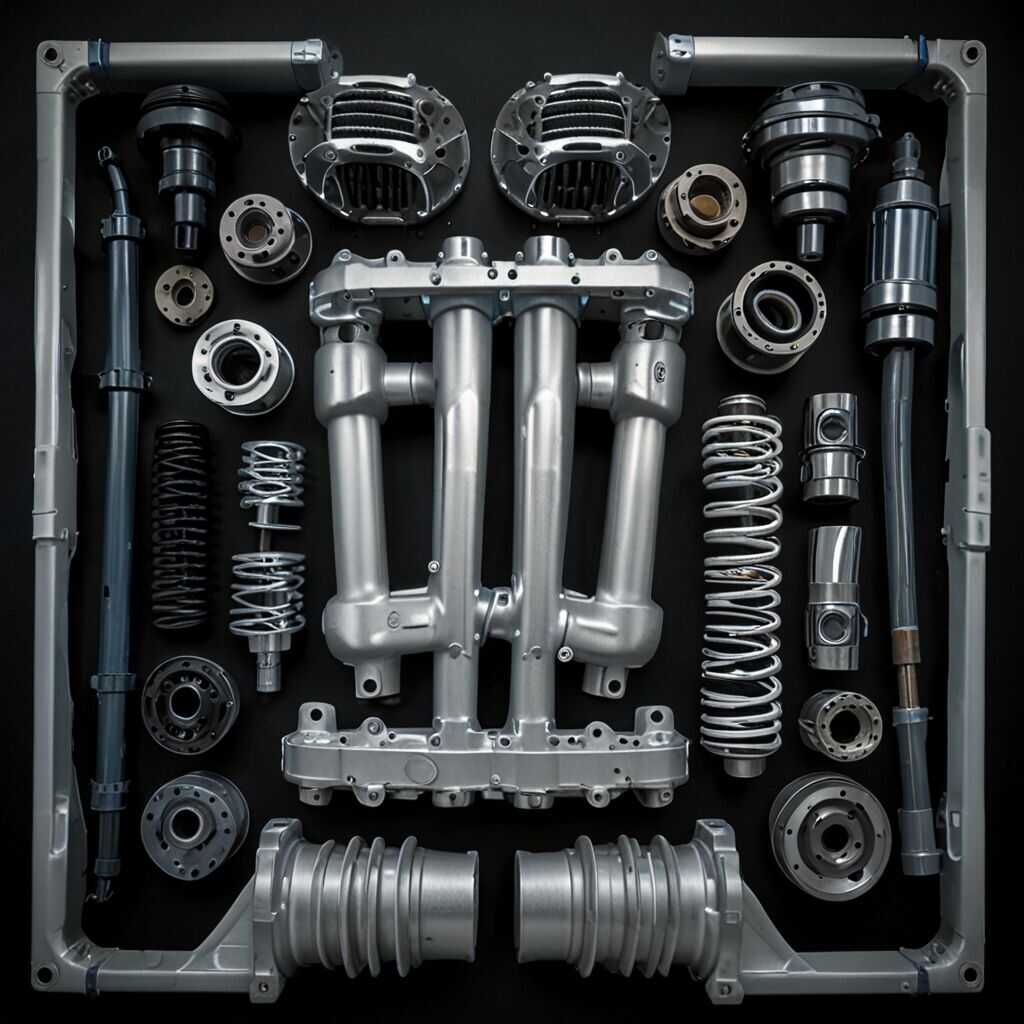
Learning the Techniques for Repairing Connector Pins
Connector pin repair involves techniques like pin removal, cleaning, and reinsertion, and over the years, I have honed these skills to ensure optimal connectivity. Repairing wiring harness connectors can significantly enhance automotive performance by ensuring electricity flows without interruptions. Specific connector pin tools, such as pin insertion tools and crimping tools, are required to achieve high-quality repairs. Common repair challenges include ensuring proper alignment and dealing with corrosion, which can impede the repair process.
What Tools Are Needed for Crimping Connector Pins?
The crimping connector pins process requires precise crimping tools to ensure secure and reliable connectivity. There are numerous crimping tool types available, including ratcheting crimp tools and coaxial cable crimpers. Using the right crimping tool is important to maintain harness connector integrity, which affects overall automotive performance. Effective crimping ensures connector pin reliability by providing a strong electrical connection even under stress and vibration.