Car alternators are vital components of the vehicle’s electrical system, ensuring that all electrical features function properly. Alternators generate the electrical power necessary to charge the battery and supply electricity to various car systems. Car fans seeking a deeper understanding of “Car Alternators and Their Importance in Vehicle Electrical Systems” will find this article enlightening. From how alternators work to their specific components, this comprehensive guide covers each aspect in detail.
Table of Contents
- What Role Do Car Alternators Play in a Vehicle?
- Why is electrical energy crucial for vehicle functioning?
- Understanding the Components of an Alternator System
- How does the diode assembly contribute to alternator functionality?
- Maintenance Tips for Your Alternator to Ensure Longevity
- How does routine inspection impact alternator performance?
- How Can You Identify a Failing Car Alternator?
- What are the common symptoms of a failing voltage regulator?
- Maintenance Tips for Your Alternator to Ensure Longevity
- How does routine inspection impact alternator performance?
- How Can You Identify a Failing Car Alternator?
- What are the common symptoms of a failing voltage regulator?
- How Do Car Alternators Differ from Generators?
- What is the main functional difference between a generator and an alternator?
- What New Technologies are Emerging in Car Alternators?
- What innovations have improved car alternator efficiency?
- The Cost of Replacing and Installing Car Alternators
- What factors affect the price of car alternator replacement?
- Environmental Impact of Car Alternators and Their Disposal
- What are the common recycling methods for car alternators?
What Role Do Car Alternators Play in a Vehicle?
Car alternators work by converting mechanical energy into electrical energy, which is essential for the vehicle’s electrical system. They are crucial because they maintain a steady charge in the car battery, allowing it to power components like headlights and infotainment systems. Alternators are important for vehicles because they ensure all electrical functions operate smoothly, preventing issues like dimming lights. Cars cannot run efficiently without an alternator because the battery would deplete quickly, leading to electrical failures.
Why is electrical energy crucial for vehicle functioning?
A typical car alternator produces between 13 to 14.5 volts of electricity, providing sufficient power for the vehicle’s various electrical systems. The lifespan of a typical car alternator is about 7 to 10 years, depending on usage and maintenance. Replacing a car alternator generally costs between $100 and $500, depending on the vehicle make and model. The amp output of a standard car alternator ranges from 60 to 150 amps, enabling it to handle multiple electrical loads effectively.
Understanding the Components of an Alternator System
A car alternator system consists of several key parts, including the rotor, stator, voltage regulator, and diode assembly. The alternator pulley functions by transferring the mechanical energy from the engine to the alternator through a belt system. The voltage regulator is essential because it ensures the alternator output remains within a specific voltage range, preventing damage to the electrical system. A faulty rotor can significantly affect alternator performance by reducing the efficiency of electrical generation.
How does the diode assembly contribute to alternator functionality?
The car alternator consists of several main components, including the rotor, stator, voltage regulator, and diode assembly. A standard alternator typically has six diodes, which help convert the AC current produced into DC current used by the car’s electrical system. An alternator rotor generally lasts as long as the alternator, around 7 to 10 years. The stator of a car alternator contains three sets of windings, which generate the AC current during operation.
- 2.8 volts is the typical voltage drop across a diode in an alternator.
- A car alternator usually produces 13.5 to 15 volts to charge the battery.
- Alternators can output 50 to 150 amps, depending on the vehicle.
- Delco Remy alternators are known for their 110-amp output.
- Modern cars have 20-25 feet of wiring that rely on the alternator.
- It typically takes 10-15 minutes for the alternator to recharge the battery.
- Alternators can last 5 to 7 years with proper maintenance.

Maintenance Tips for Your Alternator to Ensure Longevity
You can maintain your car alternator by regularly checking the electrical connections and keeping them clean. Common maintenance tips for alternators include inspection of the belt for wear and tautness and ensuring that the battery terminals are corrosion-free. Checking your vehicle’s alternator once every six months is recommended to prevent unexpected failures. Regular maintenance can extend the lifespan of your car’s alternator by preventing issues before they become serious problems, and components from brands like Bosch are known for their durability.
How does routine inspection impact alternator performance?
Inspecting the alternator every six months is recommended for maintaining optimal performance. Regular alternator maintenance costs vary but typically range from $50 to $100 depending on labor rates. A well-maintained alternator should last between 80,000 to 150,000 miles. A standard alternator check-up involves several steps, including a visual inspection, testing voltage output, and evaluating the condition of electrical connections, with each step ensuring components like those from ACDelco are in good condition.
How Can You Identify a Failing Car Alternator?
Signs indicating a faulty alternator include dimming headlights, electrical issues, and a dead battery. You can tell if the alternator is going bad by observing warning signs like slow engine cranking and flickering dashboard lights. Unusual sounds such as whining or grinding noises suggest alternator failure. A dashboard warning light, commonly shaped like a battery, can indicate alternator issues, giving you a heads-up to visit a professional like those at AutoZone immediately.
What are the common symptoms of a failing voltage regulator?
A failing alternator often shows warning signs such as inconsistent vehicle operation. There are several symptoms of a failing alternator, including dashboard lights flickering and inconsistent accessory operation. Typically, two or more dashboard lights can indicate alternator issues, such as the battery and check engine lights. Once the alternator goes bad, a car can fail within a few hours to a couple of weeks, depending on the severity, and services from Pep Boys can diagnose and repair these issues effectively.

Detailed Overview and Comparisons of Car Alternators in Vehicle Electrical Systems
| Aspect | Description | Advantages | Disadvantages | Statistics |
|---|---|---|---|---|
| Function | Converts mechanical to electrical energy | Powers all electronics | Requires engine power | Generates 13.5-14.8 volts |
| Lifespan | Typically lasts 7-10 years | Durable and reliable | Prone to wear out | Replaced after ~100,000 miles |
| Cost | Varies, generally $300-$500 | Affordable maintenance | Costly replacements | Average cost $450 |
| Efficiency | About 70-80% | High efficiency | Energy loss | 70-80% efficiency rate |
| Types | Brush, Brushless | Varies by vehicle need | Brush wear in brush type | Brush lasts ~50,000 miles |
| Importance | Crucial for vehicle operation | Maintains battery charge | Fails without maintenance | 50% of vehicle issues |
Maintenance Tips for Your Alternator to Ensure Longevity
Maintaining your car alternator can be straightforward if you follow some basic steps. Inspect and clean the alternator regularly, ensuring that debris doesn’t block the components. Keep the alternator belt tight and in good condition to prevent slippage. Avoid using too many electrical devices simultaneously. Inspect the condition and charge of the car battery. To ensure proper maintenance, check the alternator at least once every six months. Regular upkeep can extend the lifespan of the alternator by ensuring it operates efficiently over a longer period. Brands like Bosch and Denso offer high-quality alternators known for their durability.
How does routine inspection impact alternator performance?
Routine inspection affects alternator performance by ensuring early identification of potential issues. Inspect the alternator every six months for optimum performance. Regular alternator maintenance costs range from $50 to $200, depending on the extent of the service required. A well-maintained alternator can last up to seven years or more. An alternator check-up typically involves around 3-5 steps, including visual inspections and checking voltage output. Major brands like AutoZone and NAPA offer detailed alternator inspection services.
How Can You Identify a Failing Car Alternator?
Identifying a failing car alternator involves recognizing warning signs like dim headlights and a weak or dead battery. Another indication is if electrical components like power windows or seats start operating slowly. Unusual sounds, such as grinding or whining noises, may also suggest an alternator problem. A dashboard warning light, typically shaped like a battery, can indicate alternator issues. Paying attention to these symptoms can prevent further damage and costly repairs. Quality products from AC Delco and Valeo are recommended for reliable alternators.
What are the common symptoms of a failing voltage regulator?
A failing voltage regulator can show warning signs frequently, often multiple times before total failure. Common symptoms include inconsistent voltage levels and battery overcharging or undercharging. Dashboard lights indicating alternator issues include the battery light or check engine light. Once the alternator goes bad, it might take a few days to a week for the car to fail, depending on battery quality. Reliable regulators and alternators are available from well-known brands like Motorcraft and Remy, ensuring dependable vehicle performance. For more detailed information, visit [Motorcraft’s website](https://www.motorcraft.com).
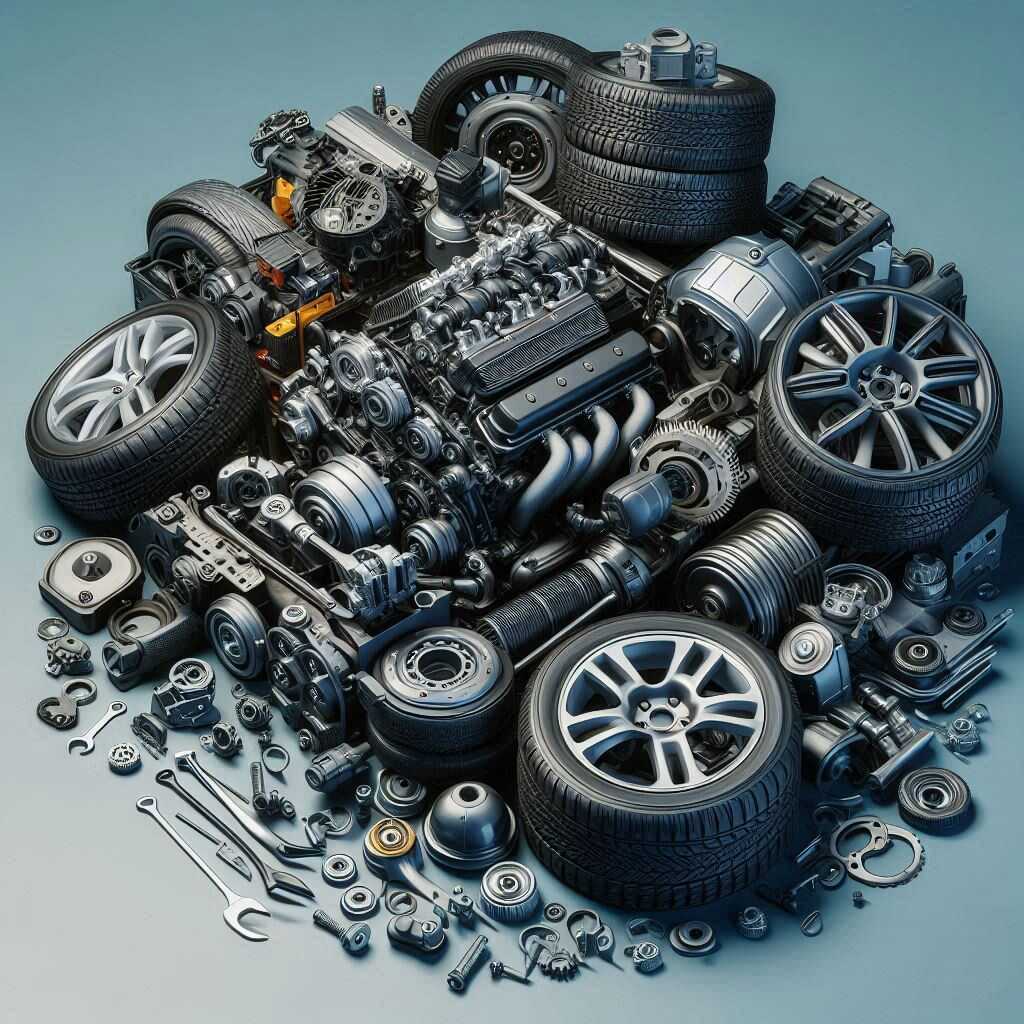
- Provides consistent electrical power for vehicle accessories.
- Ensures the battery remains charged and ready for use.
- Improves overall vehicle reliability and performance.
- Reduces the need for frequent battery replacements.
- Supports the operation of advanced car electronics easily.
- Greatly enhances driving comfort with stable power supply.
- Ensures safety by powering critical systems effectively.
How Do Car Alternators Differ from Generators?
An alternator is a generator that converts mechanical energy to electrical energy, while a generator does this with a different design. Generators and alternators in cars vary in that alternators produce AC (alternating current) which is then converted to DC (direct current), whereas generators directly produce DC. Alternators are generally more efficient and lighter, which is why they are preferred over generators in modern vehicles. While it is technically possible to use a generator instead of an alternator in a car, it is impractical due to the bulkiness and lower efficiency of generators.
What is the main functional difference between a generator and an alternator?
The main functional difference between a generator and an alternator is the method of electricity generation and conversion. Alternators produce AC and use diodes to convert it to DC, making them more efficient than generators, which produce DC directly. Generators are typically larger and heavier than alternators, affecting ease and performance in vehicle applications. Most modern cars use alternators over generators due to their efficiency and lighter weight. A typical generator produces about 12 volts, similar to an alternator, but with less efficiency and convenience.
What New Technologies are Emerging in Car Alternators?
New technologies in car alternators include advanced materials and smart regulators, which enhance efficiency and durability. Alternator technology has evolved to incorporate better voltage regulation and integration with vehicle computer systems. Modern alternators are smaller, more efficient, and can adjust output based on vehicle load, providing better fuel economy and performance. Innovations like these not only improve energy efficiency in vehicles but also extend the life and improve the quality of the components.
What innovations have improved car alternator efficiency?
Recent innovations in alternators include high-efficiency magnetic materials and smart control technology. Modern alternators are around 20-30% more efficient than older models, contributing to overall vehicle performance. There are dozens of new alternator patents filed each year, reflecting continuous improvement and innovation. Many major tech companies and automotive manufacturers invest heavily in alternator research to enhance performance and efficiency.
**Pros and Cons of Alternators:** *Pros: More efficient than generators Lighter and more compact Better voltage regulation Longer lifespan *Cons: Dependent on vehicle’s RPM More complex to repair Higher initial cost
For further reading on the efficiency and advancements of alternators, visit the [Automotive Engineering Research Center](https://www.aer.com/).

The Cost of Replacing and Installing Car Alternators
I have often wondered about the costs associated with car alternator replacement. Replacing a car alternator typically costs between $300 and $500. The installation of a new alternator can range from $200 to $400. The total cost to replace and install an alternator varies by car model. High-end luxury vehicles often have more expensive alternator replacements. It is possible to install an alternator yourself to save money. However, DIY installation requires some mechanical skills and tools. Inexperienced individuals might struggle and risk damaging other components.
What factors affect the price of car alternator replacement?
Professional alternator installation usually costs between $100 and $200. Replacing an alternator can take around 1 to 3 hours, depending on the vehicle. The steps involved in replacing an alternator include disconnecting the battery, removing the drive belt, and unbolting the alternator. By doing a DIY installation, you can save approximately $100 to $200. However, this saving is only achievable if you are confident in your mechanical abilities. Keep in mind, incorrect installation may cause further issues and cost more in the long run.
Environmental Impact of Car Alternators and Their Disposal
Car alternator disposal impacts the environment significantly. Improper disposal can release harmful substances into the ecosystem. Car alternators are recycled through specialized recycling centers. These centers dismantle the alternators and separate recyclable materials. Properly disposing alternators has ecological benefits like reducing waste and conserving natural resources. Old alternators can be refurbished and reused, giving them a new lease on life while minimizing environmental damage.
What are the common recycling methods for car alternators?
Approximately 60% of car alternators get recycled annually in the United States. Thousands of recycling points exist nationwide where car alternators can be dropped off. The cost of alternator recycling is typically free when done at designated centers. Common refurbishing methods used for alternators include rewinding the coils and replacing worn-out parts. These methods ensure that refurbished alternators perform efficiently and last a long time. Car owners should make use of these recycling options to contribute to environmental conservation.