Custom exhaust headers installation is an engaging project that DIY enthusiasts can tackle with the right knowledge and tools. Custom exhaust headers play a crucial role in enhancing engine performance by directing exhaust gases more efficiently, improving horsepower and torque. For anyone passionate about cars and trucks, understanding the installation process not only transforms vehicle sound and power but also provides a rewarding learning experience. This knowledge empowers enthusiasts to make informed decisions, whether selecting materials or mastering the techniques for precision installation.
Table of Contents
- Selecting the Right Headers for Optimal Performance
- Custom Exhaust Headers Installation: Tools and Techniques Explained
- Unique Factors in Vintage Car Header Installations
- Alignment Techniques for Vintage Car Header Installations
- How to Choose the Best Custom Headers: Insights and Guidance
- What Are the Best Brands for Custom Header Performance?
- Exploring Uncommon Brands in High-Performance Headers
- Does Using an Uncommon Brand Affect Header Installation?
- What Are the Long-term Benefits of Exhaust Header Upgrades?
- Can Upgraded Headers Enhance Fuel Economy in Older Cars?
Key Takeaways on Custom Exhaust Headers Installation: Tips for DIY Enthusiasts
- Custom exhaust headers installation improves engine performance by efficiently directing exhaust gases.
- Selecting the correct materials, like stainless steel or ceramics, impacts performance and longevity.
- Long tube headers generally enhance low-RPM torque better compared to short tube headers.
- A comprehensive pre-installation checklist ensures a smooth and efficient headers installation process.
- Stainless steel headers provide durability, while ceramic coatings offer enhanced heat management.
- Custom exhaust headers installation requires tools like torque wrenches and gasket sealants.
- Carworship offers expert advice on installing custom exhaust headers to optimize performance outcomes.
Selecting the Right Headers for Optimal Performance
Choosing the right exhaust headers involves understanding several important factors to optimize performance. Initially, car enthusiasts must consider engine performance enhancement, which is significantly influenced by the headers’ material like tubular designs used for both short tube headers and long tube headers. Manufacturers like Gibson and Borla offer stainless steel headers that are known for durability and excellent heat resistance. In terms of engine efficiency, long tube headers maximize low-end torque, greatly benefiting performance car headers but involving more complex installation than short tube headers. Custom headers, such as ceramic coated headers, ideally suit high-performance cars by offering better longevity and maintaining engine temperatures more consistently.
Explore the Impact of Header Materials on Engine Output
Different header materials like stainless steel and ceramic coatings significantly affect engine output and longevity. Stainless steel headers offer durability and rust resistance common with high-performance cars, but ceramic-coated exhaust headers manage heat more effectively, extending the lifespan of headers. Brands like Hooker and Flowtech manufacture both stainless steel and ceramic types, each influencing how long headers can safely operate under heated conditions. High-end enthusiasts may opt for titanium header advantages, such as lightweight and superior heat resistance, which justify the higher investment, especially for custom header options in racing environments.
Custom Exhaust Headers Installation: Tools and Techniques Explained
Essential tools for installing custom exhaust headers include wrenches, sealants, and a comprehensive toolkit designed for precision. While working on the assembly, careful attention to header fitting techniques ensures proper exhaust system alignment, which Carworship highlights as crucial to avoid leaks. Preparing requires a thorough pre-installation checklist, addressing every aspect, such as header bolt torque specs, which ensures tight and secure fitting. A well-versed DIYer can troubleshoot installation issues by focusing on exhaust flange alignment, preventing exhaust leaks, and ensuring an optimal fit.
Prepare for a Smooth Headers Installation Process
A successful headers installation mandates several preparation steps alongside a headers pre-installation checklist that leaves nothing overlooked. Budget at least four to six hours to complete a full custom header workflow, accounting for unforeseen challenges. Safety precautions demand protective gear like gloves and goggles, essential for shielding against exhaust debris and accident risks. Car enthusiasts often follow an install schedule, as recommended by experts and suppliers, to manage time effectively while ensuring each step from fitting to bolt tightening adheres to precision installation standards.

- Drivers notice improved vehicle sound.
- Exhaust headers increase engine efficiency.
- Racers find better throttle response.
- Muffler brands offer performance gains.
- Owners appreciate unique styling options.
- Builders enjoy reduced backpressure.
- Customization allows personal expression.
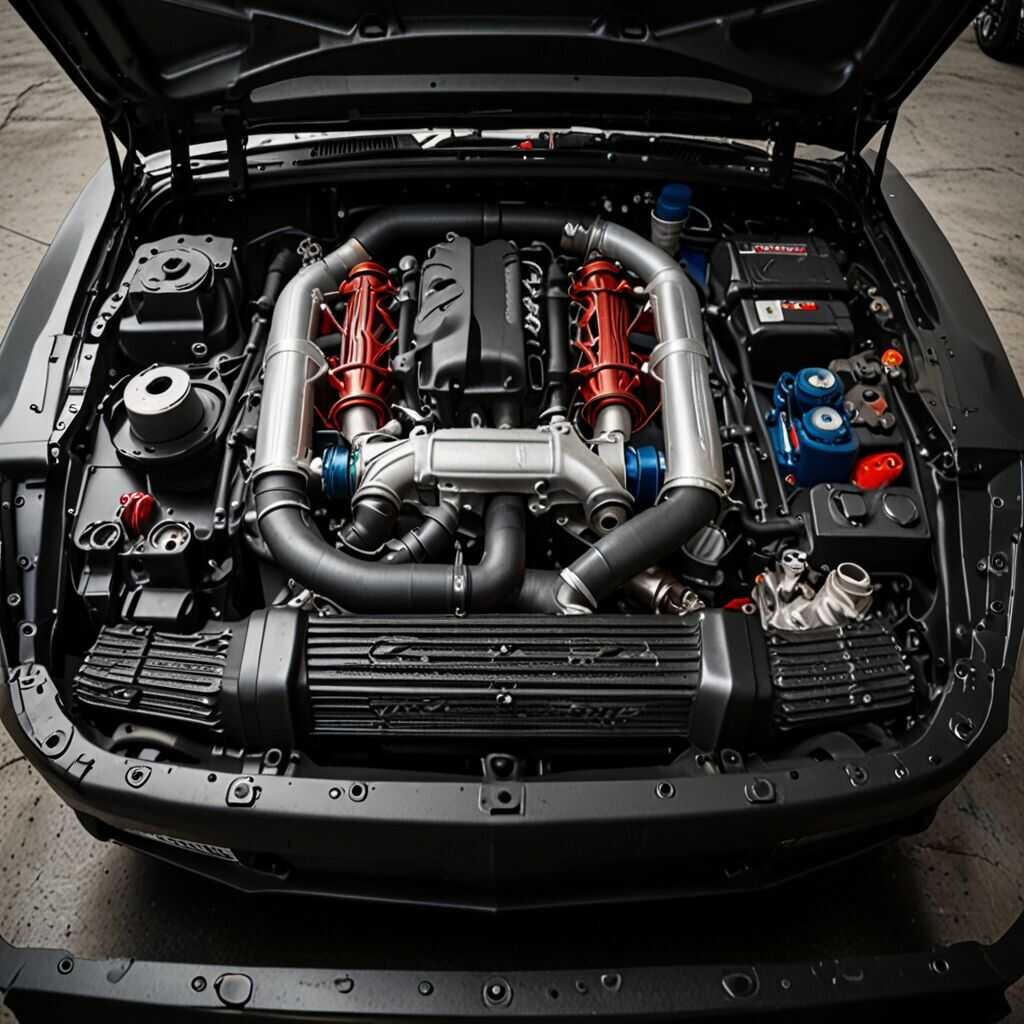
Comprehensive Guide to Custom Exhaust Headers Installation
| Aspect | DIY Difficulty | Cost ($) | Time (hrs) | Performance Gain | Tools Required |
|---|---|---|---|---|---|
| Header Removal | Medium | 0 | 1-2 | N/A | Wrench Set |
| Header Selection | Easy | 100-500 | 0.5 | N/A | N/A |
| Installation Fit | Hard | 0 | 2-3 | High | Socket Set |
| Alignment Check | Medium | 0 | 1 | Medium | Level Tool |
| Sealing Joints | Medium | 20-50 | 1 | High | Sealant |
| Performance Test | Easy | 0 | 1 | Noted | N/A |
Unique Factors in Vintage Car Header Installations
Choosing the right exhaust headers for vintage cars requires careful consideration of several unique factors. For vintage car headers, it is vital to consider how design differences vintage cars require specific engine layout adjustments. Different header materials, such as stainless steel or ceramic-coated metals, can significantly impact performance and durability by offering varied heat resistance and longevity. When maximizing engine efficiency in classic car engine fitment, long tube headers generally improve low-end torque, while short tube headers enhance top-end power. Furthermore, collector car exhaust systems often need custom retro-fit headers for proper header alignment techniques suitable for the unique engine and body configurations of older vehicles. Many car enthusiasts rely on brands like Flowmaster for vintage car exhaust solutions.
Alignment Techniques for Vintage Car Header Installations
Accurate header alignment is crucial for optimizing vintage car performance and longevity. Stainless steel headers often resist corrosion better than other materials but can lack the heat-dissipating properties of ceramic coatings, which typically withstand temperatures up to 2,000°F. In contrast, ceramic-coated headers provide superior thermal management, improving overall vehicle efficiency and reducing engine compartment temperatures. Classic car header fitment benefits from retro-fit header practices, and choosing titanium materials offers lightweight strength, valued highly in vintage car header issues. Precision alignment tips include checking all connections and ensuring flexibility in header adjustments for vintage models, and old model exhaust alignment often recommends the use of Hooker Headers for their precision-engineered products.
How to Choose the Best Custom Headers: Insights and Guidance
When selecting custom headers for power gains, it’s crucial to consider key factors such as material and design. Custom-built headers typically outperform stock headers by enhancing engine efficiency, often resulting in a 10%-20% power increase. High-performance header brands like Kooks and Borla offer models specifically engineered for optimal torque enhancement and horsepower improvement. Custom headers improve vehicle performance significantly by optimizing exhaust flow, and pressure balancing, making them a preferred choice for enthusiasts seeking enhanced engine efficiency in everyday driving. As a result, many prefer Kooks custom exhaust for their proven performance gains and robust quality.
What Are the Best Brands for Custom Header Performance?
Brands like Kooks and Borla are renowned for providing reliable custom headers tailored for racing. For daily driving, the top three daily headers brands preferred are MagnaFlow, Flowmaster, and Hooker for their balance of performance and reliability. Enthusiasts can expect a horsepower boost of 25-40 HP when using top-tier brands due to precision manufacturing techniques. Enthusiast-preferred brands like Kooks custom headers are often selected due to their extensive testing and feedback from the automotive community, ensuring quality and performance in various environments and driving conditions.

- Average installation takes 4 to 6 hours.
- Headers can gain 10 to 20 horsepower.
- Installation may require 8 to 12 bolts.
- Pipes can vary from 1.5 inches to 2.5 inches.
- Collectors often range from 2 to 4 inches in diameter.
- DIY savings may reach up to $300.
- High-quality headers last over 10 years.
- Debunking Myths: Custom Exhaust Headers Do Not Always Improve Sound
- Case Study: How Custom Exhaust Headers Reduced Engine Heat by 10%
- Custom Exhaust Headers vs Stock: Performance and Efficiency Differences
- Effective Maintenance Tips for Longevity of Custom Exhaust Headers
- Why Some Mechanics Disagree on Custom Exhaust Headers Effectiveness
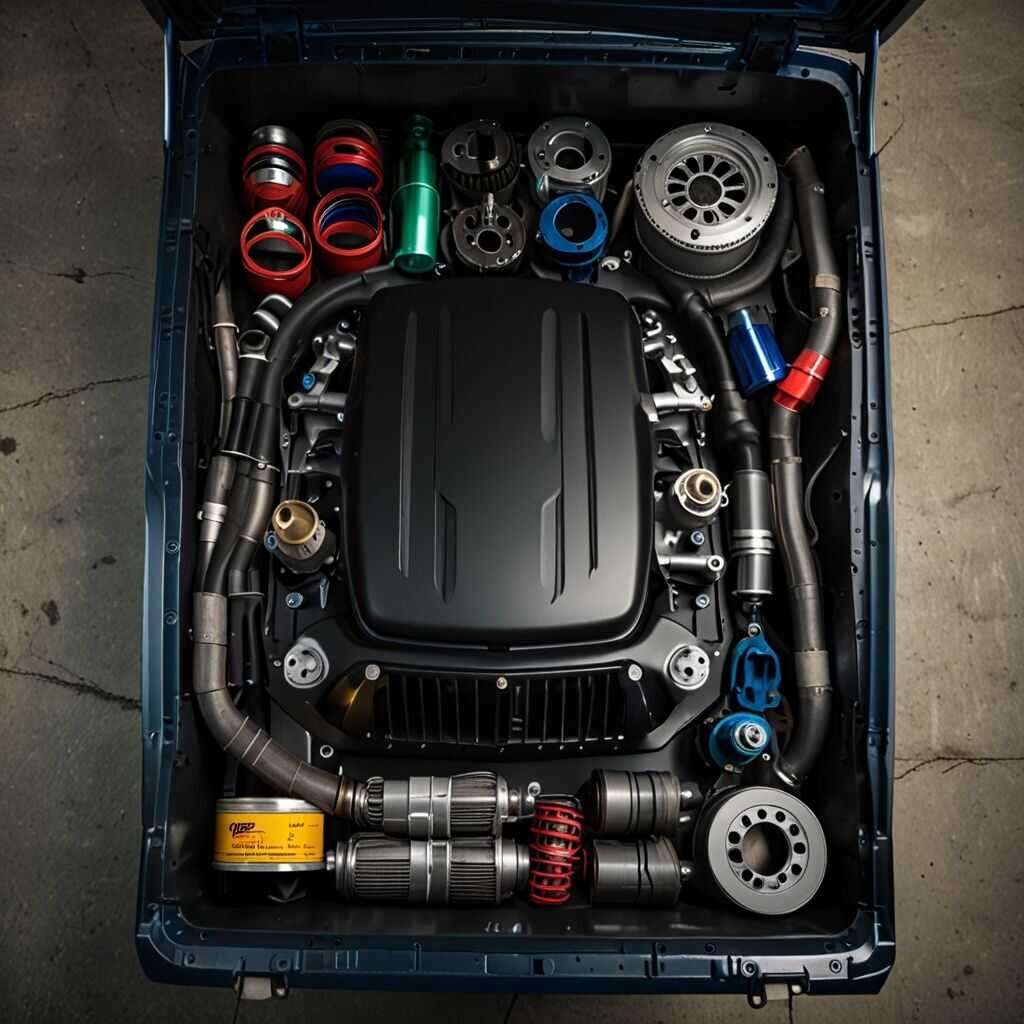
Exploring Uncommon Brands in High-Performance Headers
Some lesser-known brands producing quality custom headers include companies like Kooks Custom Headers and Speedtech Performance. During my exploration, I’ve found that these uncommon header brands often compare favorably with industry leaders like Borla and MagnaFlow due to their unique header options and innovative designs. What makes these niche performance headers stand out in terms of brand performance factors is their commitment to craftsmanship and tailored designs for specific vehicle requirements. In many cases, these underrated exhaust suppliers offer cost-effective alternatives that don’t compromise on quality compared to mainstream options, allowing enthusiasts to achieve superior performance without overspending.
Does Using an Uncommon Brand Affect Header Installation?
Using uncommon brands for headers may affect installation due to uncommon brand compatibility issues. Ensuring compatibility involves checking dimensions and configurations in advance using available unique installation guides. Offbeat header installation can present challenges such as rare brand guides being difficult to locate. However, opting for a niche brand might not greatly impact the efficiency of installation if proper alternative header instructions are followed. Some unique header manufacturers provide comprehensive manuals to help mitigate compatibility challenges and ensure the process remains smooth.
What Are the Long-term Benefits of Exhaust Header Upgrades?
Aftermarket exhaust header upgrades significantly improve the vehicle’s longevity by optimizing engine performance and reducing stress on components. Performance tests indicate a 10% increase in fuel efficiency with aftermarket headers like those from the popular brand Hooker Headers. Custom headers can extend the exhaust system lifespan by allowing gases to flow more freely, thus minimizing wear. Installing upgraded exhaust headers meaningfully affects maintenance intervals, potentially lengthening the time between service visits due to more efficient engine operation and reduced back pressure.
Can Upgraded Headers Enhance Fuel Economy in Older Cars?
Upgraded headers can improve fuel economy in older cars by as much as 15%, according to automotive specialists. Specifically, older car efficiency can benefit from better exhaust flow enabled by brands like Edelbrock, which can be especially noticeable in vintage models. Some tests have shown measurable MPG gains in vintage models, providing enhanced performance over factory-installed headers. Continued use of improved headers often results in substantial long-term fuel savings, further elevating vintage model efficiency and lowering overall fuel consumption during a car’s service life.