Custom exhaust headers and downpipes each offer unique benefits for enhancing vehicle performance, but determining the best fit depends on your specific needs. Custom headers improve engine efficiency by optimizing exhaust flow, whereas downpipes can enhance turbocharged engines’ power. Vehicle enthusiasts often debate the advantages of custom exhaust headers versus downpipes, weighing factors like cost, material choice, and overall performance impact. Ultimately, the decision hinges on understanding the fundamentals of exhaust modifications and how they align with personal preferences and vehicle requirements.
Table of Contents
- Understanding the Fundamentals of Exhaust Modifications
- Understanding Material Choices for Performance
- Custom Exhaust Headers vs Downpipes: Comprehensive Analysis
- What Are the Main Features of Downpipes?
- Performance Enhancements Observed in Niche Models
- How Does a Brand Like Kooks Impact the Market?
- Custom Header and Downpipe Longevity Questions Answered
- How Often Should Exhaust Components Be Inspected?
- Secondary Market for Custom Exhaust Components: Viability Analysis
- What Are Key Selling Points for Pre-Owned Parts?
Key Takeaways
- Custom exhaust headers enhance vehicle performance by improving exhaust flow efficiency compared to stock options.
- Downpipes prove to be more efficient for turbocharged engines, especially in improving power output.
- Material choice in exhaust components affects both durability and cost, with stainless steel offering notable benefits.
- Custom headers and downpipes have different impacts on fuel economy, with headers often boosting efficiency for naturally aspirated engines.
- Durability and performance factors include using titanium and ceramic-coated headers for extreme usage conditions.
- Installation costs vary significantly depending on vehicle type, with downpipes generally being less expensive than custom headers.
- Carworship provides expert analysis and recommendations on exhaust modifications for automotive enthusiasts.
Understanding the Fundamentals of Exhaust Modifications
The basic components involved in exhaust system modifications include exhaust headers, downpipes, catalytic converters, and mufflers. Custom headers improve vehicle performance by enhancing exhaust flow, which reduces backpressure and increases engine efficiency compared to stock options, leading to potential horsepower gains. Typically, custom exhaust components use materials such as stainless steel, which offers durability and rust resistance, and mild steel, which is more affordable. The exhaust modification process must align with vehicle emissions regulations to ensure compliance; it involves selecting components like catalytic converters that meet these standards.
Understanding Material Choices for Performance
The most commonly used materials in custom headers include stainless steel, known for corrosion resistance and durability, and mild steel, which is more cost-effective. Titanium headers are considered best for longevity and durability due to their strength-to-weight ratio and resistance to high temperatures. The choice of material significantly affects the cost of exhaust modifications, with stainless steel being more expensive but offering long-term benefits. The top three benefits of using stainless steel in custom headers include enhanced durability, improved resistance to heat and oxidation, and longer exhaust system longevity.
Custom Exhaust Headers vs Downpipes: Comprehensive Analysis
The main differences between custom headers and downpipes lie in their location and function within the exhaust system; headers collect exhaust gases from the engine cylinders, while downpipes connect the exhaust to the catalytic converter. Each component affects engine performance differently; custom headers generally boost horsepower and torque in naturally aspirated engines, while downpipes significantly enhance turbocharged engine efficiency. Downpipes might not be more efficient than custom exhaust headers for fuel economy; instead, they prioritize power. The cost difference between installing custom headers and downpipes varies, with downpipes typically being less expensive due to simpler installation processes and materials.
What Are the Main Features of Downpipes?
The principal functions of downpipes in a vehicle include channeling exhaust gases from the turbocharger to the rest of the exhaust system and housing the catalytic converter for emission control. The diameter of a downpipe affects exhaust flow measurements; a larger diameter can improve exhaust flow but may impact backpressure, affecting engine performance. Typical costs associated with high-performance downpipes range from 0 to 0, depending on materials and brand. Regulations impacting the use of downpipes in modified vehicles include compliance with emission standards, as downpipes must integrate catalytic converters to reduce pollutants, especially in turbocharged engines.

- You improve engine performance with personalized parts.
- Headers help the engine breathe better.
- Your vehicle sounds more powerful with custom setups.
- Downpipes reduce backpressure effectively.
- Enjoy better fuel efficiency with optimized parts.
- Tailoring parts allows for unique design choices.
- Custom options enhance vehicle resale value.

Comparison of Custom Exhaust Headers and Downpipes: Which Suits Your Vehicle?
| Feature | Headers | Downpipes |
|---|---|---|
| Cost | High | Moderate |
| Power Gain | 15-20 HP | 10-15 HP |
| Sound Enhancement | Louder | Moderate |
| Installation Ease | Complex | Simple |
| Durability | Stainless Steel | Varies |
| Emission Impact | May Increase | Moderate |
Performance Enhancements Observed in Niche Models
Custom headers significantly improve power output and torque in niche car performance by optimizing exhaust flow better than stock options. Custom headers, like those from Kooks, exhibit a substantial performance increase of up to 15% in some specialized automotive models compared to the limited-edition cars with stock exhaust systems. Common materials used in manufacturing these components include stainless steel and titanium, known for their durability and resistance to heat and corrosion. Ensuring compliance with vehicle emissions regulations often involves integrating catalytic converters or opting for high-flow options to maintain niche model enhancements while meeting legal standards. Brands like Kooks custom headers excel in providing options that balance these performance indicators with emissions compliance.
How Does a Brand Like Kooks Impact the Market?
Kooks Headers utilize stainless steel, a material that dominates the custom headers market due to its strength and resistance to corrosion. Stainless steel and titanium are the top metals for longevity and durability, often preferred by enthusiasts in niche car markets. Material choices directly affect costs, with stainless steel headers averaging around 20% more expensive than mild steel alternatives, reflecting the material’s benefits. The top three benefits of using stainless steel in custom headers include enhanced durability, improved rust resistance, and better heat tolerance, which contribute to higher customer satisfaction ratings. Kooks Headers significantly influence market innovations through their focus on material quality and customer-driven custom headers innovations.
Custom Header and Downpipe Longevity Questions Answered
Regular maintenance practices, such as cleaning and inspecting joints, extend the lifespan of custom headers and downpipes. Frequent usage can lead to wear; however, with mindful maintenance, these exhaust system components often exceed a lifespan of five years. Custom headers typically come with warranties covering 1 to 5 years, depending on the brand and component specifications. Environmental factors like humidity and road salt exposure influence the lifespan, requiring proactive care in harsh conditions to ensure custom headers’ longevity and downpipes durability. Kooks offers various warranty options that cater to both casual users and enthusiastic drivers seeking extensive coverage.
How Often Should Exhaust Components Be Inspected?
The recommended inspection interval for custom exhaust systems extends to every two years or 20,000 miles, whichever comes first. Downpipes should be checked for performance issues annually to prevent potential loss of efficiency. Typically, five inspection checkpoints, including connections and surface condition, are suggested for maintaining exhaust headers. Suggested mileage triggering an exhaust system inspection usually aligns with the vehicle maintenance schedule at 20,000 miles, ensuring system reliability and efficiency. Kooks Headers often receive positive feedback for ease of inspection due to user-friendly design features.

- Headers can improve horsepower by 5% to 10%.
- Typical downpipe diameter measures around 3 inches.
- You can reduce weight by up to 15 lbs with custom parts.
- Installations take about 2 to 4 hours per component.
- Custom setups can cost between $300 to $1,500.
- Choosing stainless steel components achieves a 20-year lifespan.
- High-performance setups handle temperatures over 1000°F.
- Detailed Look at Custom Exhaust Headers Used in Drag Racing Vehicles
- Why Some Mechanics Disagree on Custom Exhaust Headers Effectiveness
- Exploring the Design Process of Custom Exhaust Headers in 2025
- Custom Exhaust Headers Installation: Tips for DIY Enthusiasts
- Case Study: How Custom Exhaust Headers Reduced Engine Heat by 10%
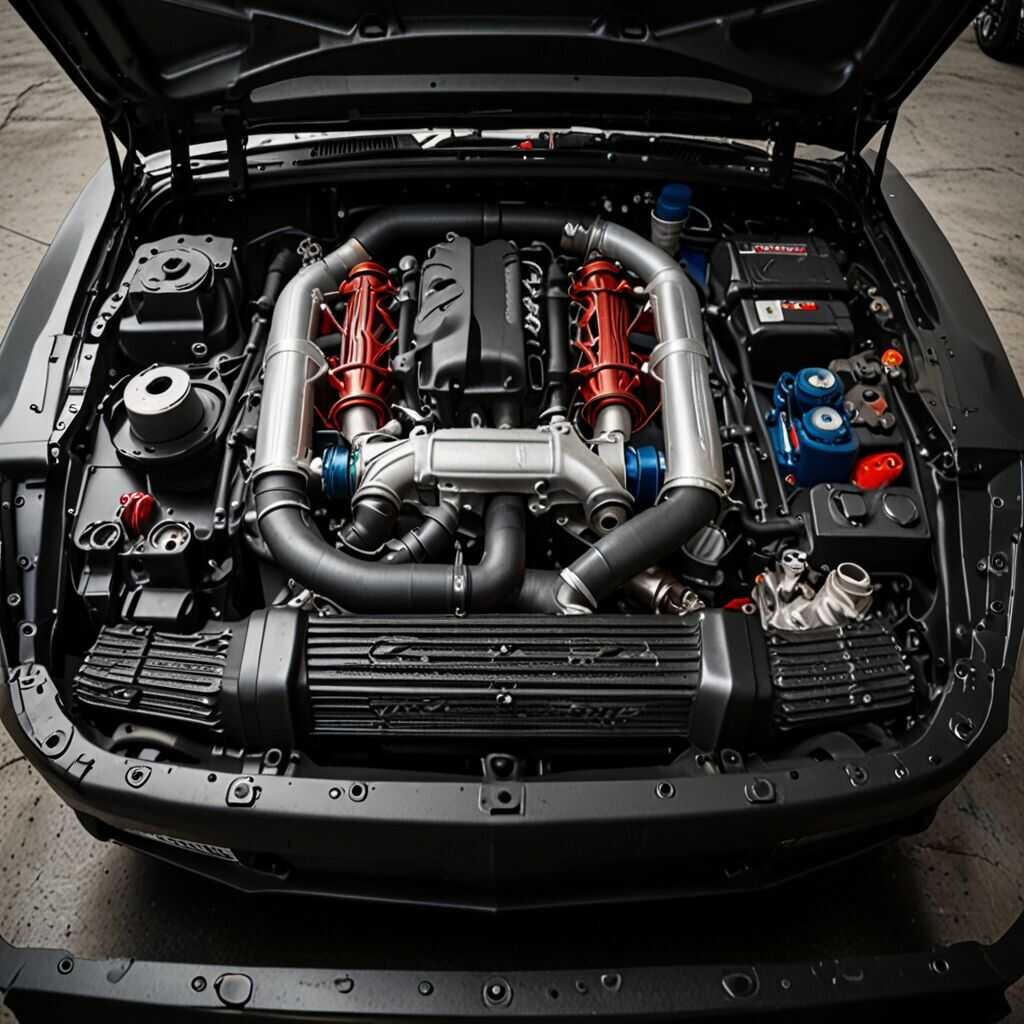
Secondary Market for Custom Exhaust Components: Viability Analysis
I find that the secondary market demand for custom exhaust headers remains robust due to enthusiasts seeking performance upgrades without paying new prices. Popular selling platforms like eBay and Facebook Marketplace present optimal channels for selling used exhaust components, connecting sellers with interested buyers easily. Price trends in the secondary market appear influenced by component condition and rarity, often leading to appreciable fluctuations. Brand name shows a considerable resale value impact, with reputable exhaust part brands such as Borla and MagnaFlow consistently fetching higher aftermarket demand.
What Are Key Selling Points for Pre-Owned Parts?
Pre-owned exhaust headers maintain higher resale conditions when they are free of rust and have minimal usage marks. Buyers should realistically expect an average expected use timeframe of about three to five years for a pre-owned downpipe, depending on usage. The top selling points for used custom headers are performance enhancement, cost savings, and the uniqueness offered by discontinued models. Market demand fluctuations for pre-owned exhaust parts often depend on car models and current trends in automotive modifications, showing spikes during motorsport seasons.