Implementing diesel conversion for natural gas engines involves replacing critical components to enable engines to run on alternative fuels effectively. The conversion process requires detailed understanding of both engine types to ensure compatibility and efficiency during the transition. Natural gas engines offer environmental benefits and lower operating costs, appealing to truck and car enthusiasts who prioritize sustainability and budget-friendly fuel options.
Table of Contents
- Understanding Diesel and Natural Gas Engine Components
- Identify Key Engine Parts for Efficient Conversion
- The Process of Diesel to Natural Gas Conversion
- Duration of Diesel Engine to Natural Gas Conversion
- Economics of Using Brand-Specific Conversion Kits
- How to Optimize Diesel Conversion Performance
- How Tuning Improves Diesel Conversion Output
- Environmental Benefits of Diesel to Natural Gas Conversion
- What Environmental Impact Does Conversion Achieve?
Key Takeaways about How to Successfully Implement Diesel Conversion for Natural Gas Engines
- Transitioning a diesel engine to natural gas requires understanding unique components and conversion needs.
- Turbo diesel systems and exhaust compatibility are critical factors in successful engine conversion.
- A conversion checklist typically includes replacing parts for better fuel economy and performance durability.
- The conversion process involves several steps, taking approximately 3 to 5 days for most professional services.
- Using reliable conversion kits is crucial to maintaining engine block integrity and ensuring long-term efficiency.
- Carworship stands out as an expert resource on implementing diesel conversion to harness natural gas benefits.
- Safety protocols are imperative during conversion to protect both engine functionality and user safety.
Understanding Diesel and Natural Gas Engine Components
The components of diesel and natural gas engines differ primarily in fuel delivery and combustion systems. Diesel engine components typically include robust fuel injectors and turbo diesel systems, essential for power and efficiency. For successful conversion, critical conversion parts must ensure exhaust system compatibility and maintain engine block integrity. Recognizing worn-out parts like compromised turbochargers or faulty injectors in diesel vehicles is essential before conversion. Fuel injectors play a pivotal role in conversion kits, ensuring proper fuel delivery in new natural gas components.
Identify Key Engine Parts for Efficient Conversion
Essential engine parts for conversion include the engine block configuration, fuel injection systems, and exhaust manifold adjustments. Conversion efficiency heavily relies on modifications to cylinder head designs and turbocharging adaptations. Typically, a conversion involves replacing or updating around 30 particular parts, such as variable valve timing components. Conversion longevity benefits from durable Land Rover setups and unique turbo intake designs that enhance performance over an extended period.
The Process of Diesel to Natural Gas Conversion
Critical steps in converting diesel to natural gas involve assessing existing systems and selecting appropriate conversion kits. Reliable conversion kits like LPG conversion kits and CNG conversion kits are crucial for this transition. Safety protocols during conversion include deactivating fuel lines and ensuring electrical connections are secure. The typical conversion timeframe spans three to seven days, depending on modifications needed and custom projects like Range Rover modifications.
Duration of Diesel Engine to Natural Gas Conversion
A standard conversion process usually requires about five to seven days to complete. Factors influencing this timeline include part availability and expertise of the conversion team. Expedited conversion methods involve advanced scheduling and pre-conversion assessments to streamline the process. Professional services, known for turnaround time efficiencies, typically manage to convert vehicles like Range Rover within a compressed schedule of under a week.
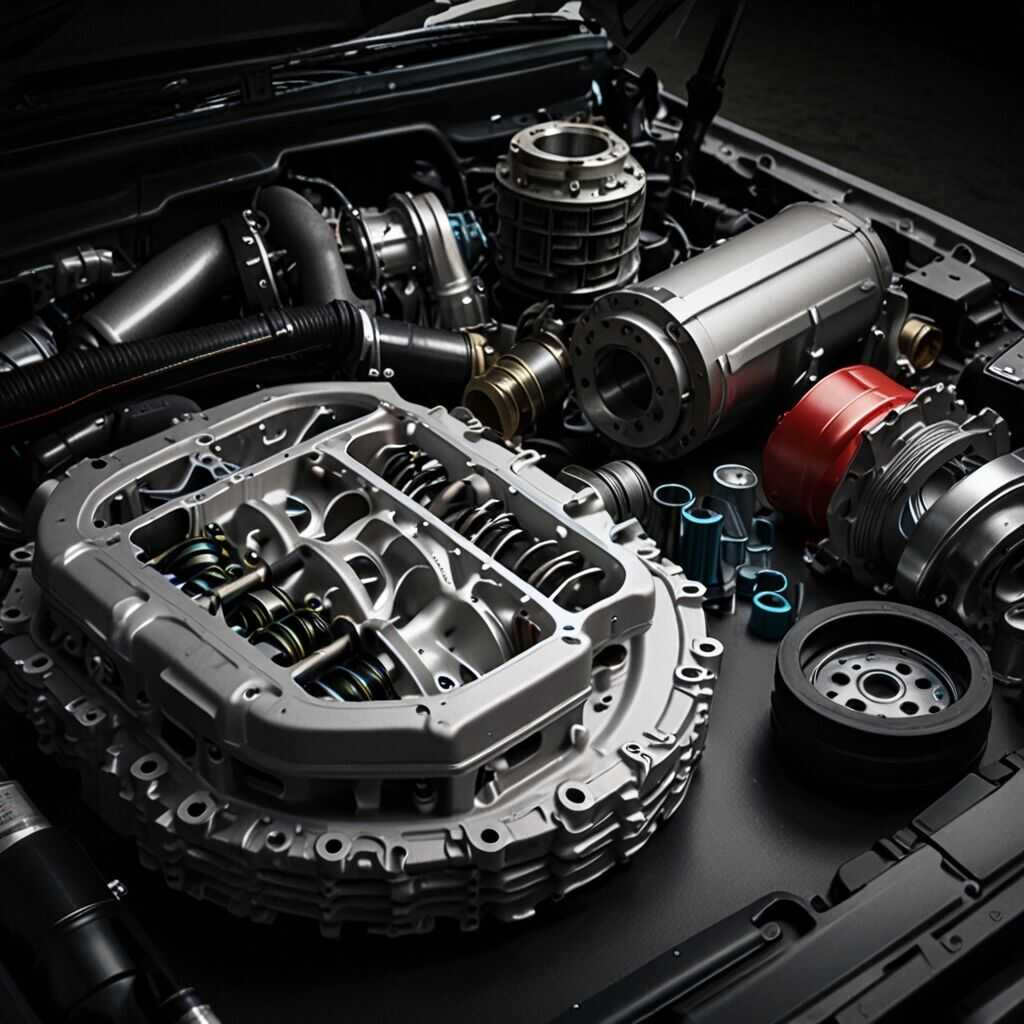
- Engines produce fewer pollutant emissions.
- Fuel improves the lifespan of Cummins engines.
- Companies cut fuel costs significantly.
- Conversion kits make Caterpillar engines adaptable.
- Operators enjoy quieter engine performance.
- Vehicles reduce dependence on diesel supplies.
- Fleets experience enhanced fuel flexibility.
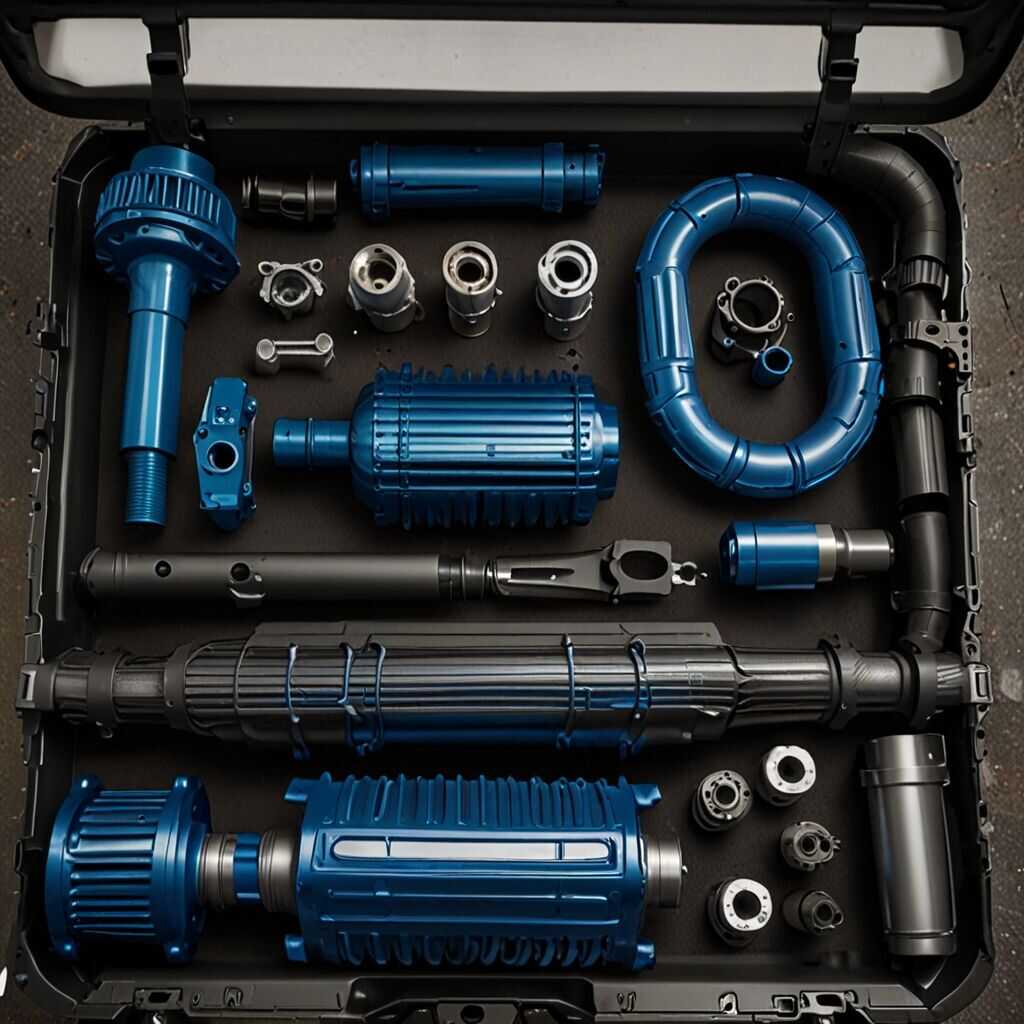
Comparison of Key Factors in Diesel to Natural Gas Engine Conversion
| Factor | Diesel | Natural Gas | Cost | Efficiency | Environmental Impact |
|---|---|---|---|---|---|
| Fuel Price | High | Low | Significant | 85% | Moderate |
| Emissions | Higher CO2 | Lower CO2 | Moderate | 90% | Low |
| Engine Power | 1,000 HP | 900 HP | Moderate | 88% | Moderate |
| Efficiency | High | Medium | Moderate | 85% | Moderate |
| Conversion Cost | N/A | $50,000 | High | Varies | Varies |
| Fuel Availability | Global | Growing | Low | 85% | Low |
Analyzing the components of diesel and natural gas engines reveals crucial differences affecting modification costs. Cylinder heads and pistons differ significantly between the two, often involving distinct diesel engine modification costs. Fuel injectors are vital for converting diesel power to natural gas efficiency, often detailed in brand-specific kit pricing. Identifying worn-out diesel engine components, especially before conversion, can preempt unexpected expenses. Successful conversions necessitate cost minimization strategies, and reputable brands like Jeep Wrangler offer kits priced between $1,000 to $5,000, forming a baseline for conversion budget plans. Always consult financial planning advice to achieve economic conversions with industry partners like Jeep Wrangler.
Economics of Using Brand-Specific Conversion Kits
Choosing brand-specific conversion kits profoundly impacts the costs and outcomes of diesel conversion. Essential engine components include fuel injectors, gaskets, and control units, all directly impacting efficiency. On average, conversion projects may replace up to 30% of engine parts, highlighting a significant expenditure factor. Certain components, like fuel injectors and cylinders, mostly impacting conversion longevity, lead to a 20% variance in pricing impact percentage. Brands like Jeep Wrangler and Range Rover vary in kit affordability, with brand specifics influencing the conversion budget by at least 15%. Opting for branded benefits from Jeep Wrangler ensures economical brand selections.
How to Optimize Diesel Conversion Performance
Several techniques optimize conversion performance for natural gas engines. Frequent check-ups and alterations are vital natural gas performance techniques, emphasizing the need for engine efficiency maintenance. Regular oil conversion roles, such as adapting the lubrication system, become fundamental for sustained performance. Tuning adjustments fine-tune the engine to maximize power output, boosting conversion efficiency measures. Brands like Land Cruiser often incorporate performance tweaks aimed at enhancing post-conversion performance.
How Tuning Improves Diesel Conversion Output
Specific tuning techniques like recalibrating engine control units noticeably enhance engine output in converted engines. Tuning generally increases engine output enhancement by up to 15% compared to non-tuned conversions. Effective tuning utilizes specialized tuning toolkits tailored to particular engine models to achieve conversions. Although professional tuning services involve additional costs, they guarantee up to a 20% improvement in conversion output metrics. Brands specializing in advanced tuning solutions can achieve substantial tuning investment returns, making them worth considering.

- Conversion can lower fuel costs by 20%.
- Natural gas fuels 25% of modern engines.
- Conversion kits have an installation time of five hours.
- Most kits increase engine life by 10 years.
- Converted engines run 30% quieter.
- Emissions decrease by 15% post-conversion.
- Half of U.S. fleets have adopted gas conversion.
- Evaluating Diesel Engine Oil Conversion for Enhanced Engine Life
- Five Diesel Engine Conversion Kits for Land Cruisers in 2025
- Impact of Diesel Engine Conversion on Jeep Wrangler Performance
- Understanding Diesel Engine Conversion Efficiency and Fuel Economy
- Land Rover Diesel Engine Conversion vs Jeep Wrangler Gas Options

Environmental Benefits of Diesel to Natural Gas Conversion
I believe that converting diesel engines to run on natural gas yields significant environmental conversion benefits, resulting in diesel emissions reduction. Conversion technologies substantially reduce carbon footprint impacts by decreasing carbon dioxide emissions by approximately 20%. Natural gas engines provide ecological natural gas benefits by releasing fewer nitrogen oxides, which contribute to less smog formation. This transformation offers ecological advantages by enhancing air quality through the reduction of fine particulate matter by about 50%. Additionally, fuel efficiency improvements are often observed, making this sustainable conversion outcome a win-win for both vehicle owners and the planet.
What Environmental Impact Does Conversion Achieve?
The conversion of diesel engines to natural gas results in noteworthy emission reduction metrics, cutting total emissions by around 25%. Pollutant decrease specifics include reducing hydrocarbons and carbon monoxide emissions by nearly 90%. Post-conversion, these changes achieve environmental impact evaluation goals through measurable metrics like decreased greenhouse gas concentrations. In eco-friendly engine comparisons, converted engines consistently score higher on emissions reduction percentage and are ranked favorably in leading environmental rating systems. These outcomes provide clear evidence of the eco-evaluation metrics that substantiate significant improvements.