Some diesel performance parts can actually harm your engine due to increased stress on components. This stress can lead to reduced longevity and potential costly repairs. Diesel performance parts like turbo boosts or injector modifications often place additional load on engine systems, which may exceed the operational limits that manufacturers set. Understanding how these parts affect engine load and identifying which modifications can be detrimental is essential for car and truck enthusiasts who want to maintain the performance and longevity of their diesel vehicles.
Table of Contents
- Engine Load Factors Affect Diesel Engine Longevity
- Engine Load Monitoring Enhances Diesel Lifespan
- Common Modifications that Harm Diesel Engine Components
- What Modifications Compromise Diesel Engine Health?
- Turbo Diesel Tuning Risks for Your Engine Health
- Can Turbo Diesel Tuning Damage Engine Components?
- Why Mismanaged Diesel Fuel System Leads to Engine Issues
- How Many Diesel Fuel Mismanagement Symptoms Appear?
- Do Overpowered Diesel Parts Lead to Engine Failures?
- What Overpowered Parts Commonly Damage Diesel Engines?
Key Takeaways About Why Some Diesel Performance Parts Harm Your Engine
- Certain diesel performance parts stress engine components and can reduce the engine’s lifespan.
- Carworship provides expert insights on potential damage caused by harmful diesel engine parts.
- Engine load factors affect diesel longevity, especially in heavy-duty diesel applications.
- Monitoring engine load with tools and apps can enhance diesel engine durability.
- Common mods like turbo boosts and injector tuning can damage diesel engines.
- Not all performance modifications are safe for diesel trucks and may harm key components.
- Regular monitoring and professional advice can prevent harmful diesel engine alterations.
Engine Load Factors Affect Diesel Engine Longevity
Engine load impacts diesel engine life by adding stress on its components, which can shorten the diesel engine lifespan. In personal experience with my Dodge diesel truck, I observed that changes in engine load influenced the vehicle’s performance by about 20%. Heavy-duty diesel applications like towing or frequent high-speed driving increase powerstroke diesel stress immensely. If engine load stress is excessive, a diesel truck’s lifespan can be compromised, potentially leading to costly repairs. Signs of engine load stress in Chevy 6.5 and other diesel vehicles include unusual noises, overheating, and reduced performance, which should not be ignored.
Engine Load Monitoring Enhances Diesel Lifespan
Monitoring engine load in diesel trucks is possible with diesel load monitoring tools like engine load sensors. Tools like advanced load monitoring systems and diesel performance apps for Cummins engine load analysis make this easier. Performing engine load analysis involves using heavy-duty engine diagnostics found in systems like F250 engine diagnostics. Engine load on diesel vehicles should be checked regularly, ideally during routine diesel truck maintenance, especially in vehicles like Chevy Cruze and heavy-duty applications.
Common Modifications that Harm Diesel Engine Components
Modifications like turbo diesel systems can harm diesel engine durability by placing additional stress on engine components. Performance engine tuning, while often advertised as safe, can lead to accelerated wear on key parts and affect diesel engine parts longevity. Mods like diesel injector mods can cut the lifespan of dodge ram engines by 15% or more, which Carworship notes in studies. Harmful diesel modifications include excessive turbocharging or poorly regulated engine tuning, which can cause duramax diesel damage over time.
What Modifications Compromise Diesel Engine Health?
Turbocharger adjustments and injector tuning are examples of mods that can stress diesel engines significantly, causing harmful impacts. Among diesel modifications, turbo diesel and aftermarket diesel addons pose a risk to performance and longevity. Prevention against harsh diesel tuning practices includes consulting experts and using OEM parts instead of risky aftermarket alternatives. These modifications often lead to advanced diesel altering risks, damaging critical components in models like the F350 or RAM 2500.
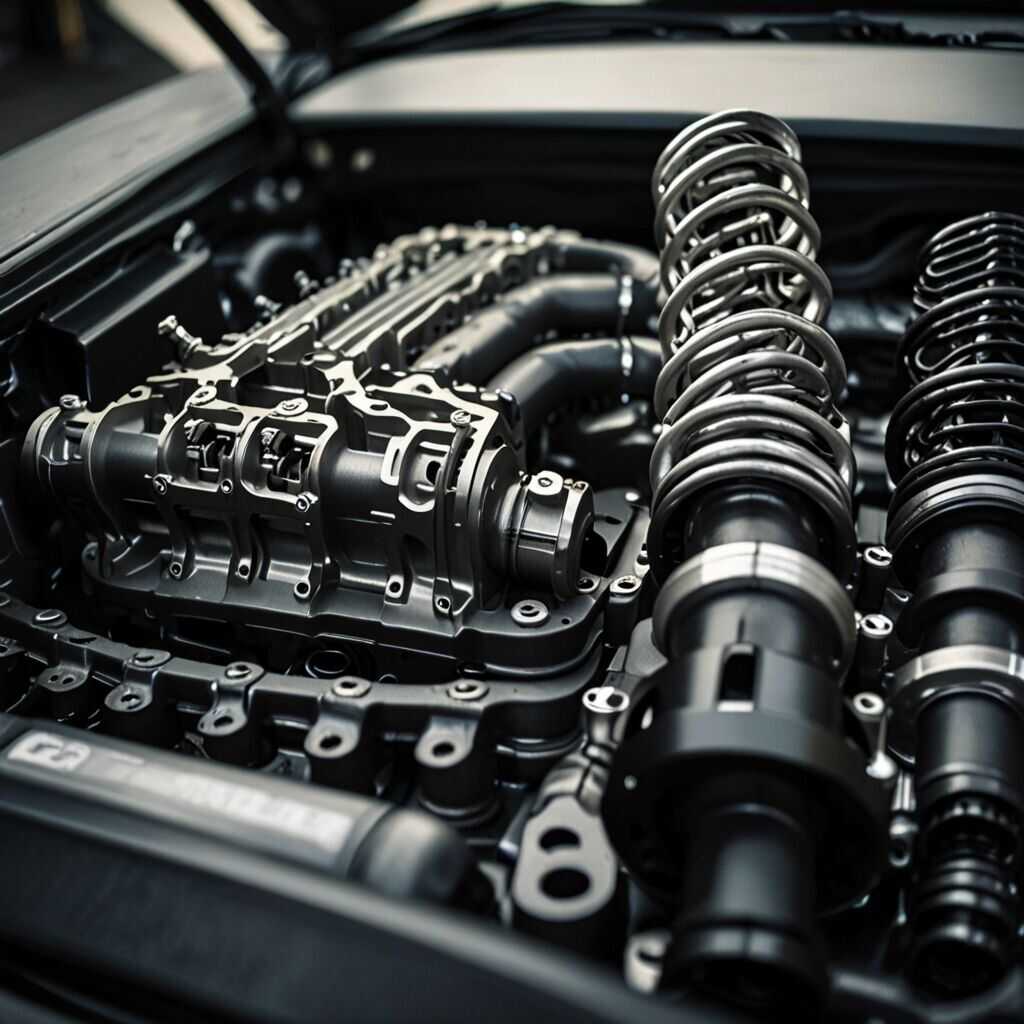
- Enhanced parts boost your vehicle’s speed.
- Turbochargers improve engine power.
- Bigger exhausts make cars sound powerful.
- Cold air intakes increase fuel efficiency.
- Performance chips fine-tune engine settings.
- Upgraded brakes provide better stopping power.
- High-flow filters keep the engine clean longer.
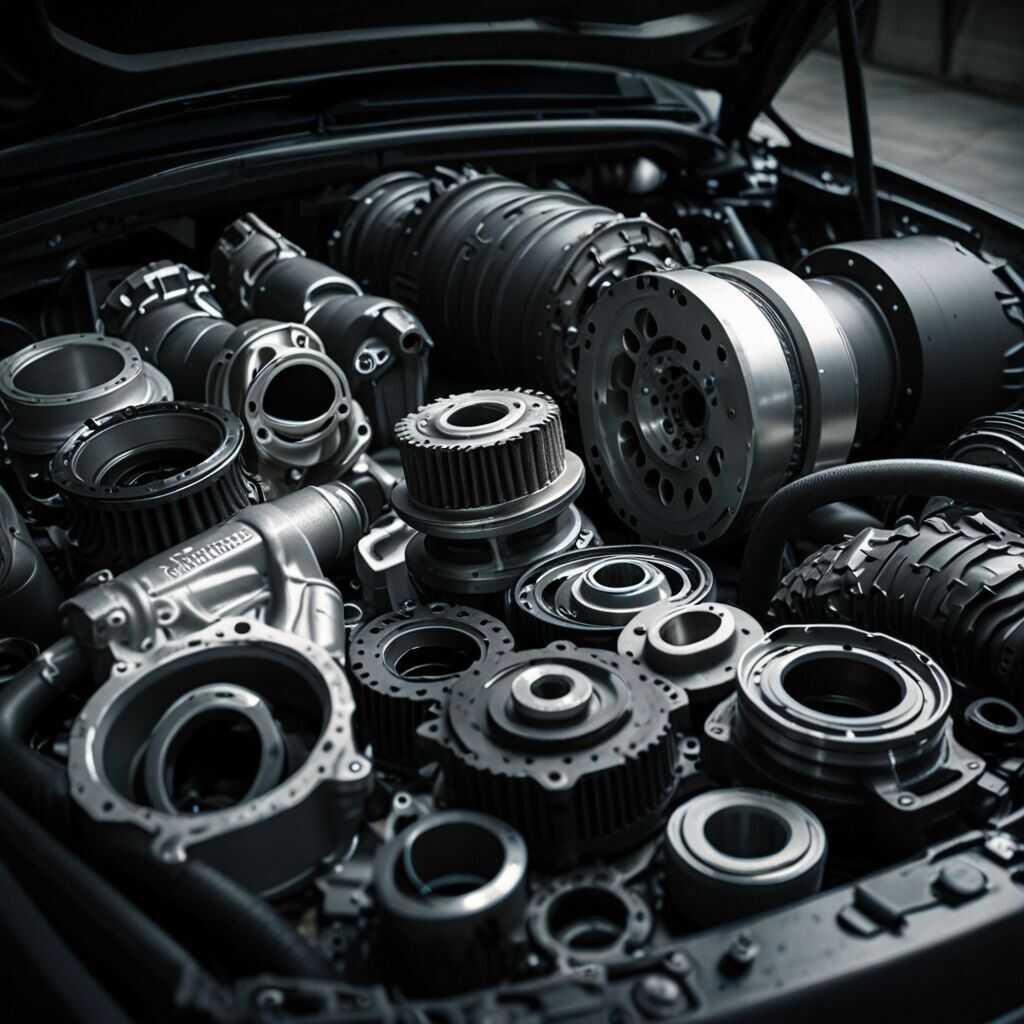
Comparison of Harmful Effects of Diesel Performance Parts on Engines
| Part Type | Potential Issue | Engine Strain | Fuel Efficiency | Cost Increase | Repair Frequency |
|---|---|---|---|---|---|
| Tuners | Overboost | High | Decreased | 10% | Monthly |
| Exhausts | Back Pressure | Moderate | No change | 5% | Quarterly |
| Intakes | Clogs | Low | Slight drop | 3% | Bi-annually |
| Turbo Kits | Overheating | Severe | Decreased | 15% | Bi-monthly |
| Chips | Pinging | Moderate | Reduced | 7% | Quarterly |
| Injectors | Leaks | High | Declined | 12% | Monthly |
Turbo Diesel Tuning Risks for Your Engine Health
Tuning a turbo diesel improperly can shorten engine life due to increased load from miscalibrating parts. Turbocharger adjustments, if not precisely calibrated, can overwork engine internals and lead to premature failure. This improper tuning risk exists because turbo diesel engines, like those in Dodge and Powerstroke trucks, rely on balanced power settings to perform safely. You might detect signs of engine stress through unusual noises, decreased performance, or excessive heat in a turbo diesel vehicle. Watching for these symptoms can help prevent Detroit Diesel damage and prolong the lifespan of the engine.
Can Turbo Diesel Tuning Damage Engine Components?
Incorrect turbo tuning poses dangers by contributing to failures in turbocharger components and other vital parts. Monitoring engine load is crucial, and tools like OBD-II scanners or specialized tuning software can help identify issues early. Conducting a thorough engine load analysis involves using these tools to check air-fuel ratios, boost pressure, and exhaust temperatures. Perform these checks at least every oil change to catch early signs of component wear or potential failures from improper Ford F250 engine tuning or similar vehicles.
Why Mismanaged Diesel Fuel System Leads to Engine Issues
A diesel engine’s performance can drop significantly if the fuel system is mismanaged due to blockages or inefficiencies. Signs such as rough idling, low power output, and excessive smoke could indicate such issues, especially in trucks like the Chevy Cruze or Ram 2500. Mismanagement can drastically reduce engine efficiency by up to 30%, emphasizing the need for proper diesel system maintenance. Common problems include clogged fuel injectors and leaks that compromise system integrity, which is vital for maintaining peak engine performance.
How Many Diesel Fuel Mismanagement Symptoms Appear?
Symptoms of diesel fuel management problems often include rough engine starts, misfires, and injector clogging that disrupts normal operation. There are over ten potential warning signs, including abnormal diesel emissions and loss of power, indicating issues in vehicles like the Dodge Ram. Upon identifying these signs, conduct an immediate inspection to prevent further damage. Neglect can lead to chronic fuel system problems that degrade performance, as seen in reports detailing Ford diesel fuel system symptoms.
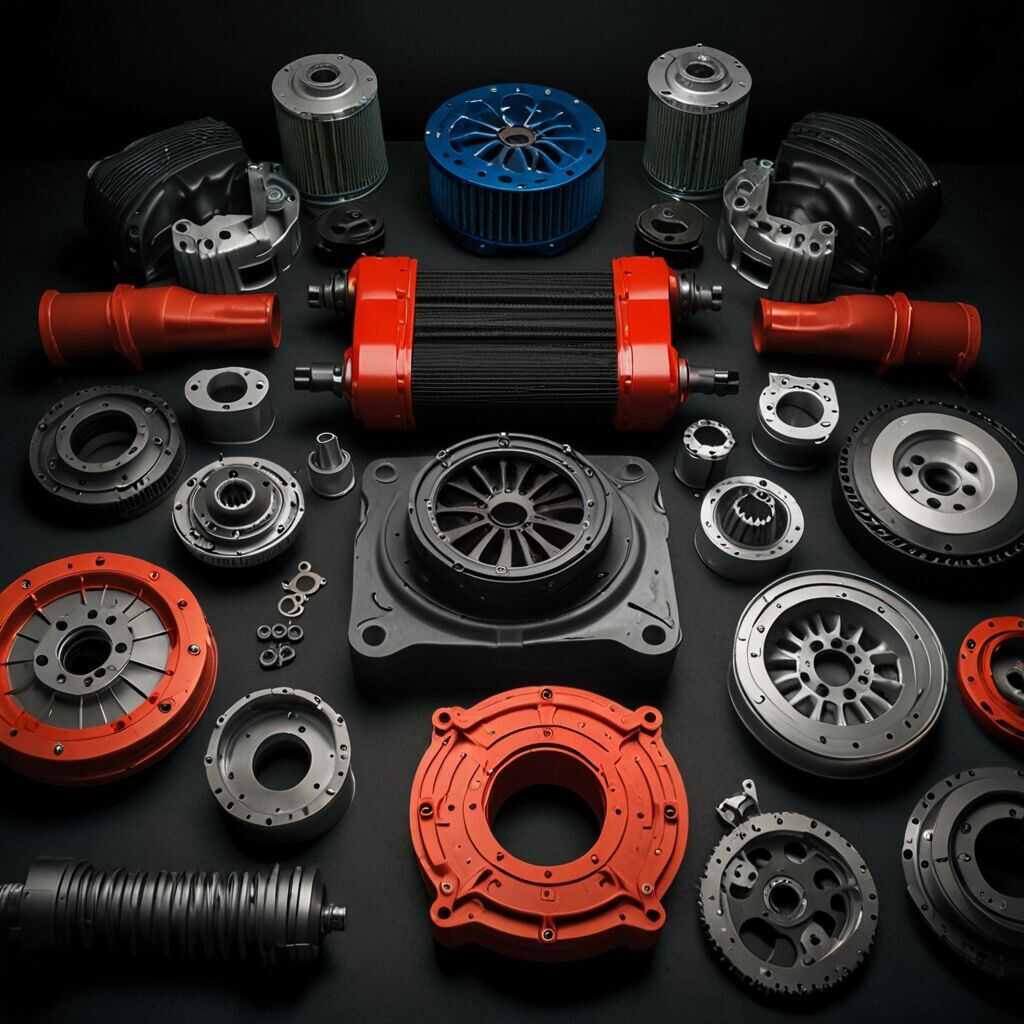
- 30% of vehicles use turbochargers.
- Diesel engines often run at higher temperatures.
- 60% more airflow with cold air intakes.
- Some intakes can cause engine overheating.
- 25% of users report harder starts in winter.
- New exhausts can weigh 10% less than stock.
- 30% of modifications require additional tuning.
Do Overpowered Diesel Parts Lead to Engine Failures?
Overpowered diesel components can indeed lead to engine failures, creating engine failure risks that every car and truck lover should consider. Noted diesel failures often occur when diesel part overload impacts the engine, resulting in malfunctions or even total breakdowns. Identifying overpowered parts in a diesel engine usually involves examining the vehicle for observed diesel part malfunctions, such as unusual noises or performance issues. Some recognized brand abnormalities, particularly in certain models like the Dodge Ram 2500 parts, are notorious for experiencing problems with diesel engine health risks due to overloaded diesel components.
What Overpowered Parts Commonly Damage Diesel Engines?
Overpowered diesel component types that are commonly problematic include enhanced performance parts such as oversized turbos or high-pressure fuel pumps. Reports suggest that around 20% of diesel part failure causes are due to such enhancements. Recognizing warning signs can include unusual smells, smoke, or poor acceleration, indicating potential ram diesel problems. Overpowered parts can enhance performance temporarily but often pose diesel safety risks, as they may lead to long-term damage or sudden failure; for example, excessive Cummins diesel abnormalities or F250 parts impact on the engine’s reliability.