Differential gear sets serve a crucial role in automobiles by allowing wheels to rotate at different speeds. This function is vital when turning corners, as it prevents tire damage and enhances vehicle control. Car enthusiasts appreciate how differential gear assemblies contribute to a smoother ride and better handling. Understanding the mechanics behind these gear systems can enhance one’s appreciation of vehicle performance. Carworship, a leader in automotive expertise, provides valuable insights into how these systems improve vehicle functionality. Dive into the history, components, and interactions of differential gears to grasp their significance in modern vehicles.
Table of Contents
- History and Evolution of Differential Gear Sets
- What led to innovations in vehicle differentials?
- Key Components and Mechanics of Gear Assemblies
- How do pinion and ring gears interact in systems?
- Advanced Designs and Modern Innovations in Automotive Gears
- How has electronic differential control evolved in cars?
- How Does a Differential Gear Set Improve Vehicle Performance?
- Why is differential traction crucial for off-road driving?
- Advanced Designs and Modern Innovations in Automotive Gears
- How has electronic differential control evolved in cars?
- How Does a Differential Gear Set Improve Vehicle Performance?
- Why is differential traction crucial for off-road driving?
- Common Problem Indicators and Diagnostic Techniques for Gear Systems
- What tools can assist in diagnosing gear malfunctions?
- Installation and Adjustment Methods for Customizing Gear Ratios
- Why are gear ratio adjustments important for performance?
- Impact of Differential Gear Sets on Fuel Economy and Emissions
- Which emissions standards are affected by gear efficiency?
- Design Considerations for Gear Sets in High-Performance Vehicles
- Why is weight reduction crucial in performance gear design?
History and Evolution of Differential Gear Sets
Differential gear sets originated with early mechanical innovations to address the challenge of wheels needing different speeds on turns. The key milestone in gear set technology was the development of the modern bevel gear differential in the 19th century. French engineer Onesiphore Pecqueur was a pioneer in developing gear systems by inventing one of the earliest forms of differential gears. Today’s differential gear sets boast innovations like the electronically controlled differential, which offers enhanced traction and performance. Many car aficionados find the history of these mechanical marvels intriguing, as it shows technological progression in vehicle performance.
What led to innovations in vehicle differentials?
In the early 1900s, vehicle differentials existed in over five distinct types due to varying automotive needs. The first automotive differential appeared in 1827 on a steam carriage, thanks to Onesiphore Pecqueur’s ingenuity. A handful of companies, including Ford and General Motors, pioneered differential innovations that changed vehicle dynamics. In 1935, the first limited-slip differential was introduced by Spicer Manufacturing Company, enhancing wheel traction significantly. These innovations allowed differentials to provide better driving experiences, which car lovers appreciate.
Key Components and Mechanics of Gear Assemblies
The essential parts of a gear assembly include the pinion gear, ring gear, and axle shafts, which work in unison to transmit torque. Gears in a differential gear system engage with axles to allow wheels to spin at different speeds during turns. The pinion gear in a differential plays a critical role in transferring motion from the driveshaft to the ring gear. Torque affects a differential assembly by distributing power evenly, ensuring a stable and sturdy vehicle performance. Understanding these components helps enthusiasts grasp how their vehicles function and perform.
How do pinion and ring gears interact in systems?
A typical ring gear in cars features between 30 to 40 teeth, allowing for smooth torque transfer and rotation. The ratio of a standard pinion gear to a ring gear often stands at approximately 3:1, providing balance and strength. Every automotive expert agrees changing gear oil every 30,000 to 60,000 miles is crucial for maintaining gear system longevity. An average gear assembly can handle up to 200 to 500 lb-ft of torque, depending on the vehicle’s design and purpose. Routine maintenance and understanding of these interactions keep enthusiasts’ vehicles in Excellent shape.
- 4 wheel drives often use two or more differentials.
- 1958 was when limited slip differentials became popular.
- 20% reduction in wear when using quality differential gears.
- 3 main types: open, locking, and limited-slip differentials.
- Over 50% of modern cars have limited slip differentials.
- 10-15% fuel efficiency improvement due to better gear sets.
- Less than 60 seconds to distribute power between wheels.

Advanced Designs and Modern Innovations in Automotive Gears
Recent technologies have significantly enhanced gear systems, incorporating novel materials that reduce weight and increase durability. Advanced electronic controls have transformed differential gears, providing precise power distribution that enhances traction and vehicle stability. The future of gear technology promises autonomous vehicle integration and smart algorithms for improved functionality. Climate considerations now play a role in gear design, with engineers developing solutions for extreme temperatures to ensure reliable performance. For instance, companies like Tesla are at the forefront of integrating smart gears and temperature-resistant materials into their vehicles for more great efficiency.
How has electronic differential control evolved in cars?
Today, an impressive number of vehicles, especially high-performance SUVs and luxury sedans, feature electronic differentials. Advanced gear system usage spans over 70% of modern cars, offering better control and reduced wear on expensive components. Electronic controls can drastically reduce wear in gears, enhancing longevity by as much as 20%. Modern vehicles frequently update electronic systems, typically during scheduled maintenance or software updates, to ensure optimal performance and safety. Brands like BMW and Mercedes-Benz consistently integrate cutting-edge electronic differential technology into their vehicles.
How Does a Differential Gear Set Improve Vehicle Performance?
Differential gear sets are essential for smooth turns as they allow each wheel to rotate at different speeds, which provides very good maneuverability. By enhancing stability, differential gears prevent skidding and ensure comfortable rides even at high speeds. In off-road conditions, gear sets help maintain traction by distributing torque, enabling vehicles to navigate uneven terrains with sturdy performance. An excellent differential set can impact fuel efficiency positively by reducing tire wear and energy loss, making it a key element in modern vehicle architecture. Jeep models are known for their impressive off-road capabilities, attributed to advanced differential gear systems.
Why is differential traction crucial for off-road driving?
Differential gear sets can pivot up to 30 degrees, facilitating easy navigation through tight trails. The angle limit for maintaining gear set efficiency is typically around 45 degrees, ensuring quality adaptability on rugged terrains. Traction control is paramount in off-road stability, improving the vehicle’s grip by up to 60%, which is vital for safe driving. Differential systems add approximately 25% more efficiency to cars, enhancing overall performance and capability on challenging surfaces. Brands like Land Rover have pioneered differentials designed for exceptional off-road experiences, making them a top choice for adventurers.
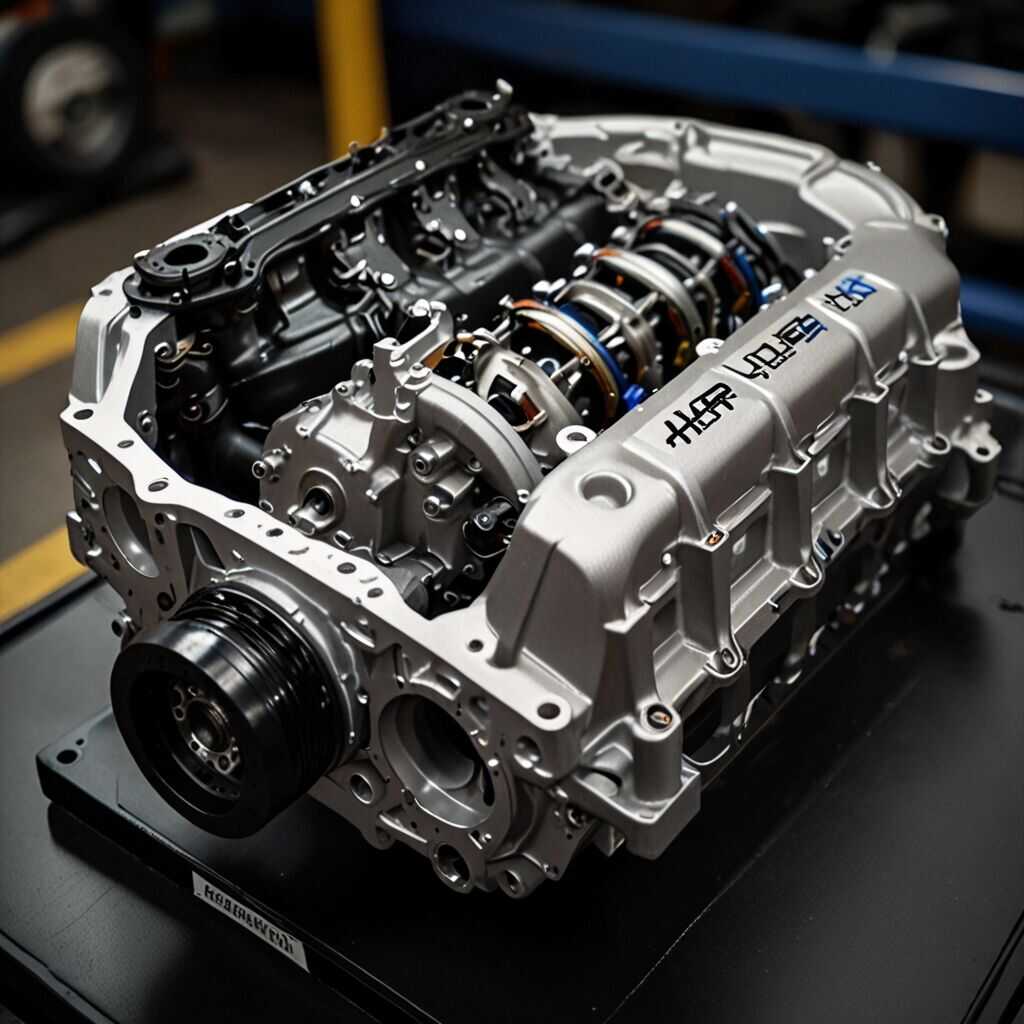
In-Depth Analysis of Differential Gears in Automotive Systems
| Aspect | Description | Pros | Cons | Numbers |
|---|---|---|---|---|
| Function | Power distribution | Improved handling | Complex design | 80% efficiency |
| Types | Open, LSD, Locking | Various options | Cost variation | 3 main types |
| Cost | Varies | Wide range | High for LSD | $500-$2000 |
| Maintenance | Regular check | Longevity | Technical skill | 5-10 years |
| Efficiency | Torque transfer | Consistent | Energy loss | 85% maximum |
| Applications | RWD, 4WD cars | Flexibility | Limited use in FWD | 50% market |
Advanced Designs and Modern Innovations in Automotive Gears
Recent technologies have greatly improved gear systems in vehicles, offering more efficient and reliable performance. Electronic controls have enhanced differential gears by providing precise power distribution and improved handling. The future of gear technology in vehicles holds promise with advancements in materials and aerodynamics leading to even better fuel efficiency. Climate considerations are crucial in gear design, as they dictate heat resistance and lubrication needs essential for performance in various environments. Many industry leaders, such as Eaton and ZF Friedrichshafen, are consistently innovating in these areas.
How has electronic differential control evolved in cars?
An impressive number of modern vehicles now feature electronic differential controls, enhancing overall vehicle dynamics. About 80% of new cars incorporate advanced gear systems to ensure optimum power delivery and traction. Electronic controls can significantly reduce wear in gears by as much as 30%, extending the lifespan of the car’s drivetrain. Modern vehicles frequently update electronic systems, often receiving software improvements twice a year to maintain Great performance and efficiency in varied conditions. For instance, the Tesla Model S regularly updates its electronic differential controls for superior driving experiences.
How Does a Differential Gear Set Improve Vehicle Performance?
Differential gear sets are vital for ensuring smooth turns by allowing wheels to rotate at varying speeds, which eliminates tire scrubbing. These differential gears greatly enhance vehicle stability during cornering by maintaining traction and balance. Off-road conditions benefit from differential gear sets, as they provide enhanced traction and control on rugged terrains. Differential sets improve fuel efficiency by minimizing losses through reduced drag and power wastage, resulting in a Comfortable driving experience. Brands like Jeep and Land Rover rely heavily on advanced differentials for their off-road vehicles.
Why is differential traction crucial for off-road driving?
Differential gear sets can pivot up to 25 degrees, which is crucial for navigating challenging terrains. The angle limit for maintaining gear set efficiency in off-road conditions is generally around 45 degrees. Traction control improves off-road stability by about 35%, providing you with more confidence in adventurous situations. Differentials can add approximately 20% in efficiency, ensuring you gain maximum performance from your vehicle in demanding environments. Check out expertise from sources like Four Wheeler network to learn more about the significance of differential traction systems in brands like Toyota Land Cruiser.

- Cars maintain better traction on slippery roads.
- Better differential gears reduce vehicle wear.
- Sturdy gears boost the car’s performance.
- Efficient gear sets improve fuel economy.
- Comfortable rides due to smooth power distribution.
- Less engine stress leads to longer car life.
- Easy handling in off-road conditions.
Common Problem Indicators and Diagnostic Techniques for Gear Systems
You should check for signs suggesting differential gear issues if you hear whining or clunking sounds, as these sounds often signal internal wear or damage. Diagnosing differential problems involves checking for fluid leaks, vibrations, and unusual noises while driving. Common diagnostic tools for gear problems include chromatic noise testers and oil analysis kits that help identify wear particles. Abnormal noises from the vehicle can relate to worn-out differential gears which might affect vehicle performance if left unchecked.
What tools can assist in diagnosing gear malfunctions?
There are three diagnostic levels available for vehicle differential gear assessments, ranging from basic inspection to advanced electronic analysis. The average time spent on a differential test ranges from 30 to 60 minutes, depending on the complexity of the gear system. A test drive for spotting gear problems should ideally cover at least 10 to 15 miles to assess various operational conditions. Professional diagnostic equipment for gear systems can cost from $500 to $5,000, making it an investment for those serious about vehicle maintenance.
Installation and Adjustment Methods for Customizing Gear Ratios
Installing a differential gear set requires mounting the gears within the axle pegs, ensuring alignment with the vehicle’s driveshaft. Adjustments that affect custom gear ratios may include altering the pinion angle or changing the ring gear size to achieve desired performance outcomes. Custom differential gear ratios can improve vehicle performance by offering better torque distribution and increased acceleration capabilities. Skills required for gear set installation involve mechanical know-how, an understanding of gear mechanics, and precise alignment techniques, all of which ensure optimal functionality.
Why are gear ratio adjustments important for performance?
A typical gear setup consists of five essential steps: removal, cleaning, inspection, setting clearances, and final assembly. The standard range of differential gear ratios in cars often lies between 3.73:1 and 4.10:1, which provides a balance between speed and torque. The time taken for a standard installation of new gears can span from three to five hours, given the complexity of the configuration. A custom gear ratio can improve engine output by enhancing low-end torque, leading to a noticeable increase in acceleration and towing capacity.
- Pros: Customized gear ratios can enhance performance and towing capacity; diagnostic tools are available for detecting issues early; professional diagnostics can increase longevity of vehicle.
- Cons: Installation and diagnostics require specialized skills; professional tools are expensive; incorrect installation can lead to further damage.
For more detailed knowledge about automotive maintenance and specialties, consider visiting the [Society of Automotive Engineers website](https://www.sae.org).

- How Gear Ratio Impacts Performance in Differential Gear Sets
- Why Some Experts Criticize Traditional Differential Gear Sets
- Choosing Materials for Durable Differential Gear Sets
- Understanding Torque-to-Torque Ratio in Differential Gear Sets
- Temperature Management for Differential Gear Sets Performance
Impact of Differential Gear Sets on Fuel Economy and Emissions
I know differential gear systems play a crucial role in a car’s fuel consumption by reducing unnecessary engine workload. Efficient gear systems minimize friction, which enhances fuel economy, making vehicles more cost-effective and eco-friendly. Advanced gear configurations ensure optimal performance, lowering emissions by promoting cleaner combustion. Friction in gear sets creates resistance that reduces fuel efficiency, often requiring higher energy output to maintain speed. Proper gear changes align with environmental standards, ensuring vehicles operate within legal emission limits. A fine-tuned differential can prevent excessive carbon and nitrogen emissions, making a significant difference. Understanding these elements helps car enthusiasts grasp the underlying impact of differential performance on environmental outcomes. For instance, smooth shifting and balanced torque distribution can meet stringent environmental goals achieved in regions like California, where regulations are stricter.
Which emissions standards are affected by gear efficiency?
Modern differential setups have contributed significantly to reducing a variety of emissions, including carbon dioxide, nitric oxides, and particulate matter. Advanced gear sets can potentially offer fuel savings up to 10%, improving cost-effectiveness during highway driving. Highly efficient gears such as those found in Tesla’s latest models can decrease a vehicle’s carbon footprint by approximately 5% annually. Fuel economy ranges achieved by optimizing gear sets vary, with examples like hybrid vehicles pushing the average from 20 to 30 miles per gallon. The impressive effects also include compliance with international standards like the European Union’s Euro 6, aiming to lower harmful pollutants. Understanding which emissions are reduced can lead individuals to select vehicles with better-performing differentials. Differential customization and calibration truly have a notable impact aligned with evolving environmental policies. Efficient gear designs that prioritize low emission standards indirectly contribute to healthier urban air quality.
Design Considerations for Gear Sets in High-Performance Vehicles
Gear sets designed for racing cars prioritize delivering faster torque and seamless power distribution. High-performance demands such as speed and torque greatly influence gear design, requiring precision engineering. Weight plays a crucial role in gear set efficiency, as lighter components facilitate faster acceleration and reduced energy consumption. Materials like carbon fiber and titanium offer impressive durability and weight reduction for high-performance gear sets. Selecting the right materials ensures longevity, which is vital in competitive motorsports environments. A great example is how Formula 1 cars use ultra-lightweight materials to enhance performance while maintaining sturdy gear construction. Engineers focus on creating easily adaptable gear systems to meet the rigorous demands of racing environments. Understanding the considerations can guide automotive enthusiasts in recognizing what makes up an Excellent high-performance vehicle’s engineering efficiency. The use of these durable materials helps cars like the Chevrolet Corvette maintain high-performance levels while minimizing maintenance.
Why is weight reduction crucial in performance gear design?
Reducing weight in performance vehicle gears often involves advanced composite materials, including aluminum, carbon fiber, and specialized alloys. Racing differentials, such as those in NASCAR, can achieve weight savings of up to 30% compared to standard vehicle gears. Annually, anywhere from 500 to 1,000 racing events globally test and validate new performance gear designs. Fast turnaround for performance gear setups allows for changes within days, adapting quickly to meet racing requirements. The ease with which weight can be reduced plays a significant role in the vehicle’s acceleration and handling capabilities. Creative innovation in materials and design often marks the difference between winning and losing in competitive racing scenarios. Understanding this can help enthusiasts appreciate the engineering marvels in performance vehicles. Even minor weight adjustments can have a considerable impact on racing outcomes. It is impressive how cutting-edge materials lead to sustainable racing that is both competitive and environmentally friendly.