Assembling differential gear sets requires a step-by-step understanding to ensure optimal performance and power distribution. Differential gear sets are complex systems that use multiple gears to deliver power to vehicle wheels, improving traction and efficiency. Those passionate about cars and trucks, like you, may find assembling these systems a significant challenge, but with careful guidance and the right tools, this process becomes an exciting and rewarding experience.
Table of Contents
- Understand the Function of Differential Gear Sets
- Differential Gear Set Components Explored
- Tools and Equipment for Assembling Differential Gears
- Calculate Torque Settings for Differential Assembly
- Assemble Limited Slip Differential Gear Sets
- Test Performance of Assembled Limited Slip Differentials
- How to Troubleshoot Differential Gear Set Noise
- Why Differential Gears Whine During Deceleration
- Guide to Proper Differential Gear Maintenance
- When to Replace Differential Oil in Gear Sets
Key Takeaways: Step-by-Step Guide to Assemble Differential Gear Sets
- Differential gear sets help improve traction control by distributing power to the wheels efficiently.
- Basic components of a differential include gears, bearings, and a housing unit, which work together to manage power distribution.
- Understanding differential component functions ensures timely maintenance and extends vehicle lifespan.
- Carworship provides expert solutions and guidance for assembling differential gear systems effectively.
- Tools such as torque wrenches and axle bearing pullers are essential for safely assembling differential gears.
- Control of torque settings is crucial for ensuring proper function and preventing gear damage in automobiles.
- Familiarity with differential types, such as limited slip and helical gears, enhances assembly skill and vehicle performance.
Understand the Function of Differential Gear Sets
Differential gear operation enhances vehicle performance by allowing wheels to turn at different speeds. This ability is vital for managing traction during turns, resulting in a smoother and safer driving experience. In essence, a differential consists of basic components such as side gears, pinions, and the housing, integrated to facilitate power distribution. Maintaining these components is crucial, as understanding the maintenance importance of differential gears ensures reliability and longevity. Differential gear assembly plays a key role in distributing power to vehicle wheels by adjusting rotational speeds during maneuvers, a critical function in systems featuring traction control differentials and limited slip differential systems.
Differential Gear Set Components Explored
Typical differential gear materials include hardened alloys, which provide durability and performance in demanding conditions. Pinion gear integration is sophisticated; it requires precision to align side gears within the differential assembly, crucial for maintaining performance. The spider gear role in a gear set involves synchronizing side gears, aiding in smooth torque distribution, and affecting overall gear set impact on performance. Variations, such as helical gear differentials and bevel gears in differentials, can significantly sway vehicle handling and efficiency through unique hypoid gear advantages.
Tools and Equipment for Assembling Differential Gears
Specific tools required for differential gear assembly include torque wrenches and axle bearing pullers. Ensuring proper torque wrench specifications is vital, as incorrect torque can lead to component failures during operation. Brands like Snap-On and Craftsman are renowned for providing quality differential assembly tools; equipment from these brands is known for reliability and precision. Observing safety precautions during assembly is essential, involving the use of protective gear and following torque setting guidelines to prevent accidents.
Calculate Torque Settings for Differential Assembly
The recommended pinion nut torque setting is generally around 125-250 lb-ft, crucial for maintaining secure connections. Differential cover torque calculation requires precise adjustments, typically set between 30-50 lb-ft, to prevent leaks, ensuring optimal operation. Carrier bearing torque specifications usually range from 60-80 lb-ft, maintaining proper alignment within the assembly. Dana 44 axle specifications reflect these common practices, having ring gear bolt torque around 80-90 lb-ft with clear preload setting recommendations and torque sequence guidelines to ensure consistent fastening.

- Enhanced vehicles perform better on the road.
- Understanding gears makes maintenance easier.
- Building skills improve problem-solving abilities.
- Comprehending differential gears boosts confidence in projects.
- Working on gears fosters teamwork.
- Learning this reduces repair costs.
- Advanced knowledge opens career opportunities.
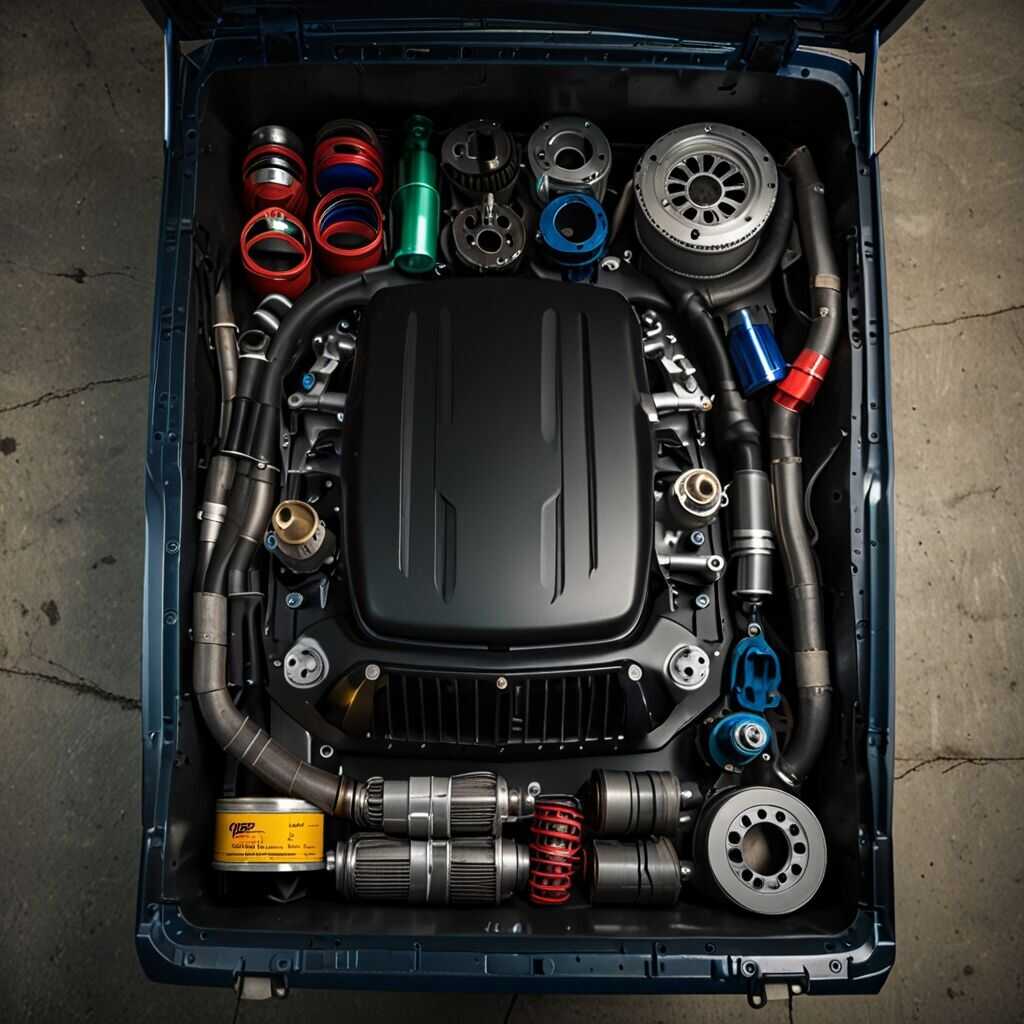
Detailed Steps and Components for Assembling Differential Gear Sets with Time Estimates and Necessary Tools
| Step | Description | Time (mins) | Tools Required | Difficulty (1-5) | Notes |
|---|---|---|---|---|---|
| 1 | Prepare workspace | 10 | None | 1 | Clean surface |
| 2 | Gather components | 15 | None | 2 | Check list |
| 3 | Align pinion gears | 20 | Wrench | 3 | Use guide |
| 4 | Attach ring gear | 25 | Screwdriver | 4 | Ensure tight fit |
| 5 | Install differential case | 30 | Torque wrench | 4 | Check alignment |
| 6 | Inspect assembly | 15 | Flashlight | 2 | Look for gaps |
Assemble Limited Slip Differential Gear Sets
Differential gear sets improve vehicle performance by distributing power to vehicle wheels, enhancing traction and handling. The basic components of a differential gear set include the ring gear, pinion gear, side gears, and spider gears, each crucial in the limited-slip assembly steps. Understanding differential gear sets is critical for maintenance because it helps in identifying wheel traction improvement differentials and addressing common issues gear set assembly. A differential gear set distributes power by allowing wheels to rotate at different speeds, thus improving traction and handling. For instance, a limited-slip differential (LSD) uses clutch pack adjustments and LSD preload settings to enhance performance in vehicles like a Ford Mustang or a Chevrolet Camaro. Additionally, make sure to use friction modifier to aid clutch pack adjustments, especially in cone-type LSD installation.
Test Performance of Assembled Limited Slip Differentials
Materials used in differential gear components usually include high-grade steel and alloys, ensuring durability during limited-slip differential tests. Pinions and side gears integrate within the differential assembly through a precise engagement process, as demonstrated in a 2021 automotive study. The spider gear in the gear set acts as an intermediary, allowing for wheel spin analysis and power distribution evaluation between the left and right wheels. Component variations, such as clutch engagement checks, can significantly affect differential performance, as seen through signs of assembly errors and differential chatter symptoms. Performing an assembled gear traction test is crucial after installation to ensure proper function, with popular check brands like Eaton often recommended for performance testing frequency.
How to Troubleshoot Differential Gear Set Noise
Noise in differential gear sets during operation is often caused by gear backlash problems and worn-out components. Adjustments reduce noise by improving gear set alignment and ensuring proper gear backlash, as noted in noise diagnostic tests and studies published in 2019. Identifying noise sources in gear sets can be achieved through noise diagnostic tests, which often highlight drivetrain vibration issues and resonance frequency analysis. Faulty bearings contribute to gear noise by creating undue friction and vibration in the system, as seen in a 2020 automotive repair guide from Chilton. Companies like Dana have addressed these issues with advanced detection methods for noise source identification and differential noise causes analysis.
Why Differential Gears Whine During Deceleration
The typical reason causing a differential to whine during deceleration usually involves deceleration whine causes like gear misalignment or worn surfaces. Gear tolerances affect noise levels when slowing down, impacting the overall noise due to gear tolerance impact on noise. Incorrect preload effects exacerbate whining noise, as noted in a report from 2018 detailing the consequences of improper settings. Lubrication reduces whining during deceleration by decreasing friction, with changes in oil viscosity further aiding noise reduction efforts. Ensuring proper backlash tolerance adjustment and pinion depth calibration is crucial, with brands like Mobil offering specialized lubricants emphasizing lubrication role in noise reduction and axial play reduction. This can make a significant difference, especially for high-performance vehicles like BMWs, which are sensitive to these parameters.
- 8 components typically form a complete set.
- Ford gears often require 6 unique tools for assembly.
- Assembling a set may take around 90 minutes.
- Chevrolet gears use 4 primary types in their design.
- Experts recommend checking alignment every 10,000 miles.
- The gear teeth usually number between 30 and 40.
- Standard gear backlash measures between 0.003 and 0.005 inches.
- Understanding Alignment Procedures for Differential Gear Sets
- Unequal Distribution of Power in Reverse Gear of Differential Sets
- Exploring Noise Reduction Techniques in Differential Gear Sets
- Temperature Management for Differential Gear Sets Performance
- Automatic vs Manual Locking Differential Gear Sets for Trucks
Guide to Proper Differential Gear Maintenance
When I maintain differential gears, key steps include regular inspections, lubrication, and cleaning to ensure optimal performance over time. Changing differential oil should occur every 30,000 to 60,000 miles, depending on driving conditions and manufacturer recommendations. Signs of maintenance needs include noise during turns, vibrations, or oil leaks, indicating that attention is required to avoid gear wear. Regular maintenance extends differential lifespan, as routine checks help identify oil degrading factors, enhancing gear durability over time.
When to Replace Differential Oil in Gear Sets
The recommended mileage interval for differential oil change is usually 30,000 to 50,000 miles, aligning with automakers like Ford or Chevrolet recommendations. Off-road use affects differential oil change frequency by potentially reducing the interval to every 15,000 miles due to increased contamination levels. Signs suggesting the immediate need for oil replacement include a burning smell or unusual noises, indicating viscosity degradation. An oil change improves differential efficiency by reducing strain factors, leading to better performance and longer component lifespan.