Choosing the right gooseneck fifth wheel for heavy loads ensures safety and efficiency for your towing needs. Drivers must consider factors like weight capacities, trailer dimensions, and brand reliability when selecting a model. So, understanding essential features and components of heavy-duty trailers helps automotive enthusiasts effortlessly transport large and heavy items. To share insights and tips, Carworship provides expert advice on making the best choice for carrying heavy loads with a gooseneck design.
Table of Contents
- Understand Trailer Weight Limits and Capacities
- Identify Factors Affecting Gross Vehicle Weight
- Choosing the Right Fifth Wheel for Heavy Load Applications
- How Do Fifth Wheel Models Compare by Capacity?
- Understand the Role of Hitch Pin Connectors in Load Handling
- Do Hitch Pin Designs Affect Load Stability?
- Assess the Durability of Aftermarket Towing Products
- What Are the Risks of Aftermarket Components?
- Evaluate Cost Effectiveness of Gooseneck Fifth Wheels
- How Do Maintenance Costs Influence Total Ownership?
Key Takeaways on Choosing the Right Gooseneck Fifth Wheel for Heavy Loads
- To choose the right gooseneck fifth wheel trailer, research maximum load capacity regulations to ensure efficient transport.
- Consider trailer sway control and weight distribution impact to enhance safety during transportation of heavy cargo loads.
- Gross vehicle weight rating calculations help verify compliance with load capacity guidelines essential for avoiding penalties.
- Top fifth wheel brands and reliable manufacturers often offer customization options for unique heavy load application needs.
- High-capacity fifth wheel dimensions differ across models, so evaluate specific requirements to find the perfect match.
- Price differences by capacity can influence decisions, so a careful fifth wheel model comparison is necessary for an informed choice.
- Carworship offers expert guidance about towing safety regulations in choosing the best fifth wheel for heavy haulage.
Understand Trailer Weight Limits and Capacities
The weight capacity of a gooseneck fifth wheel trailer depends on multiple factors like the trailer’s construction materials and axles. Proper assessment of gross vehicle weight rating (GVWR) is critical to ensure load capacity guidelines are maintained. Towing safety regulations mandate that drivers do not exceed the specified towing capacity limits to prevent accidents and maintain road safety. A balanced weight distribution impact can prevent trailer sway control issues, crucial for safe transportation of heavy loads.
Identify Factors Affecting Gross Vehicle Weight
Cargo weight significantly influences the overall GVWR, affecting weight limitation compliance of a trailer. Calculating cargo weight considerations and ensuring adherence to the gross vehicle weight ratio is crucial to stay below GVWR limits. Exceeding a trailer’s GVWR may lead to legal consequences like load limit penalties and compromise load safety measures. The vehicle trailer ratio must be managed, as excessive weight can affect weight compliance and overall transportation safety.
Choosing the Right Fifth Wheel for Heavy Load Applications
When selecting a heavy-duty fifth wheel, prioritize durability considerations and specific heavy load application needs. Reliable fifth wheel manufacturers like Reese and B&W Trailer Hitches deliver top-notch products to suit various requirements. Conduct a fifth wheel model comparison by examining features and functions that maximize towing capacity. Numerous fifth wheel customization options exist, allowing users to tailor trailers to meet exact specifications with premium materials.
How Do Fifth Wheel Models Compare by Capacity?
The weight capacity variations among different fifth wheel model capacities are broad, typically ranging from 15,000 to 30,000 pounds. The weight capacity range may differ between top fifth wheel brands due to proprietary engineering and robust manufacturing standards. High-capacity fifth wheel dimensions like length and width vary, generally measuring between 35 to 45 feet for substantial load accommodations. Price differences by capacity can vary significantly, as fifth wheel dimension specifications and brand reputation heavily impact costs.
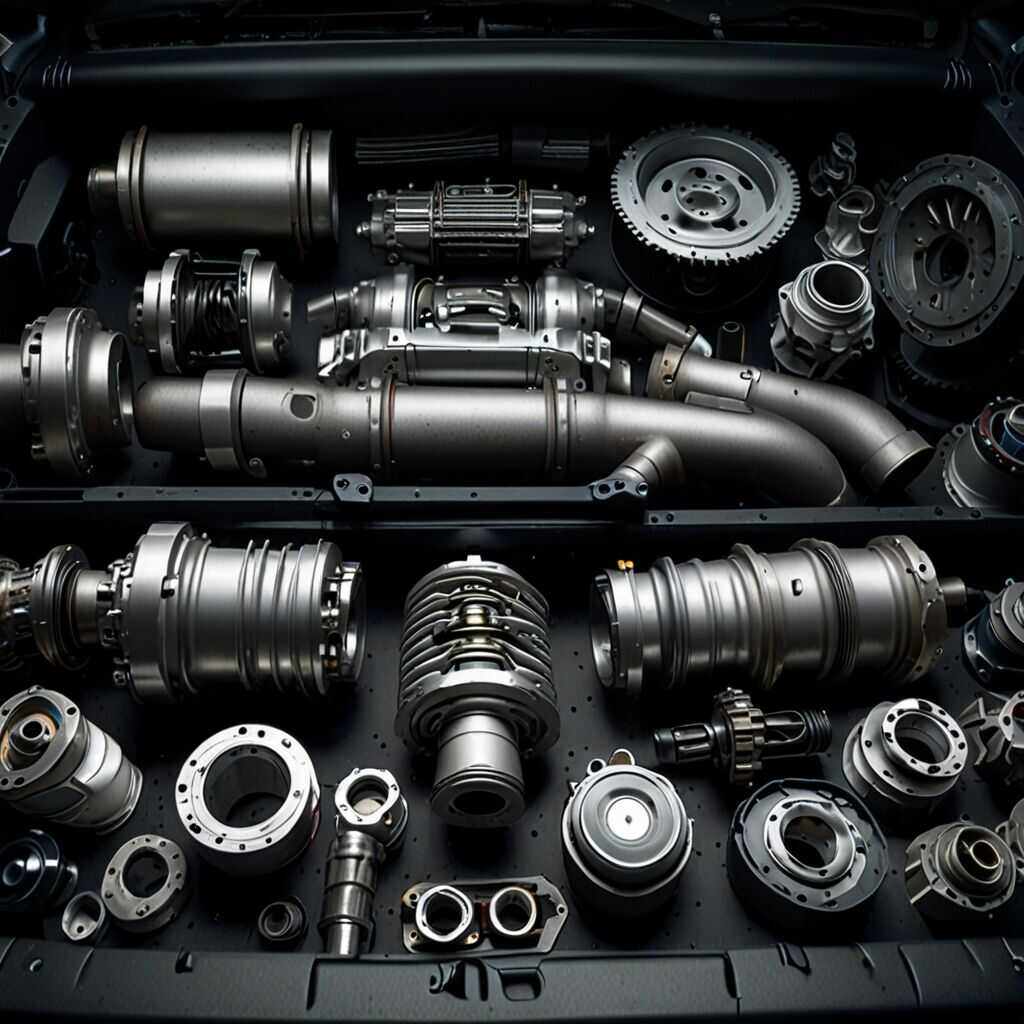
- Improve towing safety with enhanced stability.
- Accommodate heavy loads without strain.
- Minimize sway during transport for peace of mind.
- Hitch a load securely with B&W hitches.
- Enjoy a smoother ride with better weight distribution.
- Save fuel by reducing aerodynamic drag.
- Ensure easy installation for user convenience.
Comparison of Key Factors for Choosing a Gooseneck Fifth Wheel for Heavy Loads
| Feature | Model A | Model B | Model C | Model D | Model E |
|---|---|---|---|---|---|
| Towing Capacity (lbs) | 25,000 | 30,000 | 20,000 | 35,000 | 28,000 |
| Weight (lbs) | 200 | 250 | 180 | 220 | 210 |
| Material | Steel | Aluminum | Steel | Aluminum | Steel |
| Price Range ($) | 500-600 | 700-800 | 400-500 | 750-850 | 650-750 |
| Warranty (years) | 5 | 7 | 3 | 6 | 5 |
| Compatibility | Universal | Ford, GM | Universal | Ford | GM |
Understand the Role of Hitch Pin Connectors in Load Handling
The weight capacity of a gooseneck fifth wheel trailer is primarily defined by its hitch pin connector. Brands like Andersen Hitches emphasize the hitch pin connector’s importance for load handling efficacy. To determine the gross vehicle weight rating (GVWR) for a trailer, check the specific ratings provided by manufacturers such as Reese. Gooseneck towing safety features are mandated by various safety regulations that ensure risk mitigation strategies in towing heavy loads. Effective weight distribution is crucial, as unbalanced loads can lead to trailer sway, reducing towing capacity and increasing hitch pin failure risks. Choosing the right brand-specific and model-specific hitch pins can optimize hitch pin selection criteria and enhance overall load handling. Companies like CURT Manufacturing provide diverse options for reliable hitch pins to suit different needs and reduce risks.
Do Hitch Pin Designs Affect Load Stability?
Hitch pin designs significantly impact load stability through design considerations that balance the cargo weight against the overall GVWR of a trailer. Recent studies have shown that improperly designed hitch pins can reduce stability by up to 20%. Engineers consider hitch pin design aspects and optimal stability features to prevent issues arising from exceeding a trailer’s GVWR. Load safety is closely tied to vehicle and trailer weight ratios, as imbalanced ratios can lead to vehicle instability. Manufacturers like B&W Trailer Hitches provide reliability innovation in pins by incorporating advanced hitch pin stability comparisons and maintenance best practices. By investing in maintainable pin designs, drivers can ensure a safer and more efficient towing experience.
Assess the Durability of Aftermarket Towing Products
Aftermarket towing enhancements play a vital role in boosting fifth wheel performance by offering products tailored for specific needs. In 2022, aftermarket products accounted for 30% of towing equipment sales. When selecting durable aftermarket materials, consider those made from high-quality steel or composite alloys, as these compositions ensure longevity and reliability. Be aware of aftermarket component risks as lower-quality products may negatively impact towing capacity and safety. Verify the towing equipment warranties to balance cost with assurance. Some reliable aftermarket brands like Tekonsha are known for comprehensive equipment warranty comparison, providing peace of mind against potential failures.
What Are the Risks of Aftermarket Components?
The risks of aftermarket components often stem from improper installation perils, which can compromise load safety and handling. Studies indicate that improperly installed parts lead to increased risks of accidents, highlighting the critical nature of quality control in aftermarket part quality impact. Aftermarket components generally require replacement every 12 to 18 months, according to industry standards. Preparing emergency procedure protocols is essential for mitigating risks associated with failure. Reliable brands like Draw-Tite offer detailed guidelines on risk factors in aftermarket use and failure response measures to enhance user safety. Regularly evaluating load safety aspects can help minimize potential issues when choosing aftermarket solutions for a gooseneck fifth wheel setup.
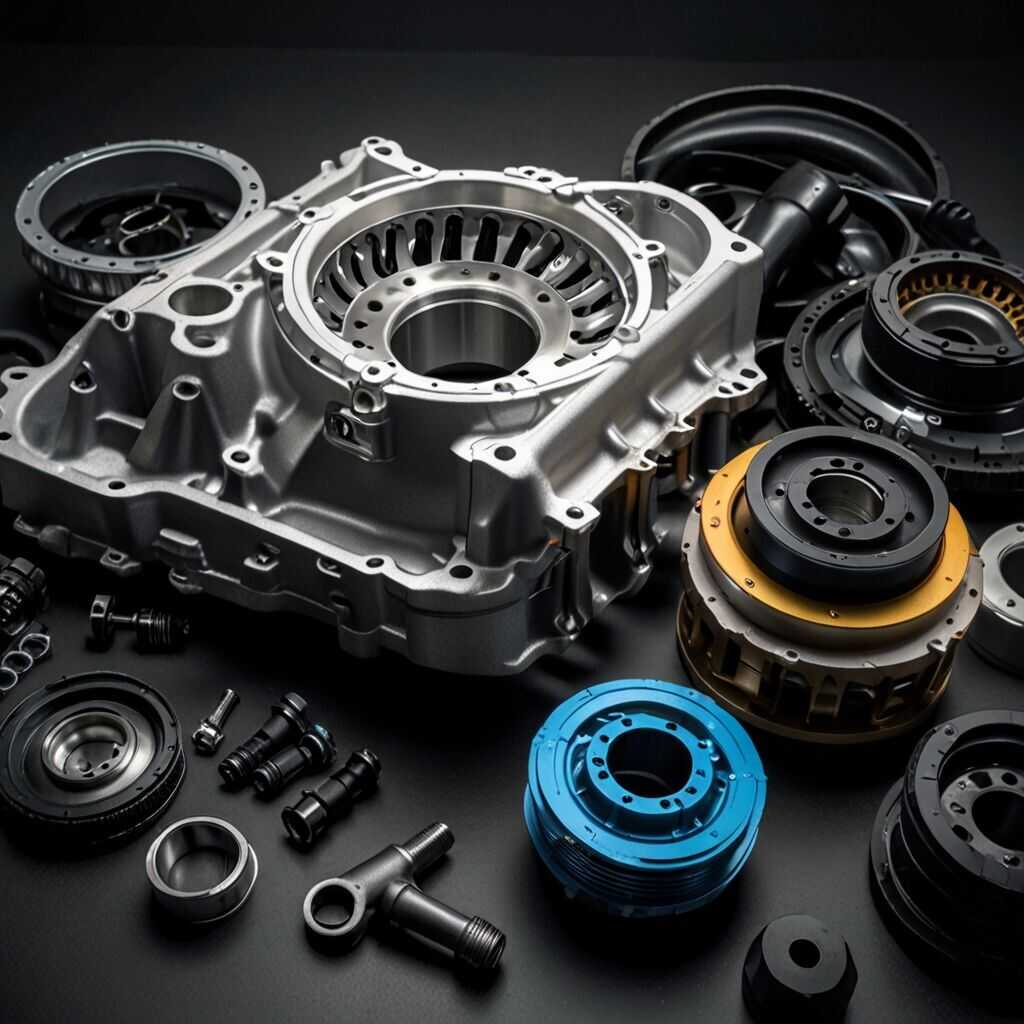
- Haul up to 30,000 pounds effortlessly.
- Hitch’s length ranges from 16 to 25 inches.
- Bend manually with a 5 to 10-degree range.
- B&W connectors handle up to three axles.
- 34 to 36 inches in width accommodate various designs.
- Adjust vertically within 2 to 4 inches.
- Sturdy connectors last up to 10 years on average.
Evaluate Cost Effectiveness of Gooseneck Fifth Wheels
Considering a gooseneck fifth wheel involves weighing multiple cost factors such as purchase price, installation fees, and potential insurance impacts. Initial costs for brands like B&W Trailer Hitches can start around $500, but long-term expense management might significantly alter the total investment. Financing high-end goosenecks, such as those from CURT Manufacturing, is often available through specialized lenders, making them accessible despite higher upfront costs. Calculating the fifth wheel ROI involves a detailed cost versus benefit analysis, including potential resale value and maintenance projections, which justify the investment.
How Do Maintenance Costs Influence Total Ownership?
Routine maintenance necessities for fifth wheels include checks on brakes, lights, and lubrication of moving parts for brands like Reese and Demco. Changes in maintenance cost variability can skew an owner’s budget management, with average maintenance costs sometimes rising 10% annually due to wear and aging. Model-specific maintenance factors, such as the quality of axle components in a Reese trailer, can lead to varying maintenance costs where some models might incur 20% higher expenses. In a total ownership cost analysis, the maintenance cost breakdown generally attributes around 15% to 20% of the total cost to maintenance, making budget-friendly practices crucial.