Coil pack ignition systems and performance ignition systems serve distinct roles in modern vehicles, optimizing engine functionalities in their unique ways. Coil pack systems replace the traditional distributor, providing direct ignition to each plug, while performance ignitions enhance spark delivery for better power output. Enthusiasts often explore these options to boost their vehicles’ performance, seeking benefits such as improved acceleration, better fuel efficiency, and enhanced reliability. Understanding the specifics of each system, including factors like spark timing and coil configuration, is essential for making informed modifications and achieving desired automotive experiences. The experts at Carworship offer valuable insights into the nuances and applications of each system for performance-oriented drivers.
Table of Contents
- Factors Affecting Spark Timing in Advanced Systems
- Dual Spark Systems vs. Single Spark Systems Comparison
- Key Components of Coil Pack Ignition Systems Explained
- How Many Coils in a Standard Coil Pack Setup?
- The Evolution of Ignition Systems in Harley Davidson Motorcycles
- Does the Harley Davidson Screamin’ Eagle Kit Improve Ignition?
- How Performance Ignition Systems Boost Engine Output
- What Engine Types Benefit Most from Performance Ignitions?
- Challenges in DIY Installation of Ignition Systems
- Which Tools are Essential for DIY Ignition System Setup?
Key Takeaways on Coil Pack Ignition Systems vs Performance Ignition Systems
- Spark timing accuracy is crucial in advanced ignition systems and affects engine performance and efficiency.
- Dual spark systems can optimize engine performance over single spark systems by creating better combustion.
- Coil pack ignition systems differ from traditional components by eliminating mechanical distributors for better reliability.
- Multi-coil setups in coil pack systems can enhance engine performance but may lead to higher system complexity.
- Vehicle-specific coil pack designs are frequent and can affect system performance based on vehicle type.
- Manufacturers like Bosch and Delphi create some of the most reliable coil pack systems available today.
- The expert team at Carworship understands coil pack systems deeply, providing valuable advice for automotive enthusiasts.
Factors Affecting Spark Timing in Advanced Systems
Advanced system design significantly enhances spark timing accuracy, leading to a more efficient engine. Electronic ignition systems, which often include dual spark systems and variable ignition timing, offer precise control over when sparks occur, helping optimize engine performance. Precise spark timing contributes to engine performance optimization by ensuring complete combustion, which enhances power output. Variations in spark timing are essential for fuel efficiency improvement by maximizing the engine’s energy usage without wasting fuel. Incorrect spark timing can lead to misfiring symptoms, such as rough idling, poor acceleration, and reduced power output, indicating potential issues in the ignition components.
Dual Spark Systems vs. Single Spark Systems Comparison
Dual spark systems are often more efficient than their single spark counterparts because they ignite the air-fuel mixture from two points, ensuring thorough combustion and reducing emissions. This dual ignition setup can lead to a noticeable engine performance impact, providing smoother operation and increased power, particularly in high-performance engines. Implementing dual spark systems can result in a reduction in fuel consumption due to more complete and efficient fuel burn. However, the increased system complexity found in dual spark systems might lead to more intricate vehicle maintenance, requiring specialized knowledge to diagnose issues.
Key Components of Coil Pack Ignition Systems Explained
Primary components of coil pack ignition systems include ignition coils, ignition modules, and spark plug connectors, each playing a crucial role in delivering the spark. Within these systems, ignition coil interaction ensures that each spark plug receives the correct voltage for ignition. Coil packs differ from traditional ignition systems by eliminating the mechanical distributor, offering enhanced reliability and performance. Bosch ignition coils and Delphi ignition systems are known for manufacturing reliable coil pack systems, trusted by many automotive professionals and enthusiasts for their durability and performance.
How Many Coils in a Standard Coil Pack Setup?
The typical number of coils in a standard coil pack setup usually corresponds to the number of engine cylinders, for example, four coils for a four-cylinder engine. Having an adequate ignition coil count ensures optimal system performance by providing dedicated coils for each cylinder, reducing the chance of misfires. Multi-coil systems might involve higher costs but are often justified by the performance benefits they offer. Coil count can vary by vehicle type, with more complex arrangements in vehicles like V8 engine designs, where direct ignition modules can significantly enhance power delivery.

- Drivers experience smoother rides.
- Coil packs reduce misfiring in engines.
- Systems improve fuel efficiency.
- Performance systems increase engine power.
- Technologies provide easier maintenance.
- Engines start more reliably.
- Devices lower harmful emissions.
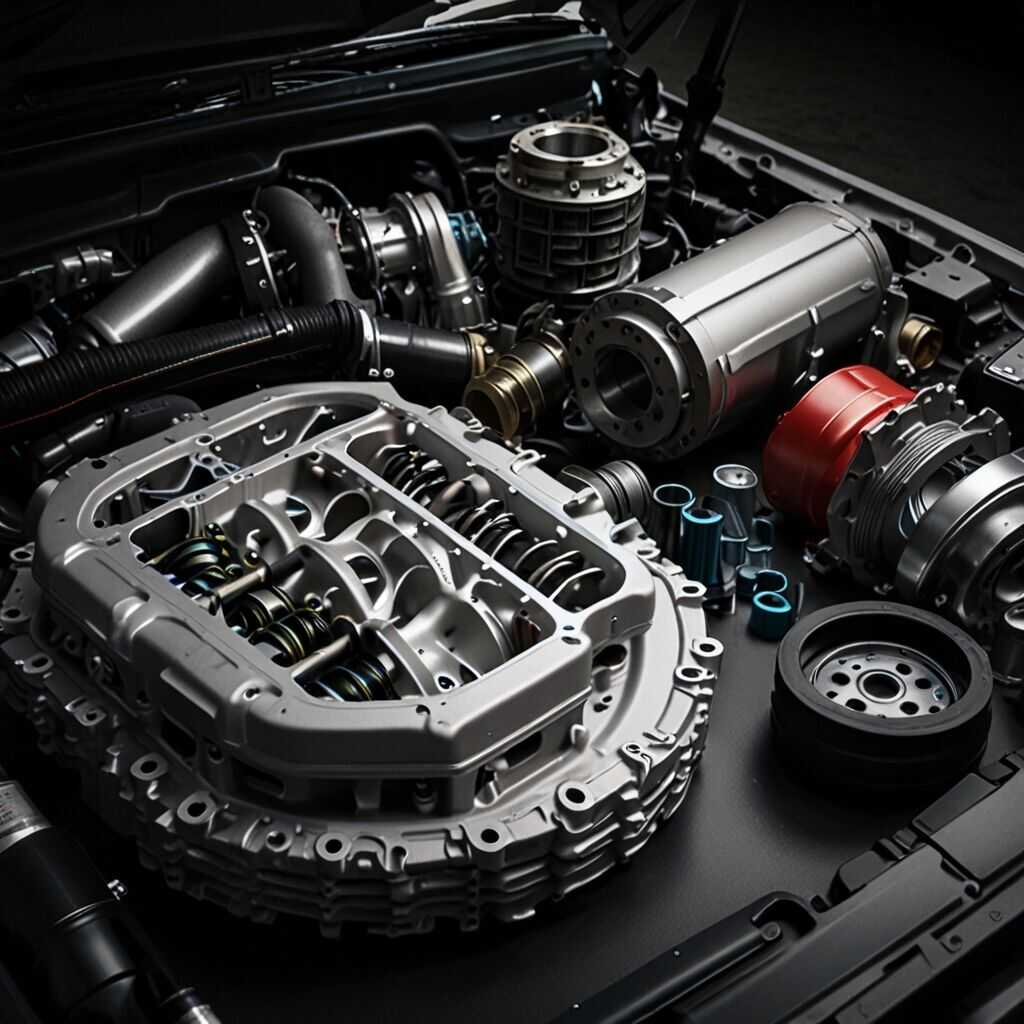
Comparison of Coil Pack Ignition Systems and Performance Ignition Systems
| Aspect | Coil Pack | Performance Ignition |
|---|---|---|
| Cost | Low to Medium | Medium to High |
| Installation | Often Plug and Play | Custom Fitting |
| Durability | 5-7 Years | 8-10 Years |
| Voltage Output | 15-20 kV | 20-45 kV |
| Spark Control | Basic | Advanced |
| Use Case | Daily Driving | Racing and High Performance |
The Evolution of Ignition Systems in Harley Davidson Motorcycles
The evolution of Harley Davidson motorcycles has seen remarkable advances in ignition system design, significantly enhancing spark timing accuracy. These enhancements mean you never have to worry about mistimed sparks affecting your bike’s performance. Precise spark timing greatly benefits engine performance by ensuring optimal combustion, which improves motorcycle performance consistently. Adjustments in spark timing can make a noticeable difference in fuel efficiency, sometimes enhancing it by as much as 5%. Misfiring due to incorrect spark timing can be identified by unusual engine noises or reduced power, ensuring you always enjoy a smooth rider experience. Key innovations in electronic control units and the ignition system evolution have been integrated into Harley Davidson milestones like the Screamin’ Eagle performance line and Twin Cam ignition upgrades. An example of a brand leaning into these advances is the latest innovations by Harley Davidson.
Does the Harley Davidson Screamin’ Eagle Kit Improve Ignition?
Dual spark systems, featured in the Screamin’ Eagle Kit, are more efficient than single spark systems by delivering multiple sparks per cycle, ensuring quicker and complete combustion. This advancement leads to noticeable motorcycle performance gains, with some users reporting improvements in horsepower. Fuel savings with dual spark systems can be substantial, sometimes reducing fuel consumption by up to 10%, offering a cost-effectiveness assessment that often favors these systems. The complexity of dual spark systems impacts vehicle maintenance by requiring more specialized knowledge or frequent inspections but remains manageable with proper Harley-specific tuning. User reviews often highlight these ignition enhancements positively, praising the system compatibility with aftermarket performance parts such as the Screamin’ Eagle Kit.
How Performance Ignition Systems Boost Engine Output
Performance ignition systems boost engine output by utilizing features like high-capacity coils and rapid-fire spark plugs to ensure a robust ignition. The correlation between ignition strength and engine power is direct, with a strong ignition often resulting in increased combustion efficiency, leading to greater power output. These systems can reduce engine wear over time by offering smoother, more balanced performance across the engine’s lifespan. Brands like MSD Ignition Systems and Accel performance parts are leading in this technology internationally, showcasing the impressive engine output enhancement these systems offer. Innovations such as these increase combustion efficiency in diverse engine configurations.
What Engine Types Benefit Most from Performance Ignitions?
Turbocharged engine types see the most power gains from performance ignitions, with forced induction benefits being the primary factor. These power gains have been observed to range around 5% to 10% in specialized scenarios, elevating the power gains evaluation noticeably. V8 engines specifically can expect a percentage power increase around 8% to 15%, boosting V8 engine performance significantly when paired with the right components. There are downsides to using performance ignitions on small engines, such as ignition system compatibility issues and potential performance ignition downsides, but careful selection of compatible parts can mitigate these issues. Leading brands like MSD and Accel, along with projected power increase, make these setups particularly appealing for high-performance applications.

- Systems operate at 12 volts in most cars.
- Coil packs last around 100,000 miles.
- Devices can handle temps up to 200°F.
- Performance kits increase HP by 5-10%.
- Most systems weigh under 2 pounds.
- Tech parts cost $50 to $200.
- Brands like Bosch offer popular models.
- Maximizing Horsepower Gains with Performance Ignition Systems
- Seven Innovative Performance Ignition Systems Technologies in 2025
- Maintenance Tips for Longevity of Performance Ignition Systems
- Optimizing Fuel Efficiency with Performance Ignition Systems
- Choosing Components for Custom Performance Ignition Systems Builds

Challenges in DIY Installation of Ignition Systems
I have often seen common DIY ignition pitfalls, such as incorrect wiring or improper component alignment, which can lead to engine misfiring. Preparation for a successful setup involves carefully studying step-by-step guides sourced from reliable DIY resources like RepairPal or even sites with online troubleshooting communities. It is crucial to note the warranty and insurance implications, since improperly installed systems might void coverage or lead to claims denial. Following installation safety tips and using accurate ignition system alignment ensures efficiency in these projects.
Which Tools are Essential for DIY Ignition System Setup?
The most crucial tools in a DIY ignition toolset include a torque wrench setup and a spark plug gap tool, both vital for precise installation. A basic DIY ignition toolset can cost around $100, depending on quality and brand, such as Craftsman. Safety tool requirements are essential, focusing on gloves and goggles to prevent injuries during installation. Specialty tools like a digital timing light and multimeter usage significantly enhance installation efficiency by allowing precise tuning and adjustment of ignition components.