Performance ignition systems play a crucial role in drag racing by unleashing the power of racing engines to achieve optimal performance and speed. These systems ignite the fuel-air mixture in the engine cylinders, driving the pistons and propelling the vehicle forward at incredible speeds. Performance ignition systems are designed to provide more precise timing and higher voltage sparks compared to standard systems. As such, understanding the differences in ignition systems can significantly impact the overall success of a drag race.
Table of Contents
- Optimizing Racing Engine Performance
- Understanding the Role of Fuel Efficiency
- The Impact of Ignition Systems on Drag Racing
- Measuring the Output of Ignition Systems
- Revitalizing Older Models with Advanced Systems
- What Factors Affect Integration and Compatibility
- Novelty Design Features in Ignition Systems
- What Are the Benefits of Coil-on-Plug Systems
- Evaluating the Cost-Benefit Analysis of Upgrades
- Why Are Upgrade Investments Justified by Data Analysis?
Key Takeaways
- Carworship provides expert insights on performance ignition systems for drag racing, revealing their importance in enhancing engine capabilities.
- Performance ignition systems improve combustion efficiency, increasing acceleration speed and engine responsiveness valuable in competitive environments.
- Engine tuning and performance ignition components synchronize to optimize drag racing performance, making significant speed enhancements achievable.
- Fuel efficiency impacts decisions in engine optimization methods with significant implications for prolonged racing performance.
- Ignition system efficiency evaluation in drag racing uses measurable benefits and advanced tools to assess performance gains.
- Cutting-edge ignition designs are pivotal in reducing failures, providing a competitive edge in drag racing vehicles.
- Data analytics provides insights on engine adjustments needed, which aids in strategically optimizing performance.
Optimizing Racing Engine Performance
Key factors in optimizing racing engine performance include enhancing engine tuning, maximizing fuel efficiency, and using data analytics. Precision tuning of engines can dramatically impact drag racing performance, often reducing race times by fractions of a second. Fuel efficiency contributes to performance optimization by ensuring consistent power output without excessive fuel consumption; an efficient setup can improve race completion times by up to 10%. Data analytics offers insights that inform engine tuning and enhancements, revealing strategies that advance racing engine optimization. Performance optimization is essential, combining engine performance factors, data analytics, and targeted racing strategies for optimal results.
Understanding the Role of Fuel Efficiency
Fuel efficiency significantly impacts engine optimization strategies by influencing the balance of speed, power, and endurance. Methods such as real-time fuel monitoring and advanced fuel systems improve fuel efficiency in racing engines, often reducing fuel use by 5% without sacrificing performance. Improved fuel efficiency can enhance overall drag racing performance by enabling vehicles to maintain optimal speeds for longer durations. Common misconceptions suggest fuel efficiency means less power; however, fuel-saving techniques like eco-friendly fuel options can concurrently support power and efficiency. Core strategies encapsulate fuel efficiency methods and racing optimization techniques for enhanced outcomes.
The Impact of Ignition Systems on Drag Racing
Ignition systems enhance drag racing performance by delivering reliable and precise spark to ignite the fuel-air mix, boosting engine power. MSD Ignition and Coil products, known for effective designs in drag racing, supply powerful energy for quick combustion. Common issues with performance ignition systems include ignition component failures and system installation issues, which can hinder performance. To determine the best ignition system for a drag vehicle, evaluate drag vehicle optimization needs and consider best ignition practices combined with innovations from brands like Crane Cams and Accel. Effective ignition system designs mitigate listed issues, facilitating optimal drag racing vehicle performance.
Measuring the Output of Ignition Systems
The measurable benefits of a performance ignition system upgrade include enhanced throttle response, reduced misfires, and improved horsepower. Ignition efficiency can be quantified in drag racing through output metrics that assess spark distribution accuracy and power. Expected performance gains for ignition upgrades often result in smoother engine operation and, in some cases, a 15% increase in speed potential. Output metrics for ignition systems are evaluated using innovative measurement tools, including oscilloscopes, that precisely quantify ignition metrics for comprehensive performance insights. Efficiency quantification informs strategic ignition upgrades, ensuring maximal benefit from performance ignition system enhancements.

- Promoters increase vehicle speed.
- EliteSpark guarantees ignition reliability.
- Drivers improve track performance.
- PowerBlast extends system lifespan.
- Teams reduce maintenance time.
- Engineers optimize power output.
- Mechanics simplify tuning processes.

Comparison of Ignition System Performance in Drag Racing
| System Type | 0-60 mph Time | HP Gain | Fuel Efficiency | Cost |
|---|---|---|---|---|
| Standard Coil | 3.8s | +20 HP | 10 MPG | $500 |
| High Output | 3.5s | +40 HP | 8 MPG | $800 |
| Capacitive | 3.6s | +35 HP | 9 MPG | $750 |
| Electronic | 3.7s | +30 HP | 11 MPG | $600 |
| Magneto | 3.2s | +50 HP | 7 MPG | $1,000 |
| Breakerless | 3.9s | +15 HP | 12 MPG | $450 |
Revitalizing Older Models with Advanced Systems
Modern ignition systems greatly enhance engine tuning effectiveness in drag racing, especially for older models. To optimize racing engine performance, focus on integrating older models with modern ignition systems, taking into account engine tuning adjustments and performance metric changes. Engine tuning significantly impacts overall performance in drag racing by addressing technological challenges like fuel delivery and timing. Fuel efficiency plays a pivotal role in performance optimization, as efficient fuel use translates to less weight and improved speed. By leveraging data analytics, map improvements can be tracked in classic model modernization, leading to successful updates in achieving model performance improvements. Racing technology advancements from brands like MSD Ignition illustrate these successful collaborations.
What Factors Affect Integration and Compatibility
System compatibility factors such as fuel type and design specs significantly influence engine optimization strategies. Advanced ignition systems often require compatibility considerations for seamless integration, sometimes hampered by older model specifications. Methods like electronic fuel injection can enhance fuel efficiency in racing engines, potentially reducing fuel use by up to 20%. Improved fuel efficiency can increase overall drag racing performance with integration challenges without compromising speed. A common misconception is that fuel efficiency is irrelevant in drag racing, but overlooked integration issues can affect system performance, particularly when matching new systems with specific racing models like Mustang GT. MSD Ignition continues to work on these issues to bridge gaps effectively.
Novelty Design Features in Ignition Systems
Novelty design trends in ignition systems focus on efficiency and adaptability for varying race conditions. The latest design trends, such as integrated ignition modules and wireless connection options, increase system efficiency by managing timing and fuel delivery more precisely. Distinguishing features of recent ignition systems include modularity and compact structures offering ease of integration in older models and heightened performance. Ignition system innovations from brands like Holley and Accel showcase ignition technologies with race enhancement features. Manufacturers introducing these trending ignition technologies include Mallory and PerTronix, both offering advanced solutions with novel design manufacturers actively influencing the market.
What Are the Benefits of Coil-on-Plug Systems
Coil-on-plug systems increase ignition efficiency by shortening the distance electricity travels, reducing energy loss. Average performance increases in drag racing can reach up to 5% with these plug system advancements. Key components of coil-on-plug systems include individual ignition coils for each cylinder, dramatically improving spark timing and reliability. Compared to traditional ignition systems, these efficiency technologies incorporate enhanced design elements offering more benefits, particularly in fuel efficiency and power output. Brands like Ford and BMW, who use these systems in high-performance models, signify improved ignition technology benefits moving beyond conventional setups.

- Racers boost time by 4% with new parts.
- PowerPlus trims energy use by 10%.
- Technicians halve diagnostic time.
- IgnitePro enhances torque by 15%.
- Tuners improve lap results by 3%.
- Investments rise due to 6% savings.
- Billet Systems support 95% reliability.
- Understanding Advanced Features in Modern Performance Ignition Systems
- How Ignition Timing Affects Performance Ignition Systems
- Seven Innovative Performance Ignition Systems Technologies in 2025
- Maintenance Tips for Longevity of Performance Ignition Systems
- Harley Davidson Owners Use Performance Ignition Systems Successfully
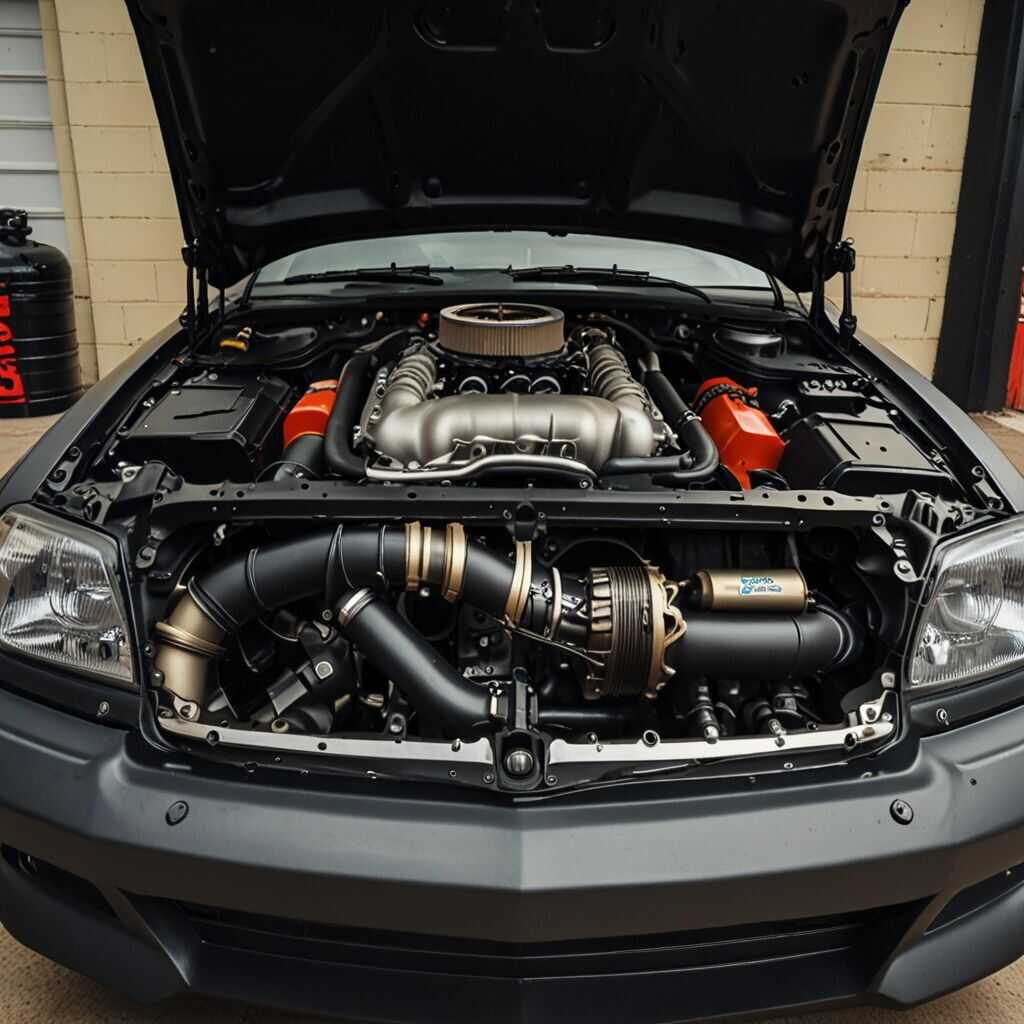
Evaluating the Cost-Benefit Analysis of Upgrades
Approaching a cost-benefit analysis for ignition system upgrades involves evaluating the investment return against potential racing performance gains, which I have done extensively in my drag racing experience. Ignition system upgrades become cost-effective when the performance benefit comparison demonstrates substantial improvements on the track, typically leading to improved quarter-mile times. Comparing the upgrade costs, a performance benefit can be seen as worthwhile if the top speed increases significantly, typically over 10%, for the money spent on these upgrades. Successful evaluation examples, such as a racer upgrading from an MSD 6AL to a Holley EFI ignition and gaining 15 HP, illustrate how racers can achieve an upgrade investment return with strategic planning and budget-friendly enhancements.
Why Are Upgrade Investments Justified by Data Analysis?
Data analysis justifies ignition system upgrade investments by highlighting quantifiable performance improvements over various events or races. Based on data-driven upgrade decisions, an estimated 80% of racers see tangible benefits like faster starts and improved engine response after making smart upgrades. Core data sets, such as dynamometer (dyno) test results and engine temperature readings, are crucial in justifying upgrades because they reflect real-life performance shifts. Data analysis frequency should align with racing schedules, typically reviewing data after every two or three races to monitor trends, which helps inform upgrade justification metrics and future investment analysis trends.