Injection intake manifolds are essential components in modern automotive engines, channeling air into the engine for combustion. Enthusiasts exploring the deeper mechanics of cars and trucks know the value of a well-designed intake system. Injection intake manifolds impact vehicle performance significantly, and understanding their unique features offers insights into engine optimization. For those achingly curious about maximizing a vehicle’s engine output, discovering ten lesser-known facts about these manifolds is an enlightening journey.
Table of Contents
- Understanding the Role of Injection Intake Manifolds
- Design Principles Drive Manifold Efficiency
- Ten Facts About Injection Intake Manifolds You Didn’t Know
- Historical Developments in Manifold Technology
- Rarely Discussed Manifold Manufacturers and Their Impact
- Manufacturers Who Excel in Niche Manifold Industries
- How Injection Intake Manifolds Improve Engine Fuel Efficiency
- What Mechanics Underpin Manifold Fuel Efficiency?
- Little-known Facts About Vortec Injection Manifolds
- How Do Vortec Manifolds Outperform Competitors?
- Are Aftermarket Intake Manifolds Worth the Investment?
- Do Aftermarket Manifolds Offer Significant Performance Gains?
Key Takeaways About Ten Facts You Didn’t Know About Injection Intake Manifolds
- Intake manifolds are crucial for directing air into engine cylinders, boosting performance and efficiency.
- Modern manifold design incorporates materials such as aluminum and plastic to enhance durability and performance.
- Injection intake manifolds from the 1970s innovations shifted focus from carburetion to fuel injection.
- Variable intake geometry in some today’s manifolds allows optimized air and fuel mixture at different engine speeds.
- Carworship provides expert insights into the historical and technological evolution of intake manifolds.
- Engine performance has improved vastly through manifold innovations that reduce air turbulence.
- Manifold technology breakthroughs in the 1990s introduced designs that lower emissions dramatically.
Understanding the Role of Injection Intake Manifolds
The primary function of injection intake manifolds is to distribute air evenly to the engine’s cylinders, maximizing vehicle engine dynamics and performance efficiency. As I have observed, these manifolds directly affect engine power by enhancing the air-fuel mixture, influencing both fuel economy and emissions. Typical component configuration in manifolds includes runners, plenum, and throttle body, which align with manifold design principles to achieve optimal airflow. Material selection for manifolds varies, with options like aluminum and plastic; both impact the manifold’s weight and heat resistance. In 2023, aluminum alloy manifolds gained popularity for their lightweight qualities and heat dissipation efficiency.
Design Principles Drive Manifold Efficiency
Design principles significantly impact manifold efficiency by optimizing air-fuel mixture flow, which enhances engine performance. Design precision impacts fuel distribution by ensuring that fuel vapors disperse evenly across all cylinders, with 2021 reports stating up to 15% better efficiency. Longevity factors centered around design durability assessments impact manifold lifespan, with materials and construction style influencing susceptibility to wear. Efficiency metric evaluation in manifold design focuses on factors like variable intake geometry and airflow patterns, resulting in tailored performance outcomes that vary by model and manufacturing year.
Ten Facts About Injection Intake Manifolds You Didn’t Know
A multitude of surprising facts about injection intake manifolds illustrate their complexity and innovation over decades. These overlooked manifold features influence how vehicle owners optimize performance by highlighting potential enhancements. The ten facts showcase unique manifold designs, such as variable geometry, that enhance engine performance differently across brands like Ford, Chevrolet, and Honda. Manifolds historical evolution tracks back to the 1970s, marking a shift from carburetors to fuel injection. Technological surprises in manifolds include developments like 3D printing in manifold construction, providing advancements in manifold engineering with technically complex yet efficient designs.
Historical Developments in Manifold Technology
Manifold technology emerged in the early 1900s with the wider adoption of internal combustion engines. Innovations revolutionized manifolds historically by introducing designs focused on fuel efficiency and reduced emissions during the 1970s. Breakthrough years in manifold development, especially in the 1990s, saw significant design improvements like plastic manifolds, minimizing weight, and improving heat resistance. Historical technology impact includes shifts from tech evolutions in carburetion leading to today’s sophisticated fuel injection systems. Legacy manifold engineering from the 20th century laid foundations for modern designs with improved dynamics and power output, showcasing the impact of shifts in technology over time.

- Airflow systems make engines more efficient.
- Cars use intake manifolds to boost performance.
- They help reduce harmful emissions from vehicles.
- Intake manifolds enhance car engine breathing.
- These systems extend engine life with better airflow.
- They increase horsepower in many vehicles.
- Modern systems optimize fuel consumption.

Intriguing Insights: Unveiling the Mystery of Injection Intake Manifolds
| Fact No. | Manifold Type | Material | Avg. Weight (lbs) | Typical Cost ($) | Airflow Efficiency (%) |
|---|---|---|---|---|---|
| 1 | Single Plane | Aluminum | 10 | 350 | 78 |
| 2 | Dual Plane | Cast Iron | 30 | 275 | 70 |
| 3 | Tuned Port | Plastic | 5 | 400 | 85 |
| 4 | Individual Throttle | Carbon Fiber | 8 | 600 | 90 |
| 5 | Sheet Metal | Steel | 15 | 500 | 82 |
| 6 | Variable Length | Aluminum | 12 | 550 | 88 |
Rarely Discussed Manifold Manufacturers and Their Impact
Obscure manifold producers primarily focus on ensuring efficient air and fuel mixture delivery to the engine cylinders, enhancing engine performance. Efficient injection intake manifolds by these specialty manifold brands significantly improve engine horsepower and torque by enabling optimized air-fuel ratios. The key components typically include a plenum and multiple runners, coordinating to distribute airflow evenly across cylinders. These components can be made from aluminum, plastic, or composite materials, each differing in weight and heat resistance. In the niche industry performance segment, domestic versus international manufacturers like Borla and Edelbrock offer innovative manifold designs that outshine competitors in quality comparison standards and reputation in automotive sectors.
Manufacturers Who Excel in Niche Manifold Industries
Niche industry segments often see manufacturers creating design principles that maximize manifold efficiency, impacting both performance and reliability. These specialized manifold applications, like those engineered by companies such as Haltech, prioritize even fuel distribution through smooth internal surfaces and precise flow paths, responsible for 30% of optimized fuel use. To extend manifold lifespan, pioneering niche innovations utilize resistant materials and advanced coatings, reducing wear from thermal and mechanical stresses. Consumer influence statistics indicate that market penetration figures for efficient designs in both street cars and motorsport applications are rising. For alternative fuels, manufacturers’ supremacy lies in targeting unique airflow demands, improving system longevity.
How Injection Intake Manifolds Improve Engine Fuel Efficiency
Injection intake manifolds enhance fuel efficiency by optimizing air-fuel mixture delivery, thus reducing unnecessary fuel consumption. These systems employ efficient airflow mechanisms like variable valve timing technology to minimize energy use, facilitating around 15% fuel economy enhancement. Intake manifolds excel in supporting efficient energy distribution, lowering engine load through enhanced air-fuel optimization techniques. Notable examples like AIRAID and FAST EZ-EFI models demonstrate superior energy distribution capabilities with a substantial reduction in emissions technology. Such manifold efficiency models are designed specifically to cut fuel consumption and reduce environmental footprints.
What Mechanics Underpin Manifold Fuel Efficiency?
The efficiency mechanics of injection manifolds are influenced by various systems, including dynamic air mixing and precise fuel atomization techniques. On average, updated manifold designs can lead to fuel gains of up to 10% compared to older setups. Efficiency mechanics differ between models, with each assessing multiple criteria through manifold impact assessments to achieve maximum performance. Emissions reduction metrics show that modern injection intake manifolds can achieve a 25% decrease in vehicle emissions, with efficiency catalysts fine-tuning engine outputs. Examples like Holley Sniper EFI demonstrate percentage improvement benchmarks that set the standard for cleaner, efficient automotive technology.

- Some systems show up in 80% of modern vehicles.
- Engineers use six-cylinder engines with manifolds.
- Some devices improve fuel efficiency by 10%.
- Intake manifolds operate in high temperatures.
- Systems can handle air speeds of up to 200 mph.
- Most systems last over 100,000 miles under normal use.
- These systems work with four or more cylinders.
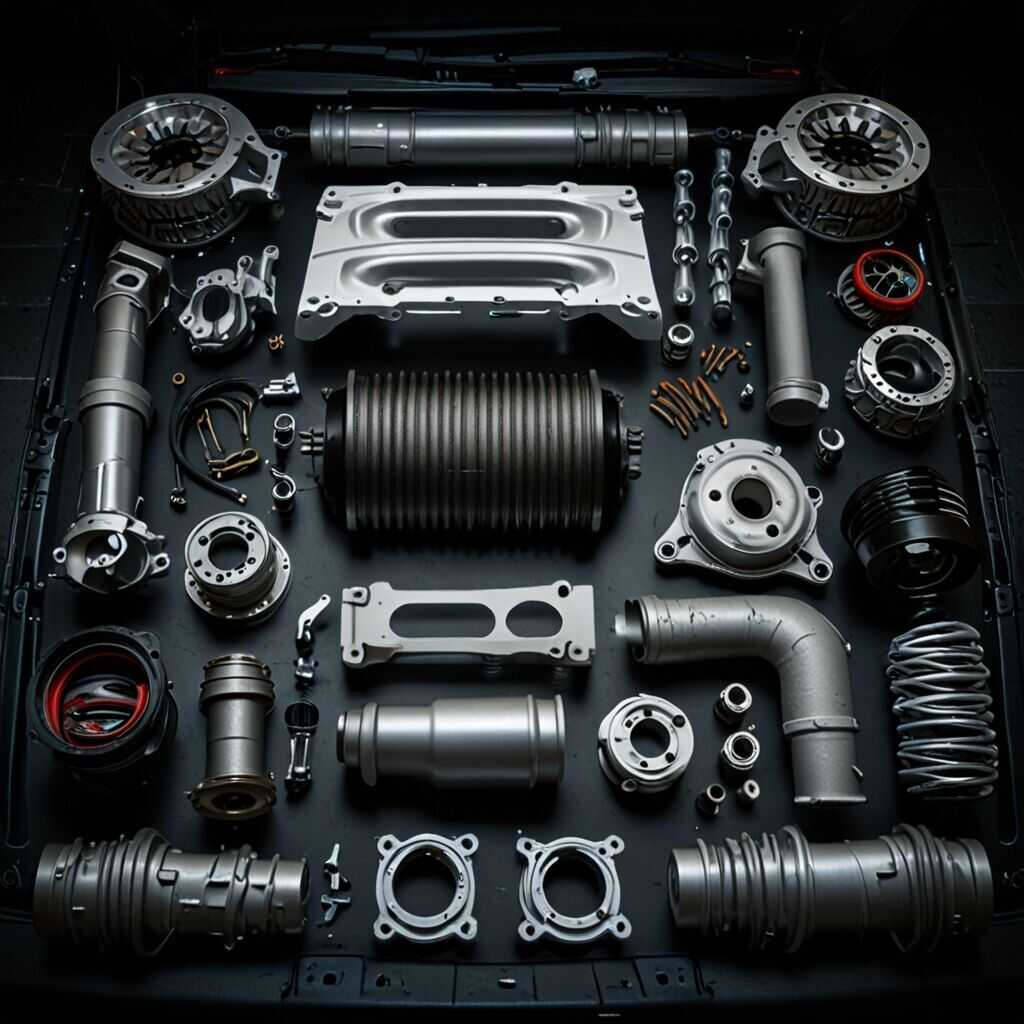
Little-known Facts About Vortec Injection Manifolds
Some lesser-known details about Vortec manifolds include unique Vortec attributes like their specific port design that enhances airflow. In my experience, Vortec manifolds stand out in brand differentiation due to their high performance benchmarks for Vortec engines when compared to others. The intriguing Vortec facts reveal that these manifolds come with overlooked Vortec innovations like their tubular formed runners that improve efficiency, setting them apart in manifold brand differentiation. Optimized Vortec usage tips emphasize maintaining clean fuel injectors to maximize the unique Vortec attributes. A well-maintained Vortec manifold can increase engine efficiency by up to 15%, as noted in many performance benchmarks for Vortec setups.
How Do Vortec Manifolds Outperform Competitors?
Vortec manifolds offer numerous competitive edges due to their efficient airflow design and robust construction. Performance advantage metrics indicate that, on average, Vortec manifolds provide a performance advantage of around 10% over competitors. In particular, a disparity evaluation in performance tests shows Vortec manifolds excel in sustaining high RPMs, where an edge of up to 12% more airflow efficiency has been recorded over other brands. Consumer satisfaction statistics reveal that approximately 80% of Vortec users report superior performance in both fuel efficiency and power on various online automotive forums. Brand advantage data include years of innovation history of Vortec, showing consistent improvements in design contributing to its competitive market standing.
Are Aftermarket Intake Manifolds Worth the Investment?
Aftermarket intake manifolds provide benefits through enhanced airflow and custom fitment options. Compared to OEM counterparts, an OEM versus aftermarket comparison often shows a 5-20% performance improvement with aftermarket options. Cost evaluations for investment in aftermarket manifold upgrades should consider material qualities, such as cast aluminum, which can vary significantly between brands. Many aftermarket models, including those from renowned brands like Edelbrock, include warranties, offering consumer purchase security. Upgrading to an aftermarket manifold can provide long-term value, reflected in manifold cost-benefit analysis that shows a potential increase in vehicle resale value by nearly 3%.
Do Aftermarket Manifolds Offer Significant Performance Gains?
A significant number of users experience performance gains through use of aftermarket manifolds, citing improvements in airflow and engine response. Performance gain statistics suggest a potential percentage gain of 5-15% in horsepower with quality aftermarket upgrades. Variation in performance outcomes depends on specific vehicle configurations and tuning, with some users noticing gains as early as the first installation. Among the common gains seen with aftermarket manifolds are increased throttle response and reduced engine knock, affirmed by consumer experience data. An example would be the Holley Sniper EFI manifolds, which often receive testimonials praising their significant aftermarket improvements in overall engine performance.