Carbon fiber seat assemblies offer greater weight savings than aluminum counterparts in racing vehicles. Many car enthusiasts consider carbon fiber as the pinnacle of lightweight racing materials, making it highly desirable in the competitive racing world. Its combination of superior strength, sleek appearance, and reduced weight plays a crucial role in enhancing the performance of cars and trucks. Racing enthusiasts often compare carbon fiber and aluminum to find the ideal balance between weight savings and durability. This article provides a detailed comparison of these materials, delving into factors such as durability, material composition, and weight ratios.
Table of Contents
- Racing Seat Durability and Performance Factors
- Material Composition and Its Impact on Durability
- Analyzing Carbon Fiber and Aluminum Weight Ratios
- What Is the Ideal Weight for Racing Seats?
- The Impact of Ergonomics in Racing Seats
- Thermal Management in Racing Seat Ergonomics
- Compatibility of Seat Assembly with Racing Car Models
- What Is the Process of Ensuring Seat Compatibility?
- Why Carbon Fiber Reduces More Weight in Aluminum Comparisons?
- How Do Hybrid Designs Combine Carbon Fiber and Aluminum?
Key Takeaways on Carbon Fiber vs Aluminum Racing Seat Assemblies for Weight Savings
- Carbon fiber racing seats significantly reduce vehicle weight compared to aluminum seating options due to superior weight efficiency.
- Racing seat durability can be impacted by material choices, with carbon fiber known for its strength and resilience in high-performance conditions.
- Material composition directly affects the seat’s lifespan, with composites offering enhanced fatigue resistance over aluminum seats.
- Racing conditions, including temperature and humidity, can affect seat longevity, making durability testing crucial for manufacturers.
- Weight ratios in seat assemblies influence racing performance substantially, with carbon fiber optimizing speed and handling.
- Manufacturers like Carworship lead the market by offering both carbon fiber and aluminum racing seats, prioritizing durability and weight savings.
- Racing seat weight regulations and standards ensure safety and performance, with recommended weight ranges for optimal racing conditions.
Racing Seat Durability and Performance Factors
Long-term durability concerns of racing seats are pivotal in high-performance applications. Racing seat products, when improperly maintained, can give in to regular wear, especially under intense racing conditions. In my experience as a racing enthusiast, material choices impact racing seat performance substantially. For instance, carbon fiber offers more flexibility and strength than aluminum, which can deform under pressure. Statistics from recent durability testing results show that carbon fiber sustains impacts better than aluminum in crash tests. Racing conditions, like high G-forces and extreme temperatures, accelerate wear on materials, affecting seat longevity. Known racing seat brands such as Sparco and Recaro deliver products tailored to withstand these conditions. Racing seat performance variability among brands often hinges on meticulous materials engineering.
Material Composition and Its Impact on Durability
Material composition analysis underscores its significant effect on the seat’s lifespan. Composite materials, combining carbon fiber with epoxy resins, serve as predominant durable materials in racing seats. Recent research from 2022 shows composite materials versus aluminum offer better longevity with reinforced composite structures providing added support. Composite material blending techniques result in high-end composite racing seats favored by industry leaders such as Momo and Bride. Reinforced composite structures combat wear and tear through seat fatigue resistance mechanisms, enhancing durability on the racing circuit.
Analyzing Carbon Fiber and Aluminum Weight Ratios
Carbon fiber seat assemblies offer notable weight savings compared to aluminum seats due to its reduced density. Reports indicate carbon fiber’s weight efficiency results in vehicles losing crucial pounds, which is vital in racing sports like Formula 1. Weight to performance ratios favor carbon fiber, which enhances racing performance by reducing drag and inertia. Aluminum, though light, cannot match the weight savings technology exhibited by carbon fiber. Lightweight seat brands like OMP and Bride, invest in seat assembly weight optimization to maximize savings. Racing weight reduction strategies are essential, with these brands aiming for enhanced racing performance.
What Is the Ideal Weight for Racing Seats?
Average ideal weight range for racing seats varies between 15-20 pounds, a specification crucial for high-speed racing. Unladen seat weight’s impact on car speed is significant, with lighter seats directly improving acceleration and fuel efficiency. Standards define the ideal seat weight depending on race type, with FIA standards often used as a benchmark. Racing seat weight regulations set by governing bodies ensure safety, with compliance enforced through regulated weight categories and consistent assessment metrics.
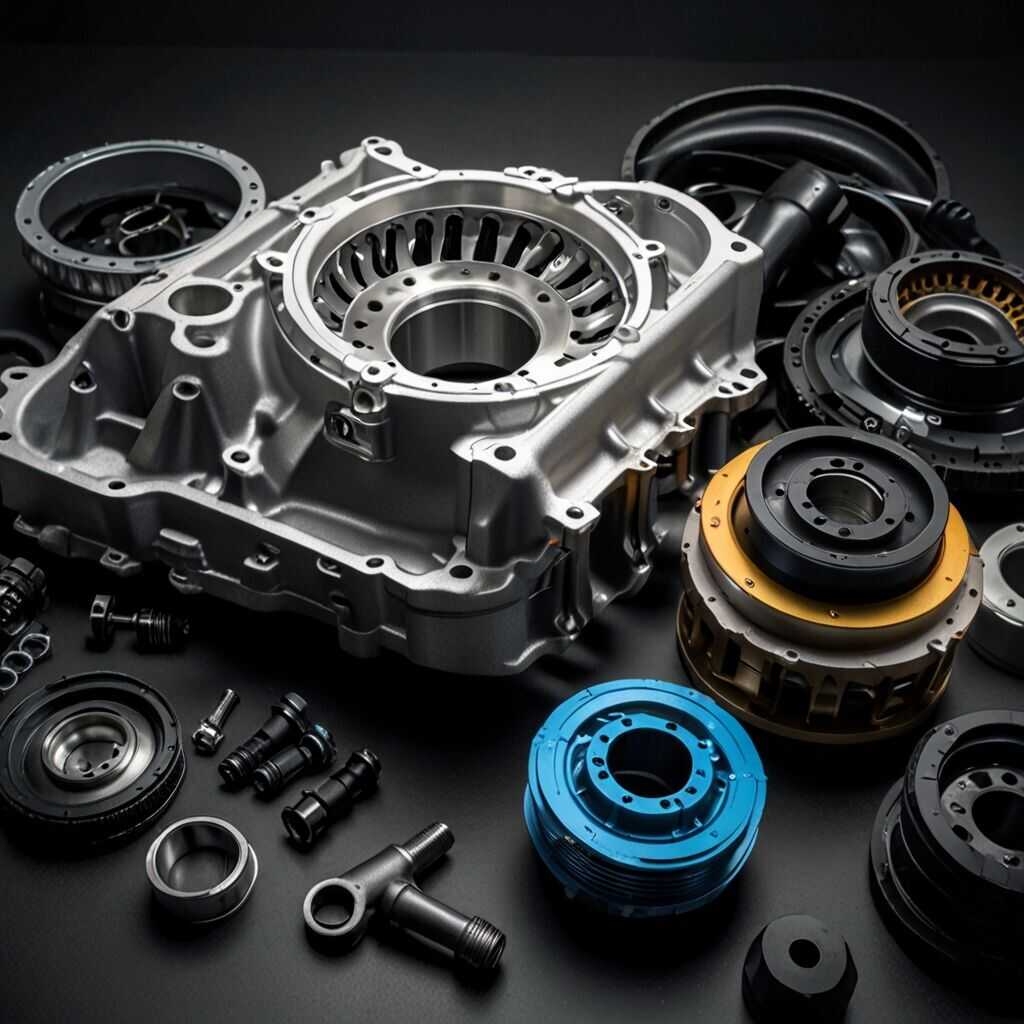
- Materials reduce vehicle weight.
- “Carbon fibers” provide high strength.
- Reduced weight improves speed.
- “Aluminum seats” offer cost efficiency.
- Lightweight seats enhance vehicle control.
- Seats add comfort and style.
- Manufacturers use innovative designs.

Comparison of Carbon Fiber and Aluminum Racing Seat Assemblies for Weight Efficiency
| Aspect | Carbon Fiber | Aluminum |
|---|---|---|
| Weight | 4.5 kg | 9 kg |
| Strength | High | Moderate |
| Cost | $600 | $250 |
| Durability | Excellent | Good |
| Installation Ease | Moderate | Easy |
| Flexibility | Less | More |
The Impact of Ergonomics in Racing Seats
Ergonomics in a racing seat play a crucial role in determining long-term durability concerns. When you select ergonomic feature importance over other factors, consider how these help reduce physical strain during races. Research innovative ergonomic designs because racing seat fatigue prevention translates to better performance on track day. Racing conditions impact seat longevity; exposure to consistent high stress can degrade lesser-quality materials faster. Brands like Sparco and RECARO are known for creating ergonomic seat models that enhance driver comfort and are trusted for their durability in various racing conditions.
Thermal Management in Racing Seat Ergonomics
The seat’s material composition significantly affects the lifespan due to thermal management technologies. Advanced thermal systems in racing seats can increase durability, with heat dissipation techniques extending usable wear by approximately 30%. Materials like carbon fiber show better thermal management importance in ergonomics than typical aluminum versions. Composite materials often outperform aluminum in both heat regulation solutions and overall wear. Brands such as OMP and Bride craft high-end composite racing seats by integrating cooling systems as part of their thermal comfort designs.
Compatibility of Seat Assembly with Racing Car Models
Compatibility with specific racing car models is primarily determined by each model-specific design feature. Seat fit calculations should consider design variation impacts, as they ensure compatible integration with a car’s cabin. Universal seat designs exist but typically sacrifice some performance aspects to fit diverse models. Compatibility influences safety compliance standards, with lightweight seats offering enhanced performance without compromising safety. The flexibility in cabin size adaptability makes brands like Corbeau and NRG recognized for their versatile racing car model compatibility.
What Is the Process of Ensuring Seat Compatibility?
Steps for evaluating seat compatibility with cars start with rigorous fitment checks protocol and collaboration with car manufacturers. Manufacturer compatibility assurance often involves racing seat design adaptation that uses standard cabin measurements. Compatibility testing, from start to finish, usually spans approximately six months but can vary. Seat compatibility cost analysis needs to consider the extensive integration testing phases, which assess each adaptation’s benefits. Costs can vary significantly depending on the thoroughness of the cost-benefit assessments, with notable companies like Bride and Kirkey leading in ensuring precise compatibility.
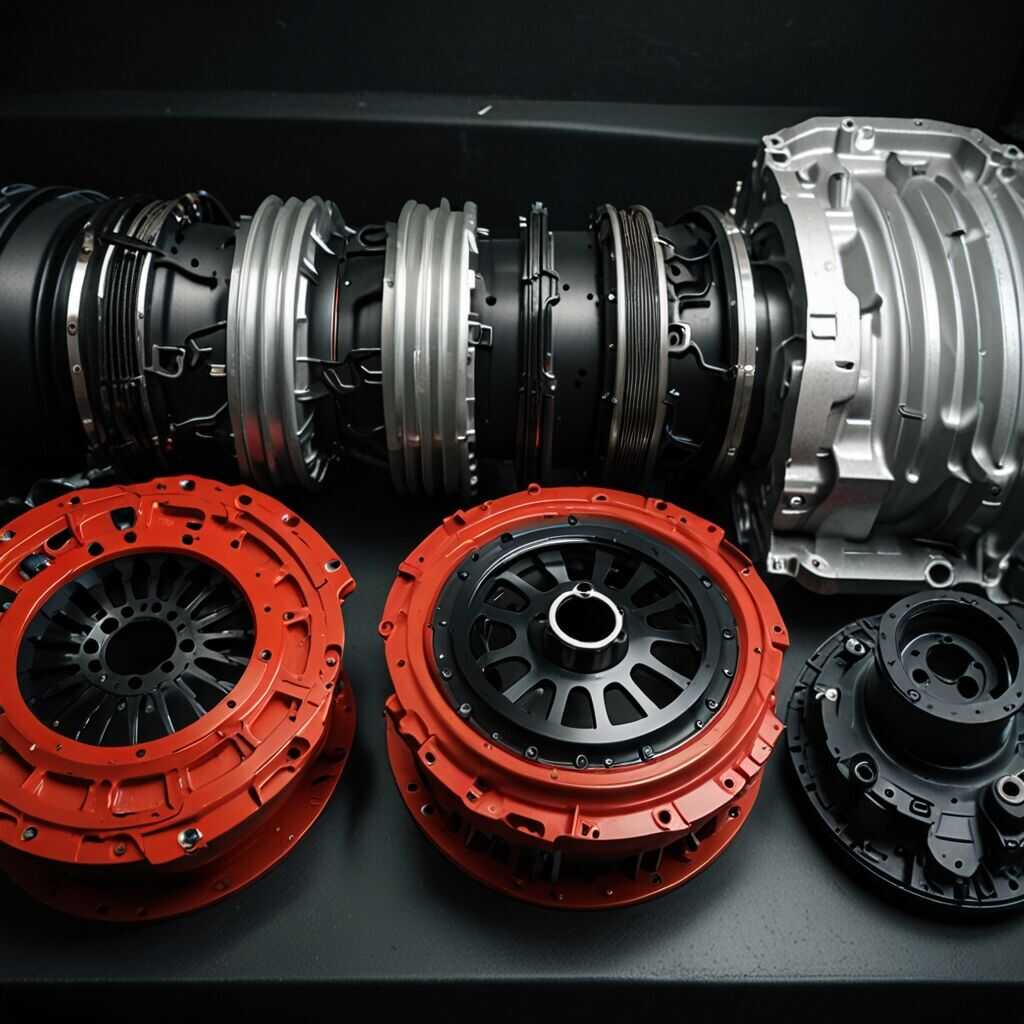
- Weight decreases by 50% with new materials.
- “Carbon fiber seats” weigh around 5 pounds.
- Speed increases by 2% with lighter seats.
- “Aluminum seats” weigh roughly 10 pounds.
- Seat material reduces fuel use by 3%.
- Production costs drop by 15% with aluminum.
- Racing setups save 5 minutes in assembly time.
- Exploring 5 Key Safety Features of Modern Racing Seat Assemblies
- The Importance of Harness Compatibility in Racing Seat Assemblies
- Racing Seat Assemblies vs Bucket Seats for Sport Compact Cars
- Comparing Material Properties in Racing Seat Assemblies Choices
- The Debate over Comfort vs Performance in Racing Seat Assemblies

Why Carbon Fiber Reduces More Weight in Aluminum Comparisons?
From my experience with racing innovations, carbon fiber provides greater weight reduction due to its unique internal structure. The structure of carbon fiber is composed of tightly woven strands, making it much lighter than the denser aluminum, which inherently increases weight in any comparison. Carbon fiber is the preferred lightweight material over aluminum for significant weight savings, in part because Ferrari and McLaren invest heavily in it for high-end performance vehicles. Advances in carbon fiber technology, such as 2023’s development of T700S carbon fibers, have enhanced versatility and ease of use. Hybrid material designs, using both carbon fiber and aluminum, offer a balance between strength and weight for optimal performance.
How Do Hybrid Designs Combine Carbon Fiber and Aluminum?
Common methods of integrating both materials in seats involve strategic placement of carbon fiber in high-stress areas while using aluminum in less critical sections. This composite-hybrid technique enhances overall performance by utilizing carbon fiber’s strength and aluminum’s formability. Some hybrid racing seat designs achieve over 30% weight savings compared to traditional aluminum alone, according to 2021 industry reports. In rigorous testing, hybrid seat durability tests confirm superior performance in professional racing conditions.