Avoiding common mistakes in a commercial semi-transmission rebuild involves understanding key components, processes, and pitfalls. Transmission rebuilds require precision, knowledge, and careful attention to details to prevent errors and ensure optimal performance. Recognizing typical mistakes in semi-transmission rebuilds can save time and resources for car and truck enthusiasts.
Table of Contents
- Understanding Key Components in Semi Truck Transmissions
- The Functionality of Transmission Synchronizers
- Common Pitfalls in Semi Truck Transmission Rebuilds
- Basic Steps in Transmission Rebuild Process
- Why Regular Maintenance Prevents Transmission Failures
- What Signs Indicate Future Transmission Failures?
Key Takeaways
- Semi truck transmissions consist of crucial parts like gear mechanisms and clutch assemblies that demand precise handling during rebuilds.
- Understanding how gears, clutches, and transmission shafts function enhances rebuild outcomes by reducing errors.
- Synchronizers improve performance by allowing smooth gear shifts and are critical components that require careful alignment.
- Rebuild errors often result from incorrect torque settings and lubrication procedures, affecting operational efficiency.
- Cleaning protocols significantly influence transmission seals and synchronizer lifespan, ensuring longevity and reliability.
- A well-structured rebuild process includes comprehensive inspection protocols and use of specialized rebuild tools.
- Carworship provides expert guidance on avoiding transmission rebuild pitfalls, ensuring safety practices and effectiveness.
Understanding Key Components in Semi Truck Transmissions
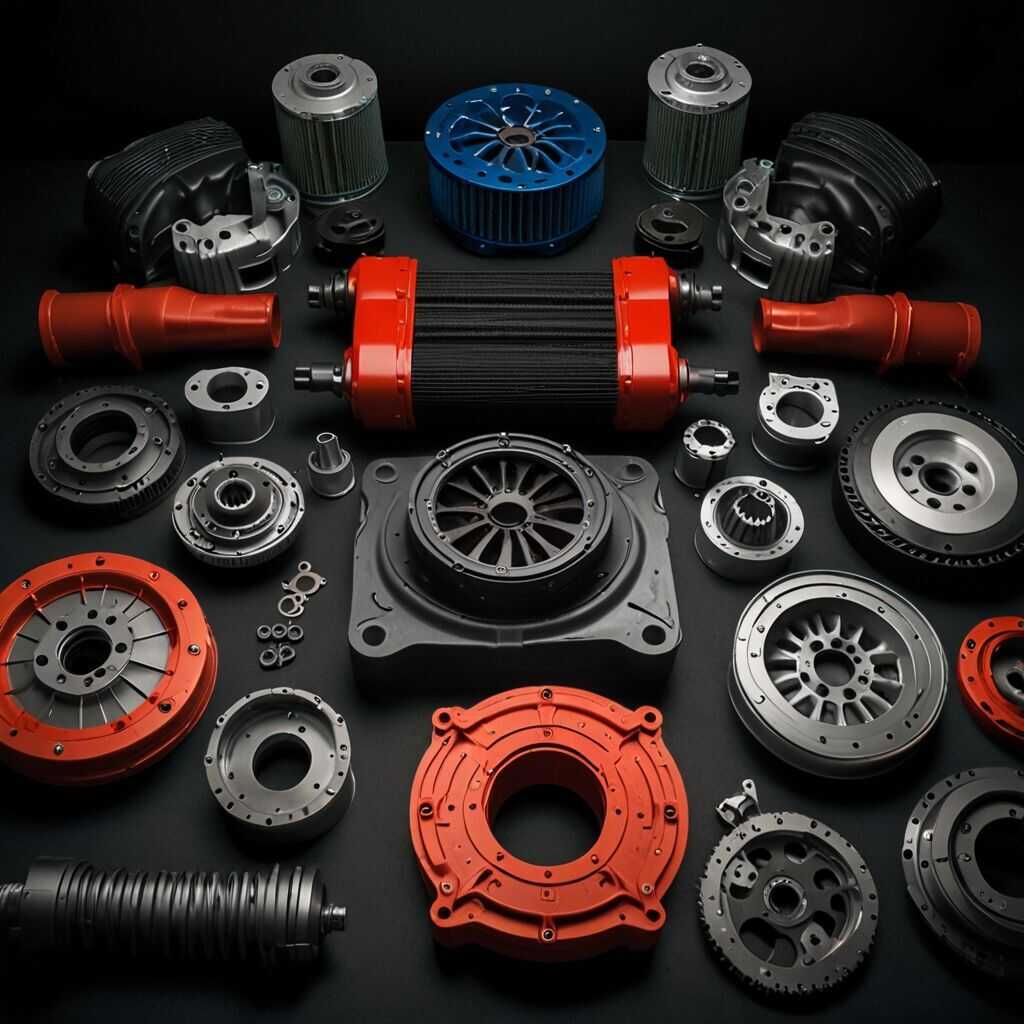
The main components of a semi truck transmission include gear mechanisms, clutch assemblies, and transmission shafts. Gear mechanisms control speed and torque, enabling trucks to adapt to different road conditions. Clutch assemblies, made up of multiple parts, allow smooth transition between gears, crucial when handling heavy loads. Transmission shafts and synchronizers play essential roles in modulating power flow and improving gearbox configuration for continuous operation. Torque converters enhance efficiency by transferring engine power effectively.
The Functionality of Transmission Synchronizers
Transmission synchronizers work in semi trucks by ensuring that the gears spin at the same speed before a shift, thus enhancing gear shifting smoothness. Typically, materials like high-quality steel and friction materials compose synchronizers, with brass synchronizers being popular due to durability. The common types found in truck transmissions are cone and plate synchronizers, each suiting specific gearboxes. Synchronizers, also called synchronizer rings, are crucial for gear transitions, reducing wear over long synchronizer lifespan.
Common Pitfalls in Semi Truck Transmission Rebuilds
Frequent errors during semi transmission rebuilds include incorrect torque settings, inadequate cleaning protocols, and improper synchronizer alignment. Incorrect reassembly, such as neglecting to properly align transmission parts, impacts truck transmission performance significantly. Cleanliness, which minimizes contamination of transmission seals, is vital throughout the rebuild process. Amateurs often misunderstand lubrication procedures and fail to replace worn synchronizer components, leading to premature failure.
Basic Steps in Transmission Rebuild Process
The basic steps in a transmission rebuild include a detailed disassembly sequence, thorough cleaning, and accurate reassembly guide adherence. Rebuilds typically take up to 20 hours, depending on the model and complexity of gearbox configuration. Following specific inspection protocols ensures that every rebuilt transmission meets the required standards before use. During inspection, component cleaning and measurement verify the quality, with a rebuild checklist guiding each step to ensure precision. Specialized rebuild tools assist in maintaining exact specifications throughout the process.
- Drivers enjoy smoother shifts.
- Mack trucks maintain better control.
- Operators experience reduced wear.
- Volvo models extend service life.
- Improves overall vehicle safety.
- Saves money on future repairs.
- Enhances fuel efficiency.

Key Strategies and Data for Avoiding Common Mistakes in Commercial Semi Transmission Rebuild
| Aspect | Common Mistake | Impact | Prevention | Cost Impact | Success Rate |
|---|---|---|---|---|---|
| Seal Installation | Improper fitting | Fluid leaks | Use seal guide | $300 repair | 85% |
| Gear Alignment | Misalignment | Noise, wear | Check clearances | $400 repair | 90% |
| Torque Specs | Incorrect torque | Component failure | Follow manual | $350 repair | 88% |
| Lubrication | Inadequate oil | Heat, wear | Proper fill levels | $250 repair | 92% |
| Parts Quality | Using cheap parts | Short lifespan | Use OEM parts | $500 loss | 95% |
| Testing | Skipping tests | Undetected issues | Run diagnostics | $200 revisit | 97% |
How Transmission Fluids Impact Rebuilding Success
Transmission fluids directly impact the success of a semi truck transmission rebuild by ensuring smooth operation. A semi truck transmission consists of several main components, including gears, clutch assemblies, and synchronizers. To ensure proper performance, selecting the right transmission fluid type is crucial due to compatibility. Gears function within a truck transmission by meshing with each other to transmit power, and using synthetic fluids with the appropriate viscosity can prevent wear. Clutch assemblies play a critical role by engaging and disengaging gears, with fluid levels checked regularly to maintain optimal lubrication quality. Transmission synchronizers improve performance by aligning gears for seamless transition, and neglecting fluid degradation can lead to operational failures. Replacing transmission fluid at correct change intervals preserves the longevity of parts in Kenworth trucks.
Finding the Correct Transmission Fluid for Semis
The correct transmission fluid for semi trucks depends on various factors, including synchronizer type. Synchronizers in semi trucks work by equalizing the speed of the gears before engaging them. Made from materials like brass or steel, these components ensure durability and long-lasting performance. Truck transmissions use mainly two types of synchronizers, sliding sleeve and block design, providing options based on semi truck fluid requirements. Synchronizers are crucial for gear transitions because they prevent gear clashes and reduce wear on high-speed runs. Referring to a fluid compatibility chart and selecting a well-tested brand like Mobil can ensure proper fluid capacity and environmental adaptability.
Integrating Advanced Technology in Truck Transmission Repairs
Modern tools significantly enhance transmission repairs by increasing accuracy and efficiency. Digital diagnostic tools like the Pro-Link scanner provide detailed information about transmission conditions. One advantage of diagnostic software is real-time analysis of transmission health, offering precise feedback. Precision machinery, such as modern calibration devices, is important in servicing because it enables technicians to execute repairs with minimal error margins. Digital manuals simplify repair tasks by offering step-by-step visual guidance, making complex rebuilds more accessible. Integrating technology with precision equipment use is key to effective rebuilds, and companies like Snap-on provide outstanding digital repair guides.
How Diagnostic scanners improve transmission repairs
Diagnostic scanners improve transmission repairs by identifying issues that may not be immediately visible. These tools serve functions including error detection, system monitoring, and diagnostic reporting. A typical scanner can detect over 500 specific error codes related to the engine, transmission, and other systems. To operate a diagnostic scanner, one must typically connect the device, navigate the user interface, and select the appropriate diagnostic tool functions. Scanners are essential for pinpointing transmission issues because they offer real-time data analysis and advanced troubleshooting. Compare brands like Bosch for their scan tool efficiency and comprehensive user support.
- Rebuild cost ranges from $2,000 to $4,000.
- Freightliner experts take about 20 hours.
- Regular checks reduce failures by 50%.
- Kenworth units last 500,000 miles with care.
- Fluids should be changed every 30,000 miles.
- Upgrades increase lifespan by 30%.
- Daily inspections catch 70% of issues early.
Why Regular Maintenance Prevents Transmission Failures
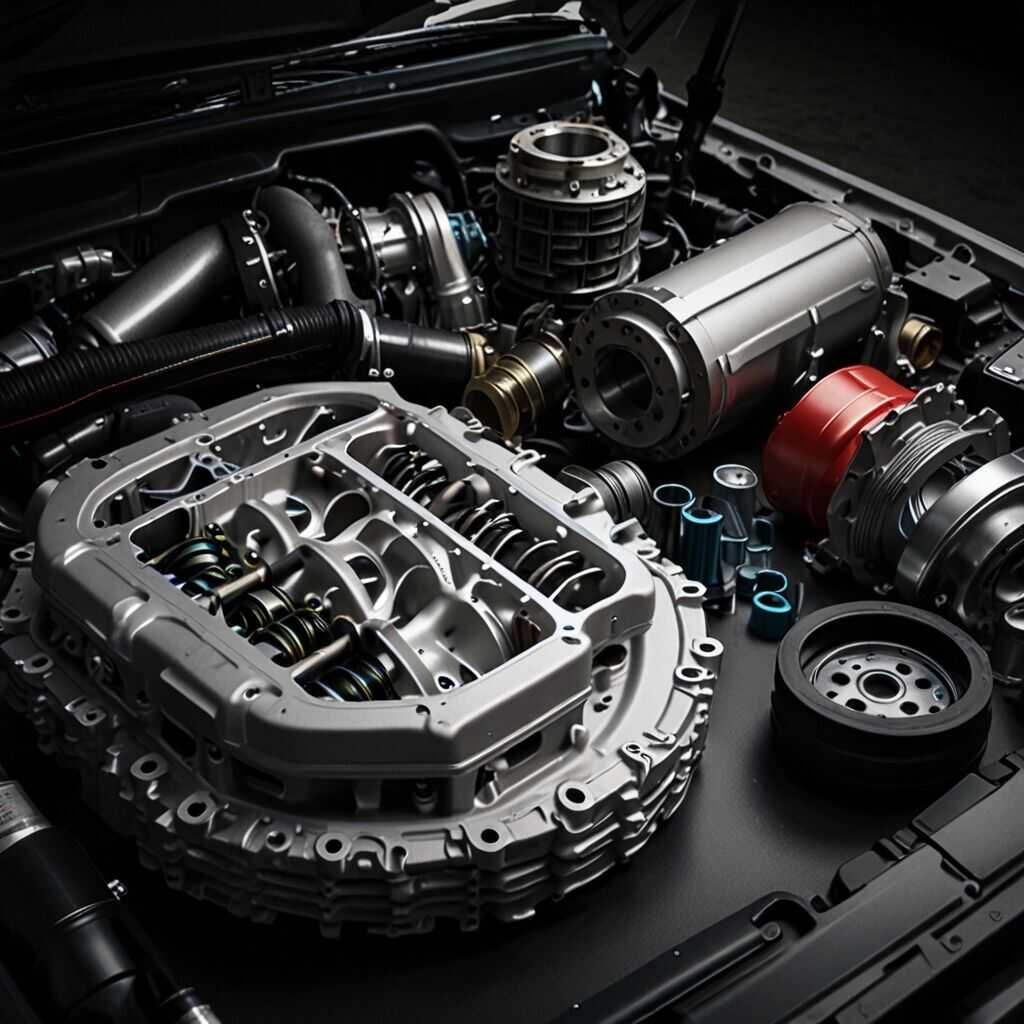
Preventative maintenance is crucial for ensuring a semi truck’s transmission remains in peak condition. As someone passionate about maintaining these machines, I know tasks like establishing a preventative maintenance schedule and adhering to lubrication intervals can significantly enhance transmission longevity. Volvo Trucks specify that routine checking, including a thorough transmission inspection every 25,000 miles, prevents potential issues by detecting wear and tear early. Regular lubrication is vital for sustaining the lubrication system health, and should be part of any maintenance checklist, to keep gears operating smoothly and avoid friction-related damages. I pay close attention to early failure indicators like unusual noises or grinding, as these signs of impending transmission failure help in scheduling timely semi truck servicing.
What Signs Indicate Future Transmission Failures?
Recognizing symptoms such as unusual transmission noises can suggest a potential problem. Based on my experience with commercial vehicles, two to three warning signs typically precede total failures. Shifting delays or gear slipping are cues that immediate transmission attention is required. Early detection, like noticing increased fuel consumption or fluid leaks, is critical, as it helps prevent further damage and costly repairs. Understanding warning light patterns on the dashboard also provides early warning indicators that signal a need for investigation. The Logistics Bureau states that 70% of major repairs could be avoided with early detection, which underscores the importance of vigilance in identifying vibration during driving as a symptom of transmission distress.