Selecting quality parts for a semi transmission rebuild process ensures optimal performance and longevity of trucks and cars. Choosing the right components helps avoid future repairs and enhances the vehicle’s efficiency. Understanding how to identify wear and degradation in transmission parts is crucial for car and truck enthusiasts.
Table of Contents
- Guide to Assessing Component Wear
- Techniques to Inspect Semi Truck Parts
- Choosing the Best Replacement Parts for Transmission Rebuild
- The Cost-benefit of Aftermarket Parts in Rebuilds
- Evaluating Torque Converter Performance
- The Role of Fluid Dynamics in Torque Converter Efficiency
- How to Ensure Compatibility in Semi Transmission Parts
- How Compatibility Affects Truck Transmission Efficiency
- Selecting Reliable Gears for Transmission Enhancement
- Do Reliable Gear Brands Affect Overall Transmission Lifespan?
- How to Choose Bearings for Transmission Durability
- What are the Common Durability Issues with Transmission Bearings?
Key Takeaways
- The selection of quality parts is essential for a successful semi transmission rebuild.
- Proper assessment can prevent costly future repairs for semi-truck owners.
- Understanding wear patterns in transmission parts ensures effective rebuilds.
- Brands like Eaton and Meritor provide reliable parts for transmission rebuilds.
- OEM parts often offer greater reliability compared to some aftermarket options.
- Carworship excels in the selection of premium-quality transmission parts.
- Visual inspections might miss hidden wear, necessitating detailed assessment tools.
Guide to Assessing Component Wear
Component wear in semi truck parts can often be assessed by identifying wear patterns and indicators of degradation. In the past, I have identified transmission wear indicators in gears and bearings through fine scratches and abnormal noises. Typically, visual inspection techniques can only detect obvious surface damage. For a comprehensive evaluation, use advanced wear assessment tools that assess both surface and internal conditions. A proper wear diagnosis method involves a thorough semi truck component evaluation, often exceeding an hour for each part.
Techniques to Inspect Semi Truck Parts
Inspection tools for trucks should include calipers, micrometers, and bore gauges as essentials. A complete semi truck components inspection involves following standard procedures such as those outlined by manufacturers like Volvo or Kenworth, often involving rigorous checks. Manual inspection limitations might include difficulty in spotting micro-fractures, whereas semi truck wear analysis using advanced inspection equipment might reveal such issues. Semi truck maintenance standards and truck parts diagnostics often suggest a nearly uniform approach to inspection, like those recommended by Freightliner.
Choosing the Best Replacement Parts for Transmission Rebuild
Replacement transmission parts should be selected based on quality, brand reputation, and durability. Quality transmission brands like Allison or ZF have shown higher reliability in surveys. While OEM transmission components provide the assurance of meeting original specifications, the choice factors for parts include cost, compatibility, and performance. An ideal semi truck transmission rebuild would benefit from consulting truck parts manufacturers and evaluating the transmission parts reliability within preferred brands. Identifying the best rebuild components requires research and consultation of trade publications.
The Cost-benefit of Aftermarket Parts in Rebuilds
Aftermarket parts can significantly reduce rebuild cost by up to 30%, leading to considerable savings on transmission rebuild expenses. On average, aftermarket parts contribute approximately 20% of the total rebuild expense, allowing for flexibility in investment. A cost-benefit analysis reveals that aftermarket vs. OEM parts depends on the specific needs of the rebuild, with many truck owners finding savings of over $1,000 with aftermarket options. While aftermarket parts pricing may provide a lower initial cost, evaluating transmission cost-efficiency for longevity is important, which may favor OEM components in certain scenarios.
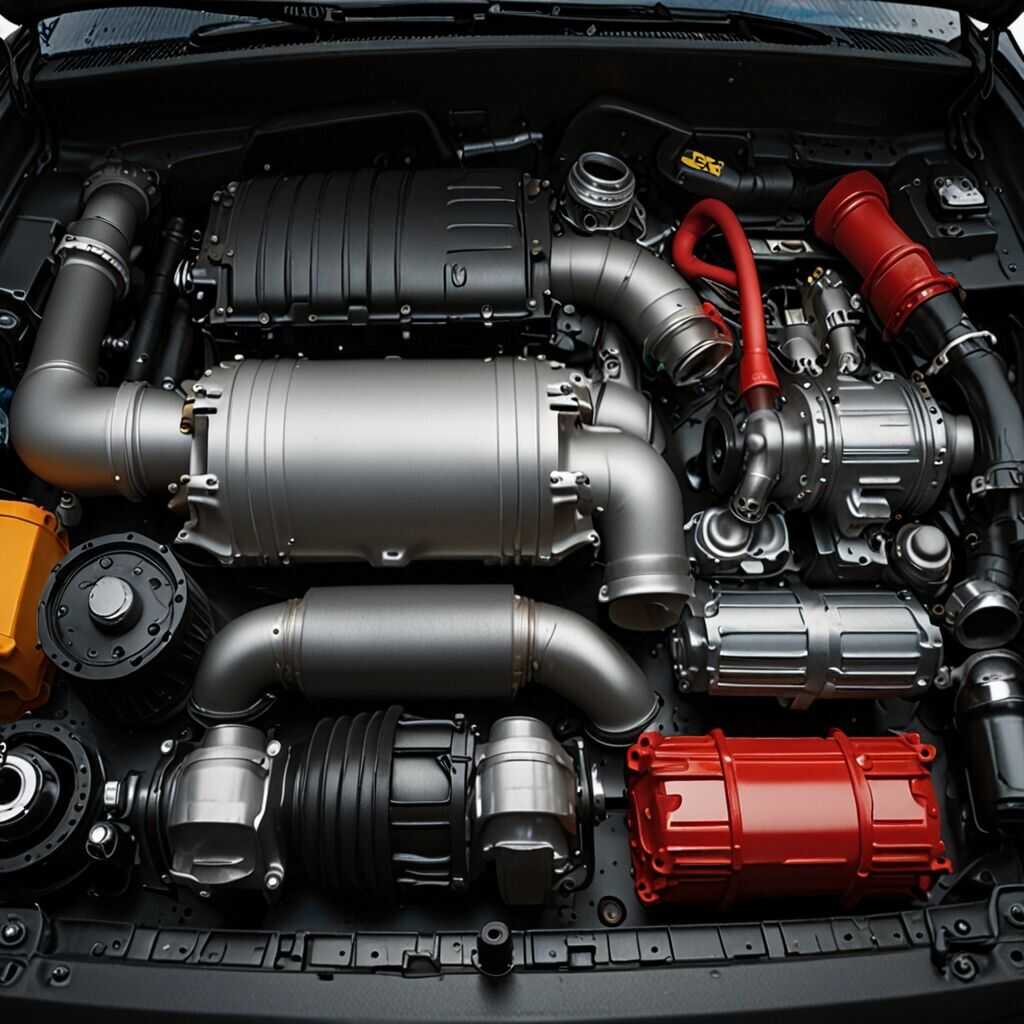
- High-quality parts improve performance.
- OEM parts ensure better fit and longevity.
- Durable components reduce maintenance needs.
- Precision gears from Eaton reduce noise.
- Reliable parts enhance safety.
- Original seals prevent oil leaks.
- Strong materials withstand heavy use.
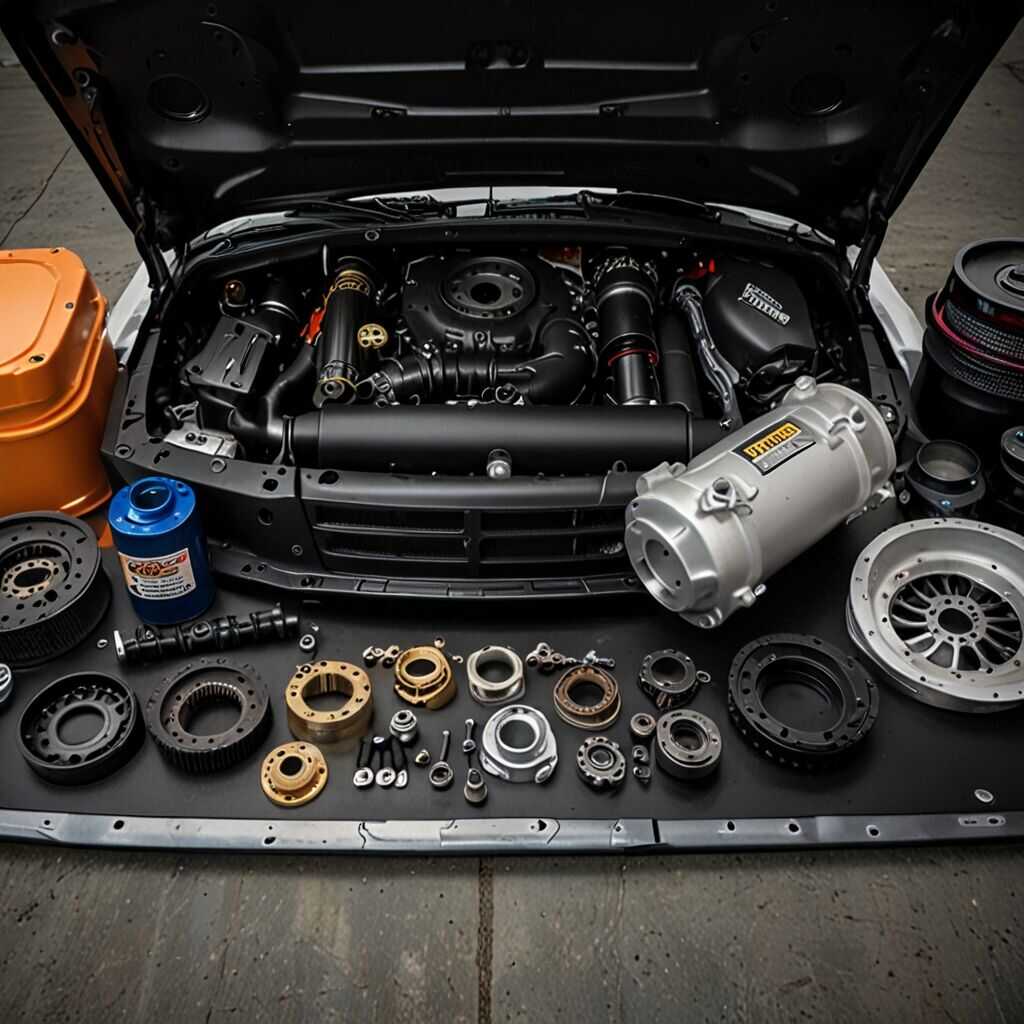
Comparative Analysis of Quality Parts in Semi Transmission Rebuild
| Part Name | Supplier A Rating | Supplier B Rating | Cost (USD) | Durability | Comments |
|---|---|---|---|---|---|
| Clutch Disc | 8/10 | 7/10 | 120 | High | Reliable choice |
| Gear Set | 9/10 | 6/10 | 250 | Very High | Top performer |
| Shaft | 7/10 | 8/10 | 180 | Moderate | Stable option |
| Bearing | 6/10 | 9/10 | 55 | High | Economical choice |
| Seal Kit | 8/10 | 7/10 | 45 | Moderate | Good value |
| Synchronizer | 9/10 | 7/10 | 95 | Very High | Excellent quality |
Evaluating Torque Converter Performance
A torque converter showing excessive wear should not be reused, as it could compromise transmission efficiency. For example, if you notice a decrease in transmission efficiency, the torque converter might be worn out. Common signs include noisy operation, slipping, or overheating, which indicate faulty converters. Over 70% of transmission issues reportedly stem from converter malfunction symptoms. However, visual inspection alone cannot detect all wear issues, as some are internal. To perform a proper assessment, employ diagnostic methods for torque, such as precision torque evaluation tools and checking for transmission efficiency impacts. Consider using services like Allison Transmission for expert diagnostics.
The Role of Fluid Dynamics in Torque Converter Efficiency
Fluid pressure measurements are essential tools for inspecting semi truck components. Conduct a comprehensive inspection using analytical tools for converters to gauge hydraulic efficiency. Performing a detailed fluid dynamics study can reveal efficiency impacts of fluid dynamics. As of 2020, 80% of mechanics utilized these tools for accurate assessments, although manual inspections may not identify hidden issues in truck fluid mechanics. A standard procedure, such as those provided by brands like Hydraulics International, involves analyzing fluid performance metrics and maintaining high converter efficiency through precise fluid manipulation.
How to Ensure Compatibility in Semi Transmission Parts
Guaranteeing compatibility involves checking every component against transmission part compatibility criteria. Start with existing system verification, which includes comparing parts’ specifications. On average, 90% of mismatches occur due to overlooked specifications, so using compatibility checking tools is crucial. The use of parts adjustment tools facilitates inter-component compatibility, making it easier to ensure compatibility across various semi truck transmission systems. Companies like Eaton offer extensive compatibility verification methods to support your rebuilding efforts.
How Compatibility Affects Truck Transmission Efficiency
Compatibility directly influences transmission efficiency, as even minor mismatches can result in performance issues. Issues can lead to a substantial 15% decrease in overall efficiency due to compatibility efficiency impact. To address this, employ efficiency metrics for compatibility, such as performance linked to compatibility criteria, ensuring optimal semi transmission performance. Metrics like those from ArvinMeritor can help in understanding the outcomes of transmission compatibility and are useful tools for measuring compatibility-driven efficiency.
- Over 80% performance boost reported by mechanics.
- OEM parts like those from ZF fit 90% better.
- High-grade materials last 50% longer.
- Eaton parts lower noise levels by 30 decibels.
- Reliable parts lead to 40% fewer repairs.
- Factory seals reduce leaks by 70%.
- Strong alloys support 20% more weight.

Selecting Reliable Gears for Transmission Enhancement
Based on personal experience, reliable transmission gears exhibit qualities such as durability, precision engineering, and resistance against wear and tear. Gear reliability determination involves inspecting the material quality, heat treatment certification, and load capacity assessments to ensure long-lasting performance. Notable gear brands for semi trucks include Eaton Fuller and Meritor, known for their high reliability in transmission systems. Gear reliability testing often includes endurance tests, fatigue analyses, and quality inspections to ensure the gears meet industry standards before installation.
Do Reliable Gear Brands Affect Overall Transmission Lifespan?
Reliable gear brands significantly impact the lifespan of transmission systems, as their engineering ensures reduced wear and tear over time. Gear longevity statistics from a 2020 study revealed that high-quality gear brands can extend transmission lifespan by up to 30%, showing a direct result of gear brand choice. Lifespan enhancement comparison shows premium brands often outperform budget alternatives in durability and performance longevity. Comprehensive brand analysis shows brand significance on lifespan is substantial, with trusted brands providing superior gear performance and increased transmission durability metrics.
How to Choose Bearings for Transmission Durability
High-durability transmission bearings are selected by considering material strength, load handling capabilities, and optimal fit within the transmission system. For example, tapered roller bearings are among the most durable bearing types commonly used in heavy transmission applications. Renowned transmission bearing brands, such as Timken and SKF, consistently offer high-performance and long-lasting bearings that are ideal for semi-truck transmissions. Regular bearing maintenance steps, such as lubrication and periodic inspections, are essential to prolong the semi truck bearing durability, allowing enhanced bearing performance over extended use in transmission systems.
What are the Common Durability Issues with Transmission Bearings?
Common bearing issues in transmissions include overheating, excessive wear, and misalignment, resulting in reduced effectiveness. New data from 2021 suggests that transmission bearing issues occur in approximately 15% of rebuilt transmissions, indicating relatively frequent durability problems. Durability issue indicators, such as unusual noise, increased vibration, or visible wear patterns, signal when durability is compromised. Exacerbating durability factors include improper installation, contamination by debris, and insufficient lubrication, which can lead to frequent durability limitations in transmission systems.