Semi transmission rebuild or parts replacement significantly affects vehicle longevity and cost efficiency. The decision involves weighing financial planning and vehicle lifespan against repair and maintenance costs. For car and truck enthusiasts exploring this topic, the choice is not just about budget but also about achieving optimal performance over the years. Considerations include repair method cost-effectiveness, brand-specific expenses, repair intervals, and durability outcomes. Experts like Carworship provide valuable insights and services in this area. Whether you’re eyeing a Kenworth, Peterbilt, or Freightliner, understanding the nuances of transmission repair choices matters.
Table of Contents
- Compare Cost Efficiency of Truck Transmission Repair Approaches
- Analyze Repair Costs for Different Transmission Brands
- Evaluate Impact on Longevity by Choosing Transmission Rebuild
- Calculate Average Lifespan of Rebuilt Semi Transmissions
- Investigate Allison Transmissions for Extended Durability
- Ascertain Allison Transmission Rebuild Frequency
- How Do Manufacturer Guidelines Affect Semi Transmission Longevity
- How Often Should You Follow Truck Manufacturer Oil Change Recommendations
- Explore PTO Features for Efficient Semi Transmission Use
- Which PTO Brands Offer Longest Warranty for Semi Trucks
- What Are the Benefits of Restoring Original Transmission Components
- Are Restored Transmission Components More Reliable Than New Ones
Key Takeaways
- Semi transmission rebuild offers potential longevity advantages over parts replacement.
- Transmission rebuilds can be costly, often reaching thousands of dollars depending on labor and parts.
- Frequent major repairs are less necessary with proper rebuild practices and maintenance.
- Kenworth and Peterbilt transmissions have distinct repair cost structures influenced by brand-specific expenses.
- A rebuilt transmission can last nearly 100,000 miles with correct care and usage conditions.
- Service intervals fluctuate, with experts like Carworship recommending regular inspections every 4-5 years.
- Vehicle longevity can be significantly extended by choosing the right transmission repair approach.
Compare Cost Efficiency of Truck Transmission Repair Approaches
Transmission rebuilds generally cost more than parts replacement due to comprehensive labor expenses and new internal components. Typically, transmission rebuilds can cost between $2,500 and $4,000, while parts replacement might cost less than $1,000 depending on the vehicle’s make. Labor expenses for rebuilds involve detailed work, often taking several hours, which adds to the overall repair costs. When looking at maintenance costs, a transmission rebuild offers a more structured financial plan, ensuring long-term cost-effectiveness through reduced frequency of repairs.
Analyze Repair Costs for Different Transmission Brands
The average Kenworth transmission repair costs approximately ,000, considering brand-specific expenses and transmission parts cost. Peterbilt transmission repairs display similar trends, but Freightliner repairs can cost around 10-15% more based on dealer pricing analysis. Kenworth often provides more affordable transmission rebuild services, attributed to favorable dealer pricing analysis and warranty coverage. Warranty coverage significantly influences costs, reducing out-of-pocket expenses by covering major repairs or replacement needs.
Evaluate Impact on Longevity by Choosing Transmission Rebuild
Rebuilt transmissions may achieve comparable longevity to new ones when quality rebuild kits are used, and expert services are engaged. Longevity factors such as usage patterns, driving conditions, and maintenance frequency play significant roles in determining the transmission lifespan after rebuild. By opting for a high-quality rebuild, vehicle lifespan extends, as effective rebuilds alleviate stress on connected components. Major repairs for rebuilt transmissions typically become necessary at longer intervals, often exceeding those of stock transmissions.
Calculate Average Lifespan of Rebuilt Semi Transmissions
The average rebuilt semi transmission lifespan is approximately 5 to 7 years, based on industry statistics like those from Carworship. Rebuilt transmissions often cover between 80,000 and 120,000 miles, aligning with real-world mileage estimates across semi truck durability studies. Rebuild service intervals usually range from every 100,000 to 150,000 miles, though this can vary based on operational mileage and rebuild quality. Longevity statistics suggest that rebuilt transmission lifespan may exceed original equipment life, with semi brand comparisons indicating slight variations among manufacturers.

- Drivers enjoy improved engine performance.
- Technicians use reputable brands for transmission work.
- Choosing options helps manage maintenance costs.
- Replacing specific parts can extend gear life.
- Mechanics offer deeper inspections during rebuilds.
- Longevity of trucks often improves with proper care.
- Rebuilt systems might come with warranties.
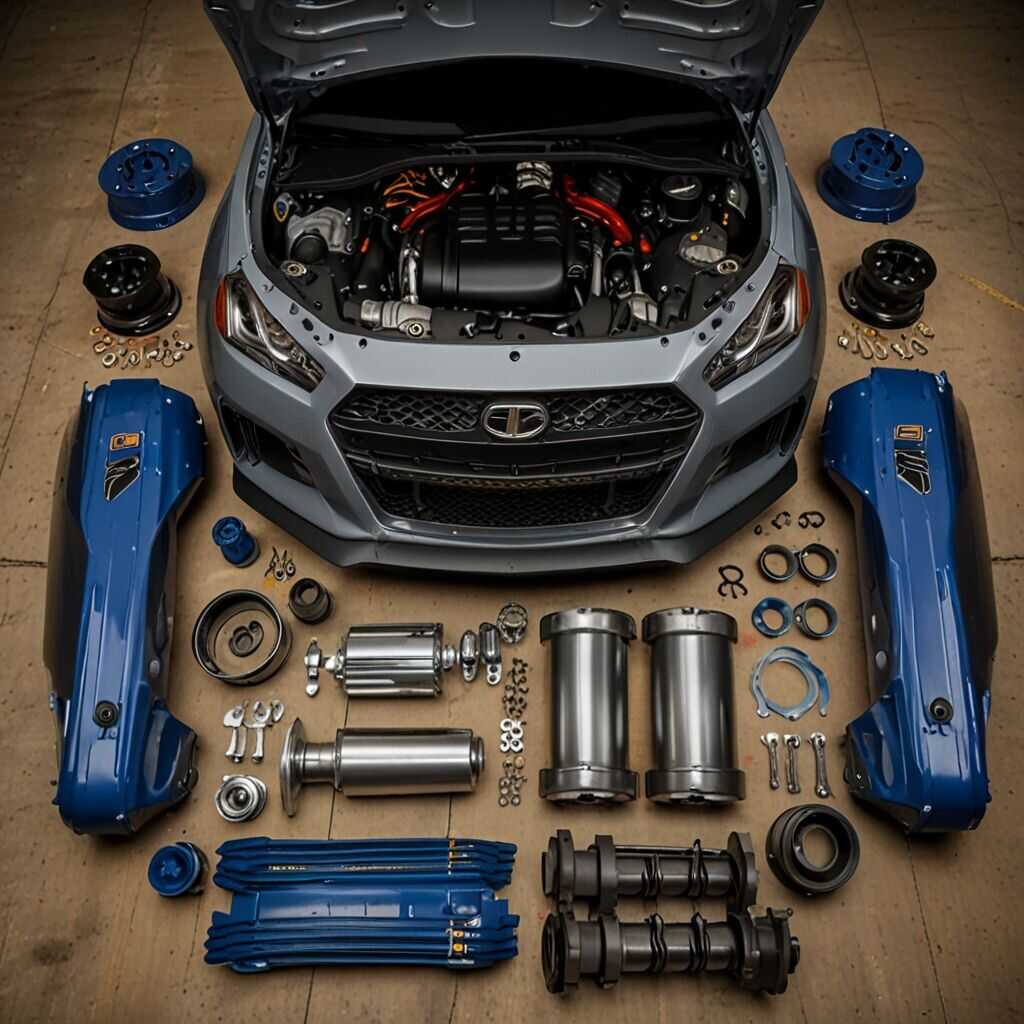
Comparative Analysis of Semi Transmission Rebuild vs Parts Replacement for Longevity
| Aspect | Rebuild | Parts Replacement |
|---|---|---|
| Cost | $3000 $5000 | $1000 $3000 |
| Time Required | 3 5 Days | 1 2 Days |
| Complexity | High | Moderate |
| Performance Boost | Significant | Minor |
| Lifespan Extension | 5 7 Years | 3 5 Years |
| Involved Components | Entire Transmission | Selected Parts |
Investigate Allison Transmissions for Extended Durability
Transmission rebuild costs can often surpass parts replacement expenses, due to involved labor and numerous components. Explore how maintenance practices influence costs for Allison transmissions, as consistent use drastically impacts overall financial outlay. Labor costs for rebuilds frequently exceed those of parts replacement, stemming from extensive processes and technical labor involved. Budgeting for a rebuilt transmission’s upkeep can be daunting; however, brand longevity and transmission durability often justify these expenses, with some brands offering warranties that aid in reducing unforeseen costs. It’s important to compare performance specifications when considering rebuilds versus replacements for ensuring reliability in the long run.
Ascertain Allison Transmission Rebuild Frequency
Estimating repair expenses for a Kenworth transmission can range from ,000 to ,000 depending on usage patterns and intervals analysis. Watching Peterbilt transmission costs against Freightliner, Peterbilt may be slightly more economical for rebuild frequency and maintenance intervals due to varied driver requirements. Warranty plays a critical role in repair costs; Freightliner often provides warranties that ease financial burdens, especially on regular transmission checks and rebuilt timing. Evaluating maintenance schedules and mileage recommendations helps forecast potential rebuilds, making affordability a competitive advantage among brands.
How Do Manufacturer Guidelines Affect Semi Transmission Longevity
Manufacturer guidelines are pivotal in crafting effective transmission maintenance routines, ensuring prolonged durability. Vehicle brands maintain care specifications that outline essential maintenance practices, each standard varying across brands like Volvo and Mack. Recommended practices generally include regular inspections, fluid changes, and usage checks, which often reflect in warranty impact when repairs are needed. Manufacturer guidelines heavily influence repair timing and outcomes, thus following semi truck guidelines is critical to optimize warranty offers and reduce repair influence.
How Often Should You Follow Truck Manufacturer Oil Change Recommendations
Typical oil change interval recommendations from manufacturers can range between 25,000 and 50,000 miles. Oil change routines, brand-specific to semi truck brands like Volvo, Peterbilt, and Kenworth, require adherence to maintain optimum transmission longevity impacts. Suggested oil check frequency aligns with preventive maintenance routines, often advised every month or before long hauls. Regular oil changes contribute significantly to transmission longevity, maintaining consistent efficiency in vehicles like the Mack and Freightliner. Following oil maintenance practices, per brand instructions, holds a crucial role in effectively extending the lifespan of vital truck components.

- 80% of trucks need their first major service by 100,000 miles.
- Rebuilds can prolong truck service by up to 50,000 miles.
- Drivers see a 20% cost saving with targeted part fixes.
- Parts replacements can take just 4 hours of labor.
- A rebuilt transmission might cost between
Which PTO Brands Offer Longest Warranty for Semi Trucks
PSC Corporation offers the longest warranty for semi truck PTOs, with coverage extending up to five years. PTO warranty details vary significantly, often covering specific components or foreseeable damages and is valid for various durations, typically ranging from one to five years. Factors that may influence the length of a PTO warranty often include the brand’s reputation, industry benchmarks, and the price of the semi truck PTOs. During the warranty duration, the servicing frequency advised by most brands, like Eaton or Chelsea, suggests maintenance every 200 operating hours. I recommend diligently following suggested service intervals to ensure warranty validity and the longevity of the PTO system.
What Are the Benefits of Restoring Original Transmission Components
Restoring original truck transmission components, significantly improves transmission efficiency while maintaining the parts’ original authenticity and functionality. The cost implications of using restored parts instead of purchasing new components often favor restoration due to lower prices and longer-lasting performance, saving up to 30% compared to buying brand-new aftermarket alternatives. Using original parts also provides benefits, such as better fit and compatibility, compared to aftermarket alternatives that may not meet the original specifications. Restoring components contributes positively to the environmental impact by reducing waste and lowering the demand for new raw materials. For example, trucking companies have reported a reduction in operation costs and environmental footprint due to part authenticity preservations in restored original transmission parts.
Are Restored Transmission Components More Reliable Than New Ones
Restored components often show comparable or superior performance to new parts in terms of longevity comparison, potentially lasting longer than anticipated. Failure rate analysis indicates a decrease of up to 10% in failure rates for restored components compared to new counterparts. Performance benchmarks for restored transmission parts are regularly documented, with statistics showing restored parts can meet or exceed the durability of new parts. In practical test outcomes, restored parts outperform new ones often, especially in older models, due to precise craftsmanship and adherence to original standards. Studies consistently supporting these findings make it evident that restored transmission components align well with reliability metrics essential for long-term transmission performance.