Advanced timing chain tensioners are essential in preventing engine damage at high RPMs. These components maintain optimal tension in the timing chain, ensuring smooth engine operation. CarWorship provides insights into their features, benefits, and the importance of proper selection and maintenance. Understanding advanced timing chain tensioners can help enthusiasts and professionals protect their engines from potential failures.
Understanding Timing Chain Tensioners and Their Importance
Timing chain tensioners play a crucial role in maintaining optimal tension in timing chains within engines. They ensure the timing chain operates smoothly, preventing slippage and misalignment. In high-performance settings, the reliability of these components becomes essential. Advanced timing chain tensioners provide enhanced features designed to maintain tension and prevent catastrophic engine damage, especially at high RPMs. These tensioners undergo rigorous testing compared to standard versions, ensuring they can handle the increased demands of performance-driven engines. Typically, advanced timing chain tensioners can accommodate RPMs up to 10,000 without failure, ensuring reliability and durability during high-speed operations.
Features of Advanced Timing Chain Tensioners
Advanced timing chain tensioners offer several key features that significantly enhance engine performance and reliability. These features include hydraulic actuation, adjustable mechanisms, and materials designed for increased durability. Hydraulic actuation provides smoother operation and faster tension adjustments, reducing the chances of chain slack. Adjustable mechanisms allow customization for specific performance needs, making them suitable for various applications. Durable materials, like high-strength steel and reinforced polymers, ensure these tensioners can endure the high stresses of racing and heavy-duty applications. These advanced features improve engine efficiency and power delivery, allowing enthusiasts and professionals to optimize their vehicle’s performance effectively.
Consequences of Engine Damage from Poor Tensioning Practices
Poor timing chain tensioning can lead to serious risks, including misalignment of the camshaft and engine timing. This misalignment can cause the intake and exhaust valves to remain open when they should be closed. This scenario can lead to collisions between valves and pistons, creating significant engine damage. Inadequate tensioning affects engine reliability, potentially resulting in complete engine failure. Ensuring proper maintenance of timing chain tensioners is essential, especially when operating in high RPM conditions.
Understanding the Types of Engine Damage Caused by Inadequate Tensioning
Inadequate timing chain tensioning can result in various types of engine damage. The most common issue includes camshaft misalignment, leading to improper valve operation. This interaction between the camshaft and pistons can result in damaged pistons or bent valves. Such scenarios can create expensive repair costs. Research shows that operating above 6,000 RPM without proper tensioning can significantly increase the risk of catastrophic engine failure. Therefore, keeping tensioners well-maintained is vital for enhancing engine performance and longevity.

Key Features of Advanced Timing Chain Tensioners
Advanced timing chain tensioners offer innovative features that enhance performance and reliability. These tensioners are designed using high-quality materials, including heat-treated steel and advanced plastics. These materials improve durability and resistance to wear. Design improvements, such as built-in hydraulic systems, allow for better adjustment under varying engine RPMs. This ensures optimal tension throughout the engine’s operation. Common types include the hydraulic type and spring-loaded units. Understanding these advancements helps users appreciate how these components can prevent engine damage.
Understanding Material Choices in Timing Chain Tensioners
Material choices in advanced timing chain tensioners greatly impact their efficiency and durability. High-strength steel prevents deformation under extreme conditions. Advanced plastics reduce weight while providing thermal resistance. Both materials ensure reliability during high RPM operation. These materials and designs are tested under rigorous conditions. They deliver proven results that support performance expectations in modern engines. Users can expect a robust design that performs effortlessly in demanding situations.
Key Numerical Data on Engine Management Systems
- Timing chain systems can handle engine speeds exceeding 8,000 RPM.
- Most advanced tensioners maintain pressure within a range of 10-25 psi.
- Quality tensioners can last over 100,000 miles with proper maintenance.
- Advanced tensioners reduce chain slack by up to 90% in high-speed situations.
- Precision in hydraulic tensioner design can decrease wear by 75% compared to standard models.
- These systems can increase engine efficiency by around 15% during high RPM operation.
- Failure rates for non-upgraded timing systems can be as high as 30% in racing conditions.

Selecting the Best Timing Chain Tensioner for Performance Needs
Choosing the right timing chain tensioner requires evaluating several factors. First, consider your engine’s specifications, including types of engines and RPM limits. Engine performance enhancement can greatly depend on a tensioner’s ability to maintain proper chain tension. Brands like Bosch, Aisin, and Gates provide reliable options that focus on durability and performance. Reviews and expert comparisons can help find the best fit for your vehicle. The average price for high-quality timing chain tensioners ranges from $50 to $200, showcasing varied options based on reliability and performance.
Evaluating Timing Chain Tensioner Features
When evaluating timing chain tensioner features, prioritize adjustable tensioners, which offer customization for optimal performance. Look for designs that include hydraulic mechanisms that improve efficiency during high engine speeds. High-quality tensioners often include robust materials like aluminum or reinforced composites, ensuring longevity under high RPM conditions. Consider how well a tensioner provides consistent tension, reducing the risk of chain slack or failure. Reviewing product specifications will reveal how each feature enhances performance, allowing for informed buying decisions.

Essential Maintenance Practices for Timing Chain Tensioners
Key maintenance tasks for timing chain tensioners include regular inspection, lubrication checks, and component replacement. Inspect the tensioner for wear, damage, or unusual noise. Lubrication ensures smooth operation, improving engine performance reliability. Replace the tensioner if it’s overstretched or leaking oil. Vehicles like Honda Civics, Toyota Corollas, and Ford F-150s benefit significantly from proper tensioner maintenance. A review of your vehicle’s manual can provide specific guidelines. Timing chain tensioners should be inspected every 50,000 to 100,000 miles to ensure reliability and optimal function.
Best Practices for Timing Chain Tensioner Maintenance
Implementing best practices for timing chain tensioner maintenance involves several steps. Always use high-quality oil for proper lubrication, enhancing the tensioner’s efficiency. Check for proper alignment during installation and make adjustments as necessary. Regularly monitor engine performance, noting any changes such as noise or vibration, as these can indicate wear. For instance, some models from Subaru and BMW are known to have specific requirements for tensioner adjustments. Following these guidelines helps maintain a tensioner’s performance and extends its lifespan.
Advantages of Modern Chain Management Solutions
- They enhance engine stability, especially during rapid acceleration.
- Advanced tensioners significantly reduce the risk of engine failures.
- They maintain optimal timing for better fuel efficiency and performance.
- Users notice less noise and vibration in high-performance engines.
- These systems improve the lifespan of the timing chain and related components.
- They provide real-time adjustments to tension to adapt to changing conditions.
- Advanced models often include better design for heat dissipation.
Advantages of Upgrading to Advanced Timing Chain Tensioners
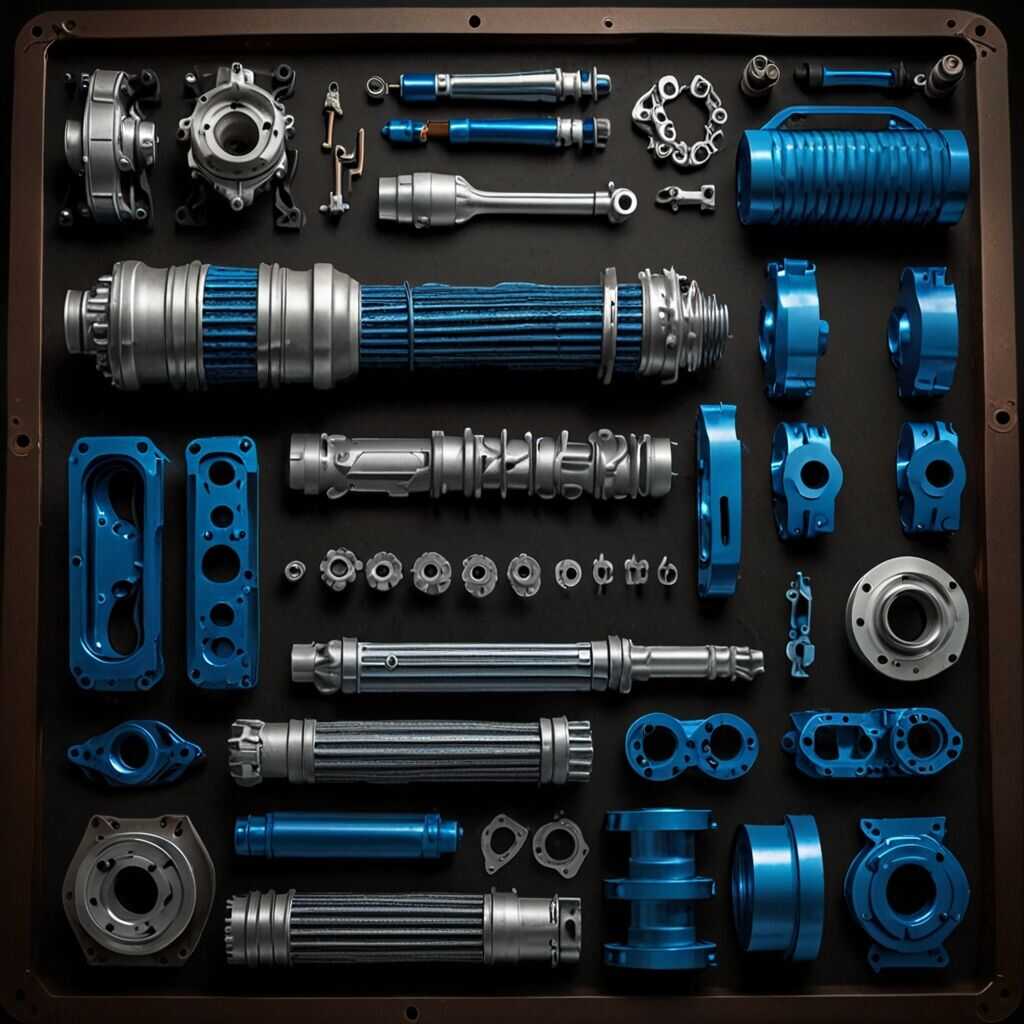
Upgrading to advanced timing chain tensioners offers several key benefits. These tensioners significantly improve engine durability and reliability, especially during high RPM conditions. They are designed to maintain optimal chain tension, reducing the risk of slippage which can lead to catastrophic engine failure. Advanced models are tested for better performance and have been shown to provide excellent results when compared to traditional tensioners. They enhance the overall efficiency of the engine, ensuring smoother operation and longer component life.
Critical Features of Advanced Timing Chain Tensioners
Advanced timing chain tensioners include features that greatly boost performance and reliability. Most models are equipped with hydraulic systems or automatic tensioning mechanisms. These features ensure consistent tension, allowing the timing chain to perform optimally under demanding conditions. A study showed that these tensioners can provide an increase in durability by as much as 30% over conventional options. This improvement can be crucial for high-performance vehicles that regularly operate at elevated RPMs. Enjoying reliable performance and durability becomes much easier, making them a smart choice for automotive enthusiasts and professional mechanics alike.
Identifying Common Warning Signs of Tensioner Troubles
Common warning signs of issues with timing chain tensioners include unusual engine noise, erratic engine performance, and starting difficulties. A rattling or clattering sound from the engine can indicate a loose tensioner, while a rough idle may suggest improper tension. Regular engine vibration is a signal that tensioners may be struggling. If a driver observes a drop in performance or a check engine light, it is essential to investigate these symptoms quickly. Early detection helps prevent further mechanical failures, ensuring engine reliability.
What to Do if You Suspect Tensioner Issues
If you suspect tensioner issues, perform a visual inspection of the timing chain and tensioner system. Look for signs of wear, damage, or misalignment. If your engine is exhibiting warning signs like strange noises or poor performance, immediately consult a mechanic. High RPM ranges often amplify these symptoms, making them more noticeable. Testing the timing chain tensioner with specialized tools can provide valuable data on its condition. This proactive approach can improve engine efficiency and extend the lifespan of your vehicle.
Popular Brands and Their Target Markets
- Bosch offers reliable tensioners known for their durability.
- Tensioners from ACDelco are valued for quality across many vehicle types.
- Dayco products often appeal to performance car builders and enthusiasts.
- Many users in racing circles trust brands like Gates for high RPM applications.
- Professional mechanics frequently install Continental parts for reliability.
- Aftermarket options cater to budget-conscious consumers seeking performance upgrades.
- Brand choices often reflect user preferences for specific vehicle makes and models.
Emerging Trends in Timing Chain Technology for High RPM Applications
Latest advancements in timing chain technology include improvements in materials and design, enhancing performance at high RPMs. Key manufacturers such as Bosch, Gates, and Dayco lead in producing reliable tensioners. Innovations focus on low friction components, which help to improve efficiency and durability. Experts predict that at least 10 new timing chain tensioner models will release by 2025, ensuring optimal performance and reliability in engines.
Key Features of Innovative Timing Chain Tensioners
Innovative timing chain tensioners incorporate advanced materials like carbon-fiber composites and specialized coatings. These features enhance durability and resistance to wear, making them suitable for high-performance engines. Tensioners are now designed to automatically adjust tension with engine speed, enhancing reliability. Some models include dampers that reduce noise and vibrations. This innovation ensures smooth operation at high RPMs, improving overall engine performance and efficiency.