The importance of engine break-in oils cannot be overstated, as they play a crucial role in the proper seating of engine rings. These specialized oils contain unique additives designed to enhance ring seating, ensuring that components fit together perfectly during the engine’s initial operation. For car enthusiasts and professionals alike, understanding how these oils contribute to optimal engine performance can lead to longer engine life. Here at CarWorship, we delve into the significant benefits of using break-in oils and their impact on your vehicle’s longevity and efficiency.
Defining Engine Break-In Oils and Their Key Functions
Engine break-in oils are specially formulated lubricants designed for the critical initial period of a new engine’s operation. They are essential for releasing microscopic metal particles during the break-in process. This helps improve the seating of piston rings which leads to better compression and engine efficiency. The break-in oils contain special additives that reduce wear, ensuring reliability and longevity of engine components. Using these oils during the first few hours of operation is crucial for optimal performance and to avoid future issues.
Understanding Piston Ring Seating and Its Significance
Piston ring seating refers to the process where piston rings fit tightly against the cylinder walls. Engine break-in oils enhance this process by promoting effective wear-in of the rings against the cylinder material. These oils can handle the initial friction better than regular oils, thanks to their unique additives. Proper seating improves compression, ensuring efficient combustion. As the engine runs, break-in oils help the piston rings conform to the cylinder walls, leading to reduced blow-by and better overall performance. The result is a more powerful and long-lasting engine.
The Importance of Proper Ring Seating for Engine Efficiency
Ring seating is the process where piston rings properly conform to the cylinder walls. This is crucial for engine performance. Proper ring seating ensures a tight seal between the cylinder and the piston, which enhances combustion efficiency. When the seal is tight, it prevents fuel and air mixture from escaping. Engine break-in oils play a key role in this process. They often contain special additives designed to reduce friction and wear. This helps the rings fit correctly into the cylinder walls. Proper testing and reviews show that achieving the optimal ring seating can lead to significant improvements in engine efficiency and reliability.
How Engine Break-In Oils Enhance Ring Seating
Engine break-in oils are specially formulated to assist in the early life of an engine. These oils include enhanced additives that help improve the match between piston rings and cylinder walls. They provide better lubrication and minimize wear during the critical break-in period. This enables the piston rings to seat effectively. Many users report improved sealing and decreased oil consumption after using break-in oils. A proper break-in process can enhance engine performance and reliability for years. According to research, engines using break-in oils can see up to a 10% improvement in efficiency due to better ring seating.

Additives in Break-In Oils and Their Benefits Explained
Engine break-in oils contain essential additives such as zinc dialkyldithiophosphate (ZDDP), molybdenum disulfide, and friction modifiers. These additives significantly enhance lubrication during the critical break-in period, ensuring proper ring seating. ZDDP acts as a protective agent, reducing wear on engine components, especially camshafts and lifters. Molybdenum disulfide improves friction resistance, allowing for smoother operation. Various brands produce their unique formulations, which can lead to differences in performance and reliability. Effective testing and comparison of these products show that oils containing robust additives provide better engine protection and longevity.
Understanding the Role of ZDDP in Engine Performance
Zinc dialkyldithiophosphate (ZDDP) is a crucial additive in engine break-in oils. It protects against wear and offers anti-oxidation properties. This compound helps to form a protective layer on metal surfaces, which is vital during engine break-in. ZDDP’s ability to withstand high temperatures and pressure conditions enhances its effectiveness, making engines more reliable. Many automotive professionals emphasize using oils rich in ZDDP for first-time engine startups. Relying on formulations with the right blend of ZDDP ensures improved ring seating and overall engine performance during the critical break-in phase.
Key Numerical Insights on Lubricants for New Engines
- Break-in oils are designed for the first 500 to 1,000 miles of new engines.
- Using break-in oil can increase engine lifespan by up to 20%.
- Rings can take 30 minutes to several hours to properly seat during the break-in period.
- Break-in oils often contain 5-15% higher levels of zinc compared to regular oils.
- Engines may experience a gain of up to 10% more power after using proper break-in oils.
- Many experts recommend changing oil again after the initial break-in period.
- Using the correct break-in oil can help reduce oil consumption by around 15%.
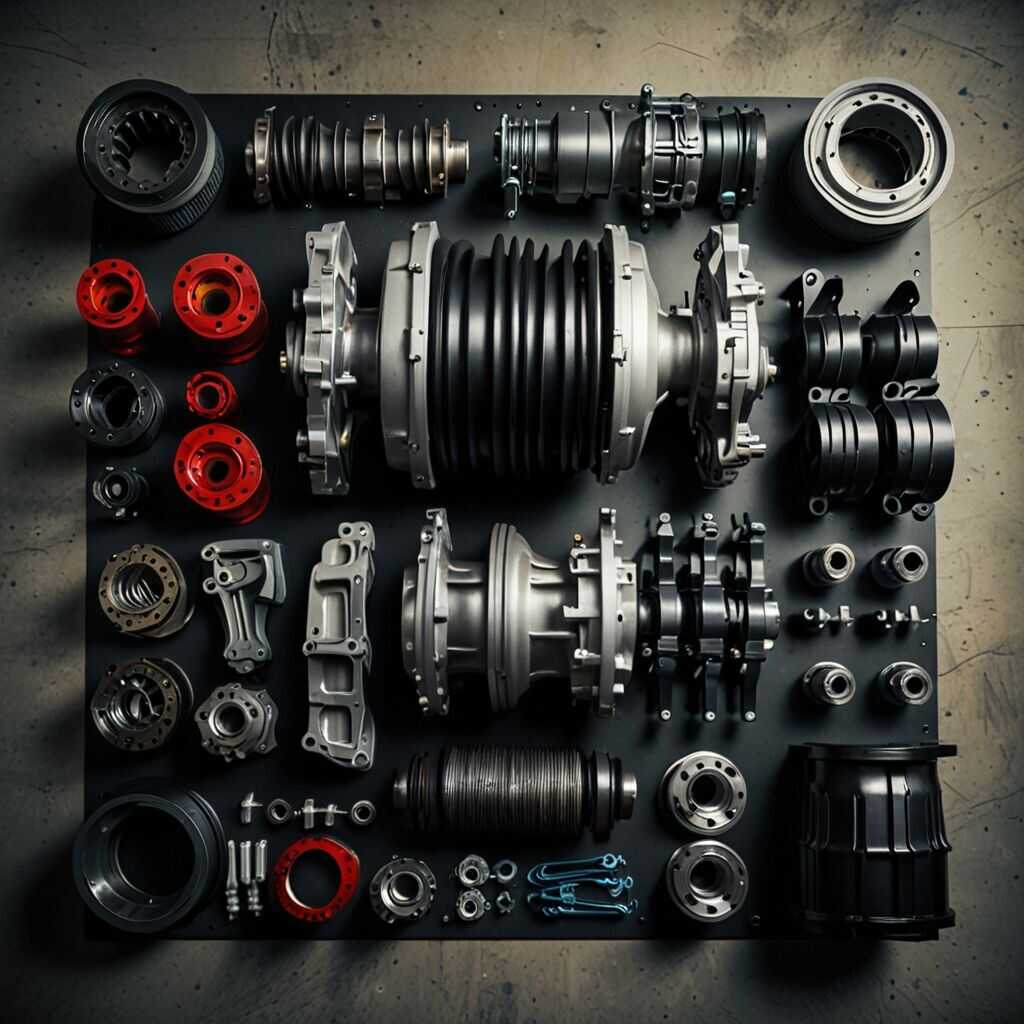
Understanding Engine Wear and Break-In Dynamics
New engines experience unique wear patterns during the break-in phase. This phase is critical as it sets the foundation for long-term reliability and performance. The common wear patterns include micro-wear surfaces where parts begin to fit together. This process is essential for achieving optimal ring seating, enabling proper sealing and efficient combustion. Break-in oils contain special additives designed to enhance this process. These additives help to reduce friction and wear, significantly improving the performance of the engine.
Enhancing Ring Seating with Break-In Oils
Engine break-in oils enhance ring seating by providing superior lubrication and reducing metal-to-metal contact. They contain unique additives that form a protective layer on engine components. This helps ensure effective seating of piston rings, resulting in a better seal within the cylinder walls. A well-seated ring reduces blow-by, increasing overall performance efficiency and engine longevity. Choosing the right break-in oil, such as those with higher zinc content, offers added protection during this critical phase.

How to Choose the Best Engine Break-In Oil for Your Vehicle
Choosing the right engine break-in oil is crucial for your vehicle’s performance and longevity. Check your vehicle specifications, as different engines require various oil types. Use oils designed for break-in periods, which include specific additives that enhance ring seating. Reliable brands like ZDDP, Motul, and Royal Purple provide high-quality options. Read user reviews and comparisons to find the best fit. Typically, you should change your engine break-in oil every 500 to 1,000 miles to ensure optimal performance.
Consider Your Engine Type and Driving Conditions
Your engine type plays a significant role in selecting the right break-in oil. For example, high-performance racing engines often benefit from synthetic blend break-in oils. These reliable oils enhance performance and provide better heat resistance. If you have a traditional V8 or a diesel engine, look for oils with a higher viscosity rating that can handle heavier loads. Also, consider your driving conditions. Frequent stop-and-go traffic may require oils with better detergents to keep the engine clean and efficient.
Advantages of Specialized Lubricants for Engine Longevity
- Break-in oils improve metal-to-metal contact for better ring sealing.
- They provide essential additives to enhance ring seating and reduce wear.
- These oils help eliminate contaminants from the engine during the break-in phase.
- They can prevent premature engine failure by ensuring optimal lubrication.
- Break-in oils promote proper fitting of engine components, ensuring they work together smoothly.
- They contribute to a more stable oil pressure and temperature, enhancing performance.
- Using the right break-in oil reduces the likelihood of engine noise and vibration.

Avoiding Common Pitfalls During the Engine Break-In Process
Diverse mistakes can arise during the engine break-in process. One common mistake is driving too fast too soon. This can hinder proper ring seating and impact engine longevity. Another frequent error is not using the right engine break-in oil. Standard oils lack additives designed to enhance performance during this critical phase. Additionally, some car owners ignore manufacturer recommendations, such as varied RPMs and load conditions. The recommended mileage for a proper engine break-in period typically ranges from 500 to 1,000 miles. By avoiding these pitfalls, car owners can ensure better engine reliability and performance.
Essential Practices for Effective Engine Break-In
To achieve optimal results during the engine break-in, car owners must follow essential practices. First, use quality engine break-in oil that provides essential additives for superior lubrication. These additives enhance performance by ensuring proper ring seating and reducing friction. Follow the manufacturer’s break-in procedure closely. Maintain varying RPMs instead of constant speeds to promote even wear. Avoid excessive idling and heavy loads until the break-in period is complete. Monitoring engine performance during this time can provide insights into any potential issues. Using a systematic approach helps guarantee a durable engine that delivers excellent power and efficiency.
Maintaining Engine Performance After the Break-In Period
Maintaining engine performance after the break-in period is essential for long-lasting reliability and efficiency. Best practices include regular oil changes to keep the engine clean. Use high-quality oils designed for your vehicle. This ensures proper lubrication and removes contaminants. Monitor driving habits, as aggressive driving can lead to increased wear. Adapt your habits for smoother acceleration and deceleration. Consider climatic conditions. High temperatures can affect oil performance. Check oil levels regularly and top off as needed.
Importance of Regular Oil Changes
Regular oil changes are crucial for optimal engine performance. Changing the oil every 3,000 to 7,500 miles, depending on the vehicle and oil type, helps maintain engine cleanliness. Synthetic oils often last longer than conventional oils, so adjustments may vary. Regular changes prevent sludge buildup and ensure that additives remain effective. These actions contribute to better fuel efficiency and overall performance. Always refer to your vehicle’s manual for specific recommendations related to oil change intervals.
Brands and Preferences in the World of Engine Lubricants
- Royal Purple offers high-performance oils but can be expensive for general use.
- Lucas Oil is popular for its affordability and reliable performance in various engines.
- Mobil 1 provides synthetic options with a good reputation in racing and everyday use.
- Amsoil specializes in high-mileage protection but may not be widely available in retail stores.
- Valvoline is favored for DIY mechanics due to accessibility and a broad product line.
- Many racing enthusiasts prefer specific brand formulations for high-stress engines and long races.
- Typical vehicle owners choose brands based on warranty requirements and personal experiences.
Key Takeaways on Engine Break-In Oils and Best Practices
Engine break-in oils play a crucial role in the initial phase of developing optimal ring seating. They are specially formulated with additives that promote the seating of engine rings, ensuring efficient sealing and performance. Common additives like zinc and molybdenum help reduce friction and wear during the early running periods of engines. It’s essential to follow the manufacturer’s guidelines for the duration of using break-in oils, typically around 500 to 1,000 miles. This practice helps ensure optimal engine longevity and reliability.
Additives That Enhance Engine Performance
Break-in oils commonly include various additives designed to enhance engine performance significantly. Zinc dialkyldithiophosphate (ZDDP) is one such additive that provides excellent anti-wear properties during this critical period. Molybdenum compounds are also included to create a protective layer, further reducing friction. Using these specialized break-in oils ensures proper ring seating, enhancing the sealing efficiency of the engine. This results in improved power output and fuel economy. Choosing high-quality break-in oils that feature these additives can prevent premature wear, supporting your engine’s durability for years of reliable performance.