Oil catch cans prevent harmful vapors in your engine by capturing excess oil and moisture before they enter the intake system. These devices help maintain engine performance and longevity by reducing contamination and build-up. At CarWorship, we understand the importance of keeping your engine clean and efficient, which is why we explore the benefits of oil catch cans for car enthusiasts and eco-conscious drivers alike. By investing in this simple yet effective upgrade, you can enhance your vehicle’s performance and protect its vital components.
The Crucial Role of Engine Oil Catch Cans
Oil catch cans play a vital role in vehicle maintenance by capturing harmful vapors that can contaminate the engine. These devices help improve engine performance by reducing intake contamination through a vapor control system. By separating oil and other pollutants, they ensure cleaner air enters the combustion chamber, which enhances efficiency and reliability. Most drivers appreciate how aftermarket oil catch cans can be easily installed and tailored for specific engine types, whether turbocharged, naturally aspirated, or supercharged. These features provide clear benefits and make them essential for those seeking optimal performance.
Benefits of Installing an Oil Catch Can
Installing an oil catch can offers numerous benefits for both performance and maintenance. It effectively reduces oil vapor entering the intake system, leading to improved engine performance enhancement. A quality catch can prevents carbon build-up on valves and prevents excessive oil consumption. Vehicles with forced induction, such as turbo and supercharged engines, notice greater gains as their engines produce higher crankcase pressures. This results in fewer deposits in the intake manifold and longer engine life. Moreover, oil catch cans are designed for easy installation, making it straightforward for DIY enthusiasts to upgrade their vehicle.
How Oil Catch Cans Function to Improve Engine Health
Oil catch cans are crucial for engine health as they capture harmful vapors before they reach the engine intake. They function by redirecting blow-by gases from the crankcase into a separate container. Inside this container, the vapors cool and condense, allowing oil particles to settle at the bottom. This process prevents harmful vapor buildup, ensuring cleaner air enters the combustion chamber. It has been proven that oil catch cans can eliminate up to 20 grams of harmful vapors for every mile driven. They also enhance the reliability and performance of your vehicle by reducing engine contamination.
What Are the Key Components of Oil Catch Cans?
Oil catch cans typically consist of several key components that enhance their effectiveness. These include an inlet and outlet port, a filter element, and the main container. The inlet port connects to the crankcase breather system, while the outlet port routes clean air back into the engine intake. The filter element is designed to capture finer particles and prevent them from escaping. This design helps ensure optimal engine performance by keeping harmful vapors out, thereby improving efficiency and engine health. Regular cleaning and maintenance of these components are essential to maintain their functionality and reliability.

Key Advantages of Installing an Oil Catch Can
Oil catch cans offer numerous benefits for enthusiasts looking to protect their engines. They reduce harmful vapors that can compromise engine performance, ensuring cleaner combustion. By preserving engine integrity, these devices help extend the lifespan of various components. Oil catch cans effectively decrease the occurrence of sludge build-up, which can harm the intake system over time. They enhance engine efficiency by preventing contaminants from circulating, thus maintaining optimal performance levels. In short, installing an oil catch can is a smart move for anyone keen on protecting their vehicle’s reliability and performance.
How Oil Catch Cans Work with Different Vehicle Models
Oil catch cans are versatile components that optimize performance regardless of vehicle model. They capture blow-by gases that contain oil vapor, preventing these harmful elements from entering the intake system. This is crucial for cars with turbocharged engines, which produce more blow-by gases due to increased pressure. By reducing oil vapor levels, catch cans help maintain cleaner airflow, enhancing throttle response and overall engine performance. Specifically, models from brands like Subaru and Ford show noticeable improvements after installing these cans. They can handle higher RPMs more efficiently, which proves beneficial in performance upgrades and daily driving situations.
Key Numerical Insights About Effective Engine Maintenance
- Oil catch cans can reduce harmful vapors by up to 80% in some engines.
- They can capture 3 to 4 ounces of oil in a concentrated run.
- Many engines produce 1.5 liters of blow-by gas per 1,000 miles.
- Catch cans can extend engine life by 10% or more when used consistently.
- Typical installation costs range from $50 to $300, depending on the model.
- Some vehicles clear 50,000 to 100,000 miles before needing a catch can.
- Installing a catch can provides an average fuel economy boost of 2-5%.

Debunking Myths about Oil Catch Cans
Many car enthusiasts believe oil catch cans are unnecessary. In reality, they play a crucial role in engine performance. One misconception is that oil catch cans reduce engine efficiency. However, they actually help ensure cleaner intake air by capturing harmful vapors. Another myth is that oil catch cans are difficult to install. Most designs are user-friendly, allowing for easy installation. Comparing oil catch cans with factory breather systems reveals that aftermarket options often capture a higher percentage of oil vapors, improving performance.
Understanding the Functionality of Oil Catch Cans
Oil catch cans effectively capture harmful vapors before they reach the intake system. Designed to filter out oil mist from the engine’s crankcase ventilation system, they contribute to engine longevity. Advanced models include features like easy drain valves and sight glasses for monitoring captured oil levels. Research shows these systems can capture up to 95% of harmful vapors, significantly reducing engine contamination. This enhanced efficiency leads to more reliable performance and reduced emissions, making oil catch cans essential for maintaining optimal engine health.
Exploring Different Types of Oil Catch Cans
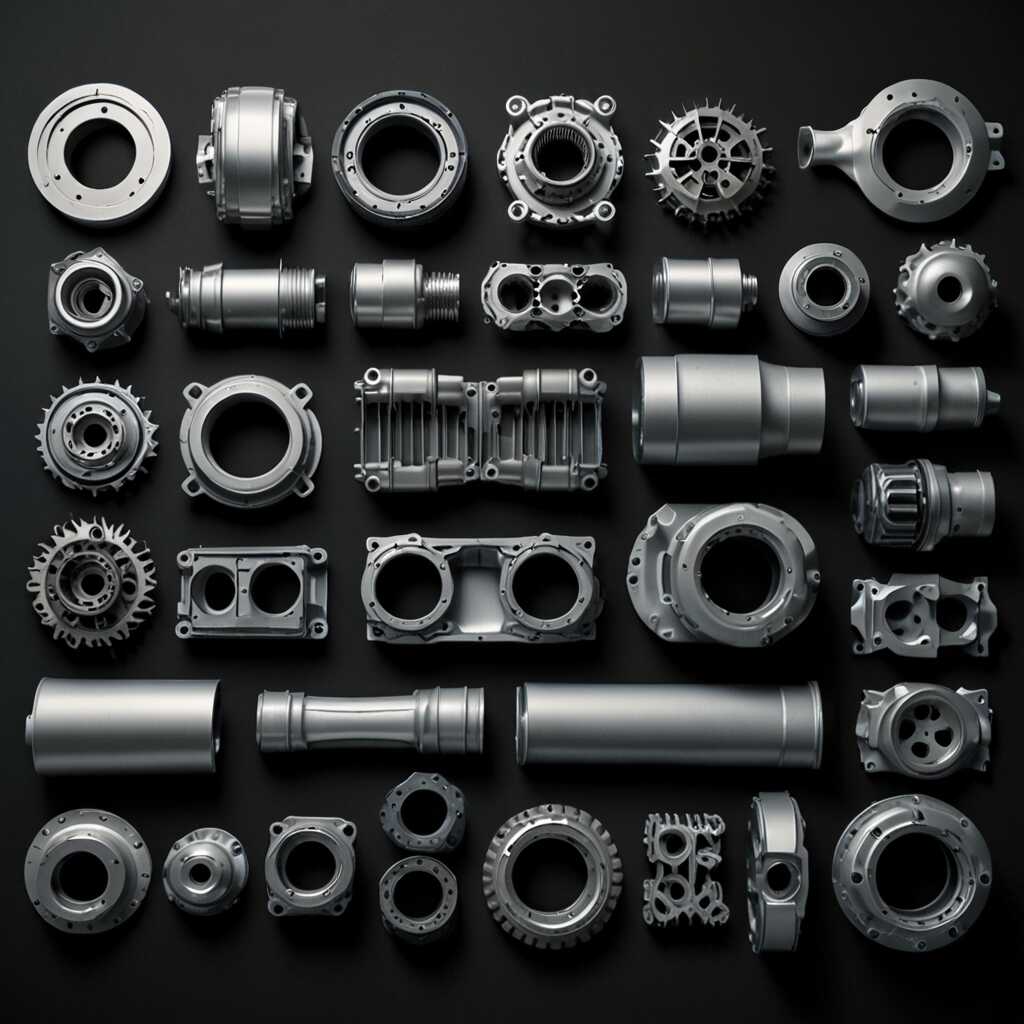
Oil catch cans come in various styles, including inline, air-oil separator, and universal designs. Inline oil catch cans are compact and fit between the crankcase and intake manifold. They work well for standard vehicles. Air-oil separator cans provide extensive filtration by using a series of baffles that trap oil vapor more effectively. Universal designs provide flexibility, allowing experts to customize installation. Popular brands for catch cans include Mishimoto, JLT Performance, and Radium Engineering, known for their reliability and performance. Typically, automotive stores stock about five to ten different types of oil catch cans. Choosing the right oil catch can enhances engine efficiency and prevents harmful vapor contamination.
Choosing the Right Oil Catch Can for Your Vehicle
Selecting the best oil catch can requires understanding your vehicle’s engine setup and intended use. Look for performance oil catch cans that provide durable construction and have undergone extensive testing for reliability. Focus on brands with positive reviews from automotive experts. Ensure the can includes features like a sight glass for monitoring fluid levels and easy drainage for maintenance. When shopping, consider the installation process. Some oil catch cans come with adjustable fittings, while others may need modifications. Prioritize options that align with your vehicle’s performance goals, ensuring they can handle excess oil vapor to enhance engine longevity.
Valuable Advantages of Engine Vapor Management
- They help maintain cleaner intake systems for better airflow.
- Oil catch cans prevent harmful deposits from building in the engine.
- They can improve engine performance during high-stress driving.
- Catch cans reduce the frequency of costly repairs over time.
- They keep your engine running smoothly by reducing oil contamination.
- Oil catch cans enhance overall vehicle longevity and reliability.
- They are an eco-friendly option, reducing pollution from emissions.

Step-by-Step Guide to Installing Oil Catch Cans
Installing an oil catch can enhances engine reliability by preventing harmful vapors. For this process, gather essential tools like wrenches, screwdrivers, and tubing cutters. Compatible vehicles include popular makes such as Ford, Chevrolet, and Honda. Installation usually takes between two to three hours, ensuring a thorough and efficient setup.
Essential Tools for Installation
To install an oil catch can, you need basic tools like wrenches, pliers, and screwdrivers. Tubing cutters are also essential for properly trimming the hoses. Make sure you have a clean workspace. Organizing your tools aids in a smoother installation process. This preparation ensures that you efficiently handle all components during the setup. A well-equipped toolkit enhances your efficiency and makes the job easier.
Factors for Choosing the Ideal Oil Catch Can
When selecting an oil catch can, consider the material, size, and capacity based on your vehicle’s performance requirements. Reliable materials such as aluminum or stainless steel enhance durability and performance. The ideal size should correlate with your engine size; for example, a typical 4-cylinder engine might require a catch can with a 400-500 ml capacity. Research reviews to find models that provide efficient filtration and suit your engine’s specific needs. Look for proven options that offer features designed to maximize functionality and enhance overall engine health.
Choosing the Right Size for Your Oil Catch Can
The size of an oil catch can is essential for its effectiveness. A standard engine typically requires a catch can with a capacity of at least 400-500 ml. Larger engines with higher performance demands may benefit from catch cans up to 1000 ml. Proper sizing ensures that the catch can can handle blow-by gases without overflowing. Ensure it has a sturdy construction to withstand engine vibrations and heat. Select a catch can that provides easy installation while keeping optimal performance in mind, enhancing your vehicle’s efficiency and longevity.
Popular Options for Engine Vapor Solutions
- Brand A offers affordability but lacks advanced filtration.
- Brand B provides higher filtration efficiency, supporting optimal engine health.
- Brand C is user-friendly but may have less capacity than competitors.
- Brand D focuses on performance, ideal for racing vehicles needing robust solutions.
- DIY solutions can be cost-effective for enthusiasts looking to save.
- Eco-conscious drivers prefer high-efficiency models to minimize waste.
- Casual drivers benefit from easy-to-install kits that require minimal maintenance.
Essential Maintenance Practices for Oil Catch Cans
Maintaining oil catch cans is crucial for ensuring reliability and performance. Regular cleaning is one of the best practices to prevent buildup and contamination. This process enhances the efficiency of the catch can. Vehicle type also plays a role in maintenance frequency and methods. For example, turbocharged engines may produce more oil vapors, requiring more frequent checks. Cleaning your oil catch can should occur ideally every 1,000 to 3,000 miles depending on driving conditions. Regular inspection helps identify leaks or clogs, which can affect longevity and vehicle protection.
How to Clean an Oil Catch Can Effectively
Cleaning an oil catch can effectively involves a few simple steps. Start by removing the can from the vehicle. Afterward, empty the contents into a suitable container for disposal. Use a solvent or degreaser to clean the inside thoroughly, ensuring all residue is removed. Rinse with water and let it dry completely before reinstallation. This process maintains the oil catch can’s performance and durability. Additionally, consult your vehicle’s manual for any specific recommendations related to cleaning frequency and methods, which can vary widely depending on your engine setup.