Aluminum car pulleys outlast steel ones and enhance vehicle performance due to their superior properties. They provide significant advantages in terms of durability, weight savings, and efficiency, making them a popular choice among car enthusiasts. CarWorship dives into the technical benefits of aluminum over steel, helping both novice and professional mechanics understand the best options for performance upgrades. By exploring the strengths of aluminum car pulleys, users will gain insights into improved longevity and rotational mass reduction, ultimately leading to better driving experiences.
Defining Rotational Mass and Its Significance in Automotive Performance
Rotational mass refers to the weight of components that rotate in a vehicle, such as pulleys, wheels, and driveshafts. Reducing rotational mass is essential for enhancing automotive performance. When vehicle weight decreases, acceleration improves, and handling becomes more responsive. For example, using aluminum instead of steel in pulleys can lead to significant weight savings. This results in improved engine efficiency and better overall speed. Lightweight materials offer an advantage as they make vehicles more agile and fuel-efficient.
Benefits of Reducing Rotational Mass in Performance Vehicles
Reducing rotational mass in performance vehicles provides notable benefits. For instance, it allows engines to rev faster and enhances the vehicle’s acceleration. Tests show that lightweight pulleys can reduce the wheel’s inertia, enabling quicker gear changes. Switching from steel to aluminum can save several pounds, which directly impacts performance metrics. Lighter components make vehicles feel more responsive and help in achieving better lap times in racing. This performance improvement is particularly crucial in competitive environments where every second counts.
Durability Characteristics of Aluminum That Make It Superior
Aluminum offers remarkable corrosion resistance, significantly outperforming steel. Aluminum pulleys are coated to further enhance this property. Steel typically rusts when exposed to moisture, while aluminum forms a protective oxide layer, preventing degradation. Fatigue rates in aluminum pulleys are lower than in steel. This means aluminum can endure more cycles before failure, making it ideal for high-performance applications. Weight savings when switching from steel to aluminum pulleys can reach up to 40%. This reduction decreases rotational mass, enhancing overall vehicle performance and efficiency.
How Corrosion Resistance Enhances the Lifespan of Aluminum Pulleys
The impressive corrosion resistance of aluminum delivers essential benefits for the longevity of pulleys. Aluminum’s natural oxide layer protects it from rust and corrosion, ensuring it withstands harsh environments. Testing shows aluminum components show little wear over time, even when exposed to saltwater and chemicals. This durability characteristic means fewer replacements and repairs, saving time and costs for vehicles. With an aluminum pulley, owners experience enhanced reliability, ensuring their performance remains uncompromised throughout its lifespan. This proven quality makes aluminum a preferred material for modern automotive applications.
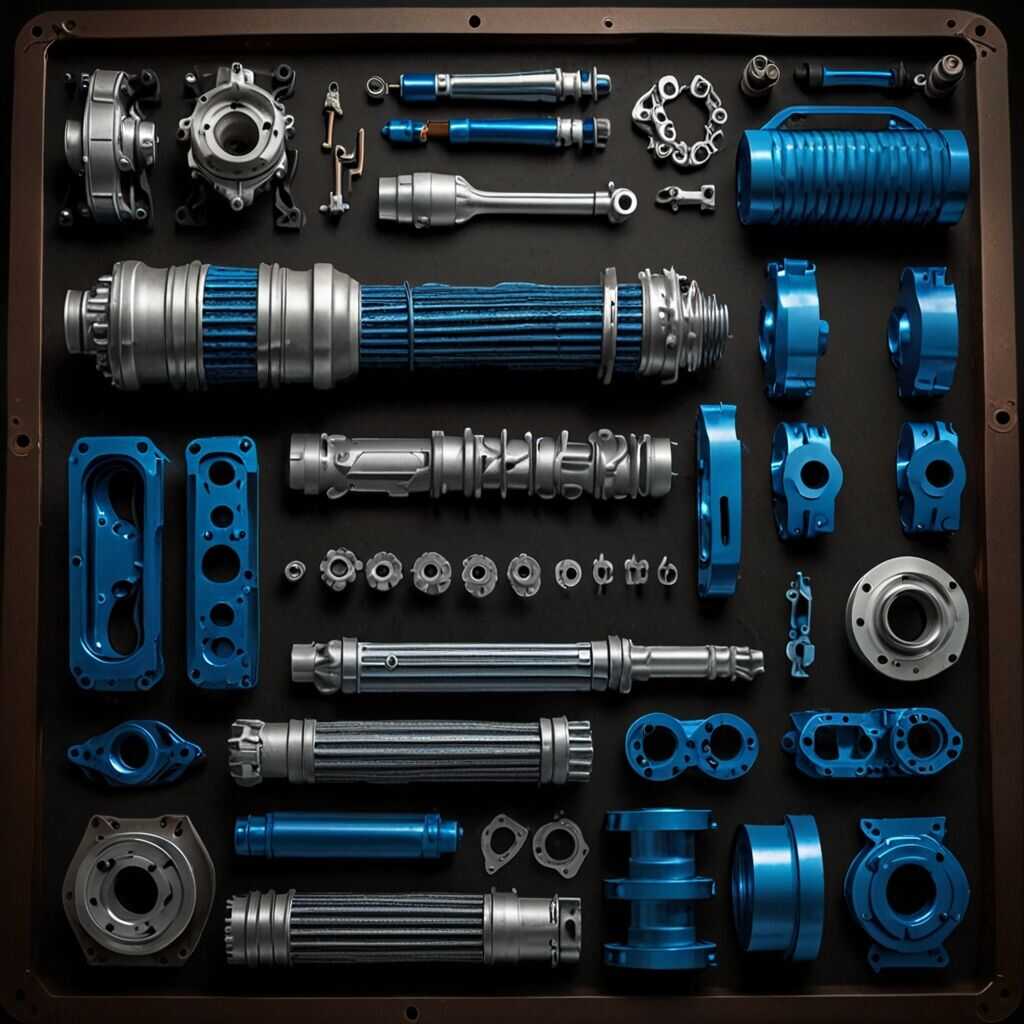
Benefits of Lightweight Pulleys on Engine Performance and Strain
Aluminum pulleys significantly reduce strain on the engine compared to steel pulleys. The lightweight material lowers rotational mass, enhancing engine performance. This reduction in weight leads to improved efficiency and faster throttle response. When engines are less stressed, they operate more reliably, allowing for prolonged use without wear. The combination of strength and less weight makes these pulleys ideal for high-performance applications. Engines that benefit the most include those in racing vehicles and performance cars, as they demand quick acceleration and maximum output. In terms of weight savings, aluminum pulleys can weigh up to 50% less than traditional steel pulleys, making a substantial difference in overall vehicle dynamics.
How Lightweight Pulleys Enhance Throttle Response
Lightweight aluminum pulleys improve throttle response by reducing the power needed to overcome inertia. When the engine revs, lighter pulleys react faster. This rapid response enables quicker acceleration, making driving more enjoyable and responsive. Cars used in racing or high performance settings gain noticeable advantages from these pulleys. The lighter weight helps maintain optimal engine speed without excess strain. Overall, lightweight aluminum pulleys enhance both the driving experience and engine efficiency. The result is a vehicle that feels more agile and capable during acceleration and turns.
Key Statistical Data on Material Longevity and Performance
- Aluminum pulleys can weigh up to 50% less than steel options.
- Aluminum can last 2-3 times longer than steel when properly maintained.
- Aluminum shows up to 20% improved efficiency in engine performance.
- Rotational mass reduction can lead to a 5-10% increase in horsepower.
- Some aluminum pulleys allow for quicker acceleration due to lower weight.
- Steel pulleys typically require more energy to operate, impacting fuel efficiency.
- Aluminum material can withstand higher RPMs, enhancing overall performance.

Cost Analysis: Aluminum vs Steel Pulleys Over Time
The upfront costs of aluminum and steel pulleys can vary significantly. Aluminum pulleys are typically priced higher than steel options due to the manufacturing process and material quality. However, this initial investment can lead to lower long-term costs because aluminum pulleys are known for their durability and light weight. Users benefit from improved performance and reduced wear on the engine components. This leads to less frequent replacements and repairs, ultimately saving money in the long run. Over five years, users may expect maintenance costs for aluminum pulleys to be up to 30% lower due to their enhanced reliability and efficiency compared to steel pulleys.
Understanding Long-Term Value of Pulleys
The value of a pulley extends beyond its purchase price. Aluminum pulleys enhance performance by reducing rotational mass. This contributes to better throttle response and acceleration. In contrast, steel pulleys, while sturdy, can add unnecessary weight and increase strain on the engine. Data shows that aluminum pulleys can improve overall vehicle efficiency. This leads to better fuel economy and reduced emissions. When selecting between aluminum and steel pulleys, consider not just the costs but long-term performance benefits. Aluminum pulleys provide a combination of durability and efficiency, making them a favorable choice for performance enthusiasts.

Real-World Applications of Aluminum Pulleys in Different Vehicles
Aluminum pulleys are vital for enhancing performance across various vehicles. In racing vehicles, aluminum pulleys improve efficiency by significantly reducing rotational mass. This reduction enhances acceleration and cornering abilities, providing an edge in competitive situations. Everyday vehicles often use aluminum pulleys in aftermarket upgrades to boost overall reliability and performance. Many sports cars and modified street cars have adopted these components to optimize engine performance. Motorcycles, too, benefit from aluminum pulleys, which provide weight savings and improve throttle response. Data shows that switching to aluminum can provide weight reductions of up to 40% compared to steel counterparts.
Why Racing Vehicles Prefer Aluminum Pulleys
Racing vehicles rely on aluminum pulleys for their exceptional performance benefits. They are designed to handle extreme conditions while maintaining lightweight characteristics. In racing, every ounce counts, making the weight savings from aluminum pulleys crucial. These pulleys enhance RPM data accuracy, which is essential for optimal engine tuning. Additionally, they contribute to better throttle response and acceleration, enabling faster lap times. Reviews from professional racers indicate that aluminum pulleys are notably more reliable during high-stress situations than steel. This makes them the best choice for competitive racing applications.
Advancements in Material Benefits for Automobile Components
- Less weight improves handling and performance of the vehicle.
- Aluminum’s corrosion resistance leads to enhanced longevity and durability.
- This material reduces engine load, enhancing fuel economy for drivers.
- Aluminum pulleys often require less maintenance due to their resilience.
- Aluminum can be molded into complex designs, optimizing airflow.
- Improved aesthetics can make your engine bay look more appealing.
- Low thermal expansion allows aluminum to maintain shape at high temperatures.

Addressing Misconceptions About Aluminum and Its Limitations
Many myths surround aluminum car pulleys. One common misconception is that aluminum pulleys are weak and prone to failure. In reality, aluminum can provide excellent durability when designed correctly. Some claim that aluminum does not handle high-stress environments well. However, reputable manufacturers use processes to ensure their aluminum products are reliable. The limitations of aluminum involve its heat tolerance and fatigue resistance compared to steel. Aluminum generally has a lower melting point and can lose stiffness under extreme heat. On average, aluminum car pulleys can be about 30% to 50% lighter than steel alternatives. This significant difference in weight enhances performance and efficiency.
Common Misunderstandings About Aluminum’s Sturdiness
Some car enthusiasts worry that aluminum’s lighter weight means reduced quality and sturdiness. However, modern aluminum alloys are specifically engineered for impressive strength-to-weight ratios. For automotive applications, these alloys can withstand high stress while maintaining performance. Testing shows that, under normal driving conditions, aluminum pulleys outperform steel in terms of rotational efficiency. Aluminum pulleys do not provide the corrosion risk that some steel variants do. Furthermore, their design enables easy installation, making them a favorite in performance upgrades. Using quality aluminum pulleys not only lightens a vehicle but also enhances overall performance by delivering lasting reliability.
Practical Maintenance Tips to Extend Aluminum Pulleys Lifespan
Effective maintenance practices are essential for aluminum car pulleys. Regular cleaning with mild soap and water helps prevent corrosion. Use a soft brush to remove dirt without scratching the surface. Avoid harsh chemicals that could damage the aluminum finish. Inspect for cracks or wear during routine maintenance. Keeping the pulleys lubricated enhances their efficiency and longevity. Ensure that the installation is secure to prevent unnecessary vibrations, which can lead to wear. The best replacement interval for aluminum pulleys depends on the vehicle’s usage, but a thorough inspection every 30,000 miles is advisable.
Best Cleaning Methods for Aluminum Pulleys
Cleaning aluminum pulleys regularly is crucial for performance. Use a non-acidic cleaner specifically designed for aluminum surfaces. This cleaner will effectively remove grime without causing damage. After applying the cleaner, rinse thoroughly to remove residue. A soft microfiber cloth works well for drying, preventing scratches. An annual deep cleaning provides an excellent opportunity for thorough inspections. Keeping pulleys free from contaminants not only maintains their aesthetic appeal but also improves performance, ensuring reliability over time.
Popular Brands and Their Applications in Automotive Pulleys
- Belltech offers lightweight options, improving profile and performance.
- Moroso provides pulleys that withstand high RPM applications effectively.
- Some racers prefer AEM for its balance between weight and power.
- Fluidampr specializes in reducing vibration, appealing to motorsport enthusiasts.
- OEM brands ensure reliability but may be less performance-focused.
- Some enthusiasts choose aftermarket parts for customization over stock options.
- Engineers often select aluminum pulleys for their strength-to-weight ratio in builds.
Emerging Trends in Pulley Technology and Materials
Innovations in pulley design include the use of advanced materials like carbon fiber and aluminum alloys. These materials focus on sustainability while enhancing performance. Aluminum pulleys offer significant weight savings over steel counterparts, often reducing weight by up to 30%. Emerging designs also incorporate better aerodynamics, ensuring improved efficiency. New testing methods are reshaping the industry, as manufacturers look for proven ways to enhance durability and reliability. Several companies are now exploring eco-friendly options that help reduce the carbon footprint of automotive components.
Understanding Aluminum Pulley Advantages Over Steel
Aluminum pulleys provide an essential advantage over steel through their lightweight nature. A typical aluminum pulley can significantly decrease rotational mass, thus improving engine response. This reduction in weight allows vehicles to accelerate faster and enhances overall performance. The lightweight design also contributes to better fuel efficiency. In rigorous testing, aluminum pulleys have shown a 20-30% reduction in mass compared to their steel counterparts. This advancement not only boosts performance but also increases the lifespan of the components, as less weight means reduced stress on the engine.