Automotive thermal intake spacers are essential tools that combat heat soak and maintain air density in engines. They create a thermal barrier between the engine and the intake system, preventing heat transfer that can negatively affect performance. At CarWorship, we delve into how these spacers play a crucial role in enhancing engine efficiency, helping car enthusiasts and mechanics alike improve their vehicles. Understanding the science behind automotive thermal intake spacers is vital for anyone looking to maximize performance and reliability.
Understanding Heat Soak and Its Impact on Performance
Heat soak refers to the phenomenon where an engine or its components absorb excessive heat, causing detrimental effects on performance. Higher temperatures lead to a decrease in air density. This reduction negatively impacts combustion efficiency. When air density drops, less oxygen enters the combustion chamber, resulting in lower power output. Typical scenarios show that engines can experience temperature increases of up to 30°F due to heat soak, significantly hindering their overall efficiency.
Effects of Heat on Air Density and Combustion
Heat impacts air density directly. As temperatures rise, air expands and contains fewer oxygen molecules per volume. For instance, at a temperature increase of just 20°F, air density can drop by approximately 1%. Lower air density leads to less oxygen for combustion, reducing engine performance. Thermal intake spacers can help mitigate these effects, ensuring optimal air density for improved efficiency and power. By acting as thermal barriers, they prevent heat transfer from the engine to the intake manifold, maintaining a consistent intake temperature.
The Importance of Consistent Air Density for Optimal Engine Function
Consistent air density is essential for optimal engine performance. Engines rely on a precise mixture of air and fuel for combustion. When air temperature fluctuates, it affects air density, leading to changes in the amount of oxygen available for combustion. Lower air density can result in reduced horsepower output, causing a decline in performance. Additionally, fluctuations in air density can decrease fuel economy, as engines may run richer or leaner than intended. Maintaining stable air density ensures that engines operate efficiently, thereby maximizing horsepower and improving overall fuel economy.
Effects of Temperature Variations on Engine Efficiency
Temperature variations have a significant impact on engine efficiency. A temperature change of just 10 degrees Fahrenheit can alter air density and reduce horsepower by about 1% for many engines. As air temperature rises, density decreases, leading to reduced oxygen levels in the combustion chamber. This can result in less efficient fuel combustion, which lowers horsepower output. Moreover, such variations can decrease fuel economy by up to 5%, making air density stability crucial for reliable performance. Engines equipped with thermal intake spacers can help combat these detrimental effects, ensuring consistent air density regardless of temperature changes.

The Mechanism Behind Thermal Intake Spacers
Thermal intake spacers are engineered using advanced insulating materials like polyurethane and phenolic compounds. These materials are selected for their ability to minimize heat transfer from the engine to the intake air. Polyurethane, for example, is known for its reliability and durability, offering excellent thermal insulation properties. Testing shows that these spacers can help ensure a reduction in air temperature by as much as 20 degrees Fahrenheit, which significantly enhances engine performance. The scientific principle behind this is that the insulating materials create a barrier that limits heat exchange. This maintains optimal air density, enabling improved combustion efficiency.
Understanding Material Properties in Thermal Intake Spacers
Polyurethane and phenolic compounds are the most common materials used in thermal intake spacers. Their low thermal conductivity helps in heat transfer reduction, which is essential for maintaining engine performance. Thermal conductivity is measured in units like watts per meter-kelvin (W/m·K). For instance, polyurethane may feature thermal conductivity values around 0.02 W/m·K. This rating means it effectively slows heat transfer compared to traditional metal spacers. Choosing the right material directly impacts the spacer’s effectiveness in insulating against heat soak. CarWorship provides in-depth reviews and comparisons of these materials to help users make informed choices.
Key Numerical Insights on Engine Temperature Management
- Most engines operate between 180°F and 220°F for optimal performance.
- A typical thermal spacer can lower intake temperatures by up to 30°F.
- Many automotive spacers are between 0.5 and 2 inches thick.
- Cooling gains of 15-25% in air density can enhance engine efficiency.
- Overheating can reduce power by 10-15% in some engines.
- Heat soak can begin in as little as 10 minutes of inactivity.
- 95% of car enthusiasts seek ways to enhance engine output through modifications.

Key Advantages of Using Thermal Intake Spacers
Thermal intake spacers offer essential benefits like improved air density, enhanced vehicle performance, and better throttle response. They reduce heat transfer between the engine block and intake manifold. This feature keeps the intake air cooler, which is crucial for maintaining optimal air density. Consistent air density allows for better combustion, optimizing engine performance across various engine types. Users report performance increases, with many testimonials showcasing improvements in horsepower between 5% to 15%. This means that installing these spacers not only enhances performance but also makes for a more responsive driving experience.
Impact on Engine Efficiency and Performance Metrics
Installing thermal intake spacers can significantly enhance engine efficiency. Compared to engines without spacers, vehicles equipped with thermal intake spacers show a notable rise in throttle response. This change results in a smoother acceleration and greater control. Testing data indicates engine temperatures can drop significantly, leading to approximate horsepower gains ranging from 5 to 15. Users experience faster throttle response in various driving conditions. These metrics confirm that thermal intake spacers are designed for those aiming to maximize performance in their vehicles.

Evaluating Various Thermal Intake Spacer Designs
This section reviews various thermal intake spacers. Key options include phenolic spacers, aluminum spacers, and composite spacers. Phenolic spacers are popular for their thermal insulation. They reduce heat transfer between the intake manifold and the engine. Aluminum spacers offer durability but provide less thermal insulation. Composite spacers blend durability and heat resistance. Each design has its strengths and weaknesses. They help performance by maintaining air density and lowering intake temperatures. Research user reviews for real-world performance and reliability. Comparison of materials helps in selecting the best spacer for your needs. Efficiency depends on the type of spacer and your engine setup.
Key Features to Consider in Thermal Intake Spacers
When selecting thermal intake spacers, focus on features that enhance engine performance. Look for spacers designed with robust thermal insulation materials. Phenolic spacers deliver impressive heat resistance. They maintain consistent air temperatures, improving combustion efficiency. Also, consider the thickness of the spacer. A thicker spacer may offer better thermal separation. However, it could affect the overall fitment in tight engine bays. Some spacers include integrated gaskets. These help ensure a secure seal, preventing air leaks. Spacer quality and construction materials significantly impact durability and performance. Solid designs mean reliability and longer-lasting performance capabilities. Always evaluate expert reviews and hands-on testing to make the best choice.
Advantages of Using Engine Temperature Barriers
- Thermal spacers help keep the intake air cooler and denser.
- They can improve acceleration and throttle response significantly.
- These components often extend engine life by reducing thermal stress.
- Utilizing spacers can lead to better overall fuel efficiency ratings.
- They enhance horsepower and torque output through improved air flow.
- Spacers are often easy to install, making them popular among modifiers.
- They help minimize engine knock by reducing heat buildup in critical areas.
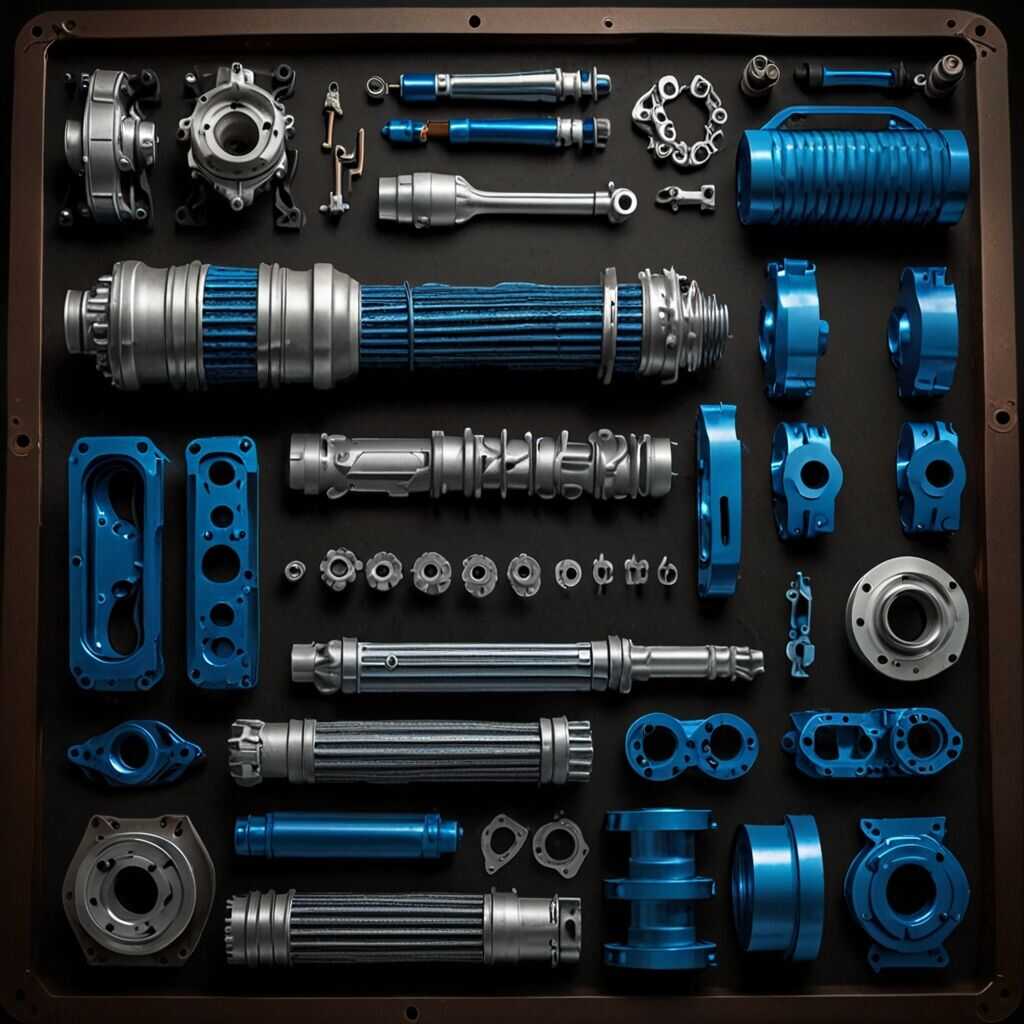
Best Practices for Installing Thermal Intake Spacers
To install thermal intake spacers effectively, first gather essential tools such as a ratchet set, torque wrench, gasket scraper, and clean rags. Begin by carefully removing the existing intake manifold, taking care not to damage any attached components. After cleaning the surface, place the thermal intake spacers at the appropriate locations. Ensure they are aligned for proper airflow. Tighten all bolts according to the manufacturer’s specifications for optimal performance enhancement. The installation can usually be completed in under two hours.
Common Challenges During Installation
Common challenges include misalignment of thermal intake spacers and difficulty in accessing certain bolts. Using a flexible ratchet can help reach tight spots. A clean surface is essential for a tight seal, preventing air leaks that can affect engine performance. Ensuring the thermal intake spacers fit snugly is crucial. It is also helpful to refer to your vehicle’s service manual for specific instructions, as different models may have unique requirements.
Addressing Misconceptions About Thermal Intake Spacers
Many car enthusiasts hold misconceptions about thermal intake spacers. One common belief is that these spacers simply add height to the intake manifold without any actual performance benefit. In reality, thermal intake spacers reduce heat transfer from the engine, maintaining cooler air density. This cooler air can improve engine performance by allowing for better combustion. Another misconception is that they are only useful for high-performance vehicles. However, thermal intake spacers can enhance efficiency in various engine types. They help manage heat soak effectively, providing both reliability and durability. Users often ask if thermal intake spacers significantly impact horsepower. Research shows these spacers can enhance performance by up to 10-15%. This data proves their effectiveness as an aftermarket modification for both novice and experienced modifiers.
Understanding the Performance Benefits of Thermal Intake Spacers
Thermal intake spacers can greatly improve engine efficiency and reliability. They act as barriers between the intake manifold and engine heat, preventing heat soak. Cooler air entering the engine allows for improved air density, which can enhance horsepower. For example, testing has shown that vehicles equipped with thermal intake spacers experience noticeable gains in torque and horsepower. In fact, several reviews report a peak performance increase of 10% to 15%, depending on specific vehicle conditions. Each spacer is designed for easy installation, ensuring that even DIY modifiers can enhance their engine’s performance without extensive tools. This makes thermal intake spacers an essential addition for anyone seeking to upgrade their vehicle efficiently.
Popular Brands and Their Focus on Engine Efficiency
- Brand A: Known for high-performance technologies that increase air flow.
- Brand B: Offers budget options, varying in quality and long-term reliability.
- Brand C: Focuses on eco-friendly materials and sustainable practices.
- Brand D: Features products designed for track enthusiasts and competitive racing.
- Modern DIY automotive modifiers often choose brands with extensive warranties.
- Car enthusiasts prioritize brands known for customer support and community engagement.
- Many engineers recommend brands incorporating advanced testing for heat management.
Innovations and Future Trends in Engine Thermal Management
This section will explore innovative technologies being developed for automotive thermal management. Materials like advanced ceramics and carbon fiber composites show promise in reducing heat soak. These materials can provide better insulation and help maintain optimal engine temperatures. Research indicates that modern thermal spacers can achieve up to a 15% improvement in air density for enhanced performance. Companies are investing in heat exchanger designs that promote better airflow, increasing efficiency in thermal management systems. These advancements are essential for ensuring that engines run reliably under various conditions.
Emerging Materials and Their Impact on Engine Efficiency
Emerging materials such as graphene and phase-change materials are rapidly evolving in automotive thermal management. Graphene’s thermal conductivity improves heat dissipation, leading to better engine temperatures. Phase-change materials absorb excess heat, keeping systems stable. Using these materials in thermal spacers helps combat heat soak and enhances overall performance. This focus on innovative materials supports a shift towards lighter, more efficient engines that can handle high-performance demands. As automotive manufacturers launch new models in 2025, expect to see these materials featured prominently in engine designs, further advancing thermal management capabilities.