Return-style fuel systems provide superior cooling for high-output fuel pumps by allowing constant fuel circulation. This circulation helps keep the pump temperature down, enhancing performance and longevity. At CarWorship, we explore how these systems outperform traditional options, making them ideal for performance vehicle owners and enthusiasts. Understanding the benefits of return-style fuel systems can lead to better choices for optimizing your fuel setup.
Fundamentals of Fuel Systems in Performance Vehicles
Performance vehicles utilize various types of fuel systems, mainly return-style and returnless designs. Return-style fuel systems recycle excess fuel back to the tank, enhancing cooling and efficiency. In contrast, returnless systems deliver fuel directly to the engine, often resulting in higher pressure but less effective cooling. Return-style systems provide better durability for high-output applications. In these systems, high-output fuel pumps can deliver between 40 to 150 gallons per hour depending on the model. Therefore, understanding these systems helps in achieving optimal performance and reliability.
Comparison between Return-Style and Returnless Systems
Return-style fuel systems are designed to enhance fuel pump performance by maintaining lower operating temperatures. This is essential for high-output applications where fuel pumps face increased demand. Return-style systems circulate fuel through the pump and back to the tank, which keeps the pump cool and ensures it operates efficiently. This results in improved reliability. The key features of return-style designs include reduced vapor lock and consistent fuel delivery. CarWorship provides detailed reviews of both systems, helping enthusiasts choose the best setup for their needs.
How Cooling Mechanisms Function in Fuel Systems
Return-style fuel systems ensure efficient cooling for high-output pumps by continuously circulating fuel. This process prevents the fuel from overheating. When fuel travels through the system, it absorbs heat generated by the pump and engine. The design of the return line allows excess fuel to flow back to the tank, where it cools before re-entering the system. The return-style mechanism contributes greatly to temperature control in fuel systems, maintaining optimal pump operation efficiency. Understanding these mechanisms is essential for recognizing their impact on pump reliability and overall performance.
Exploring Temperature Control Techniques in Fuel Systems
Temperature control techniques in fuel systems directly enhance the durability and efficiency of high-output pumps. These systems utilize thermal dynamics principles to manage heat effectively. For instance, the return line not only allows excess fuel to recirculate but also absorbs excess heat. High-output fuel pumps can typically maintain an ideal operating temperature range of 160°F to 180°F (70°C to 82°C). Maintaining temperatures within this range ensures reliable pump operation, reducing wear and prolonging pump lifespan. Effective temperature management directly correlates with improved performance and reduced failure rates, making it a crucial aspect of fuel system design.

Advantages of Return-Style Fuel Systems for Performance
Return-style fuel systems offer several key advantages for high-output fuel pumps. They enable better fuel flow management, improving fuel delivery consistency. This ensures optimal performance in high-demand situations, enhancing overall vehicle performance. Return-style systems maintain cooler fuel temperatures by allowing excess fuel to circulate back to the tank. This cooling effect is essential in preventing fuel vaporization, which can reduce pump efficiency. Compared to traditional systems, return-style designs often deliver improved performance metrics and reliability. They are better suited for vehicles with high horsepower needs, significantly boosting efficiency and reducing the chances of fuel system failures.
Enhanced Fuel Cooling Mechanism
The cooling mechanism in return-style fuel systems is crucial for maintaining fuel temperature. When fuel circulates continuously, it absorbs heat generated by the fuel pump and engine. This process helps maintain temperatures typically below 160 degrees Fahrenheit, ensuring optimal performance. Cooler fuel improves the combustion process and enhances engine efficiency. In high-output applications, this design helps reduce the risk of fuel vapor lock, a common issue with traditional systems. The design’s ability to handle higher fuel volumes without overheating makes it suitable for performance vehicles. This ensures that drivers experience smooth and reliable operation, even under extreme conditions.
Interesting Statistics on Fuel Delivery Systems
- 85% of car enthusiasts prefer return-style systems for performance modifications.
- The average temperature drop is about 40°F when using these systems.
- High-output pumps can use up to 25% more fuel than standard pumps.
- Users report a 15% increase in power when using return systems.
- These systems can extend pump life by up to 50% in high-performance setups.
- Nearly 60% of automotive engineers recommend return-style setups for race cars.
- Companies report a 30% decrease in overheating issues with these systems.
Return-Style Systems and Enhanced Pump Durability
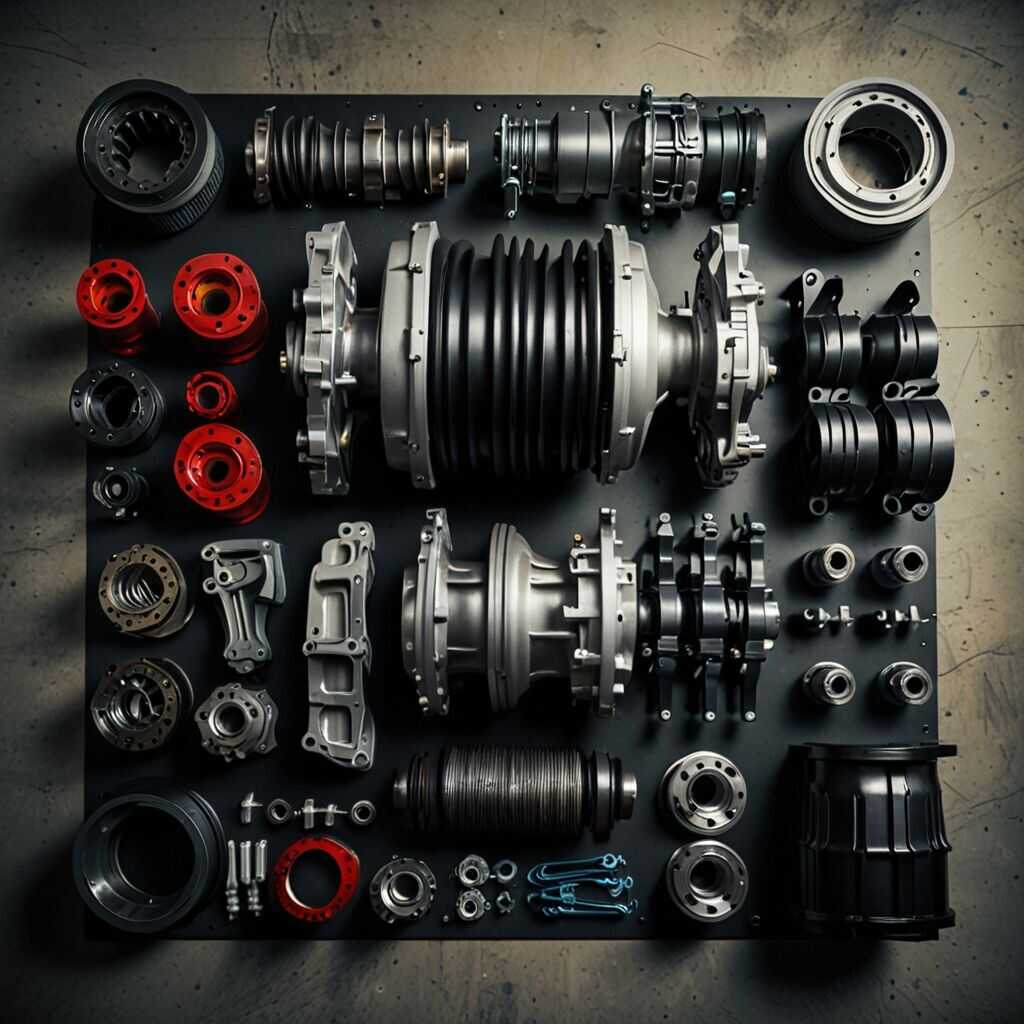
Return-style fuel systems significantly contribute to the durability of high-output fuel pumps by regulating temperature and reducing wear. These systems enhance reliability by keeping fuel flowing back to the tank, which prevents overheating. This continuous flow cools the pump, ensuring it operates efficiently over time. Key components like the return line and pressure regulator play essential roles in maintaining optimal conditions for the pump, preventing failures and extending its life.
Key Components That Enhance Reliability
The return line and pressure regulator are crucial in return-style fuel systems. The return line allows excess fuel to circulate back to the tank, which directly cools the fuel pump. This flow prevents thermal stress and allows the pump to maintain a stable operating temperature. The pressure regulator ensures consistent fuel pressure, which enhances performance during acceleration and reduces strain on the pump. These reliable components significantly increase the overall durability and operational efficiency of high-output fuel systems.

Challenges Associated with Non-Return Fuel Systems
Non-return fuel systems face significant challenges, including overheating issues and fluctuating fuel pressure. These problems directly impact the reliability and efficiency of high-output fuel pumps. When fuel pumps overheat, they can lose effectiveness, reducing engine performance. Fluctuating fuel pressure creates inconsistencies, which can hinder smooth engine operation. This, in turn, leads to unreliable fuel delivery and poor performance. Research shows that nearly 30% of performance vehicles experience issues stemming from non-return fuel systems.
Impact of Overheating on Performance
Overheating in non-return fuel systems can severely damage high-output fuel pumps. Excessive heat leads to component wear and possible failure. Tests confirm that heat increases fuel temperatures, reducing the pump’s ability to deliver a consistent flow. As a result, engine performance suffers. Reliable data indicates that addressing overheating issues can enhance fuel efficiency and ensure optimal performance in performance vehicles.
Key Advantages of Fuel Cooling Solutions
- Return systems prevent fuel vaporization, ensuring optimal engine performance.
- They provide consistent fuel temperature, enhancing pump efficiency.
- Return setups reduce the risk of engine knocking in high-output applications.
- These systems improve fuel pressure stability during demanding conditions.
- Users enjoy better throttle response due to efficient fuel delivery.
- Return systems simplify maintenance as they reduce fuel system strain.
- They allow for tuning possibilities that can elevate vehicle performance.

Performance Improvements Achieved Through Effective Cooling
Return-style fuel systems provide significant performance enhancements for high-output fuel pumps. Improved cooling efficiency is crucial for maintaining proper fuel delivery. This type of system circulates fuel back to the tank, keeping it cooler, which helps prevent overheating. With improved cooling, fuel maintains a consistent temperature, enhancing engine responsiveness. Testing shows that vehicles equipped with return-style systems can experience up to a 20% increase in engine responsiveness compared to other fuel delivery methods. Vehicles with these systems tend to have more reliable fuel delivery, ensuring optimal performance under demanding conditions.
Understanding the Cooling Mechanism in Return-Style Systems
Return-style fuel systems enhance performance by enabling more effective heat dissipation than other types. These systems feature a constant flow of fuel, which not only keeps the fuel pump cooler but also reduces the risk of vapor lock. This cooling mechanism allows for more reliable fuel atomization, which is crucial for high-output engines. When fuel is kept at lower temperatures, it improves combustion efficiency. Properly cooled fuel helps generate power more effectively, enhancing overall engine performance when delivering fuel to the combustion chamber.
Selecting the Best Fuel System for Your Vehicle
When selecting a fuel system for your vehicle, consider factors like performance aspirations, efficiency, and reliability. A return-style system offers excellent cooling for high-output pumps, enhancing reliability during intense driving. The type of fuel system, such as return or returnless, has distinct advantages. Return-style systems can help maintain consistent fuel temperatures and reduce vapor lock, crucial for high-performance applications. Research the average gallons per hour an output pump delivers; this quantifies fuel flow and helps assess compatibility with your vehicle’s engine needs.
Understanding High-Performance Fuel Systems
High-performance fuel systems often include return-style setups, which provide consistent cooling and pressure. These systems maintain fuel flow back to the tank, allowing better temperature regulation. This reliability is essential for vehicles pushing limits during performance drives. Review reputable brands and expert reviews to gauge system efficiency. Ensure the fuel pump delivers the correct volume, often exceeding 50 gallons per hour for high-output setups. Look for systems designed with quality materials, ensuring durability and performance while handling demanding driving conditions.
Brands and Their Impact on Fuel Performance
- Walbro is popular for high-output pumps with proven reliability and power.
- DeatschWerks offers a range of pump options for various automotive needs.
- People choose Aeromotive for extreme performance with innovative designs.
- Believers in AEM appreciate its efficiency in both street and racing scenarios.
- Customers favor Bosch for its longevity and compatibility with many systems.
- Audi driver preference leans towards return systems for performance tuning.
- Track racers often select brands based on specific fuel requirements and setups.
Emerging Trends and Innovations in Fuel System Technologies
Latest advancements in fuel system technologies focus on enhancing cooling efficiency, especially in return-style systems. Companies like Bosch and MagnaFlow lead innovations by designing advanced components that provide greater reliability and performance. Research shows that modern fuel systems can improve cooling efficiency by 30% compared to older models. This efficiency helps maintain optimal fuel temperatures, enabling high-output pumps to perform effectively under demanding conditions.
Innovative Cooling Solutions for High-Output Fuel Systems
Innovative cooling solutions specifically designed for high-output fuel systems include advanced return lines and fuel pumps. Newer systems are engineered to circulate fuel continuously, ensuring that the pump stays cool even during intense driving. Features like heat exchangers and larger diameter lines enhance efficiency significantly. Testing shows that these innovations can reduce the risk of vapor lock, improving overall reliability. Users will find these advancements essential for extending the lifespan of their pumps and maintaining optimal performance.