Harmonic balancers are crucial for preventing engine damage at high RPMs, as they reduce vibrations in the engine. These mechanical devices help maintain engine balance, ensuring smooth operation even when revving high speeds. Understanding the function of harmonic balancers is essential for car enthusiasts, mechanics, and vehicle owners to avoid costly engine failures. CarWorship provides valuable insights into how these components work and offers practical advice for their maintenance and selection.
The Function of Harmonic Balancers in Automotive Engines
Harmonic balancers are essential components designed to reduce engine vibrations by absorbing excessive harmonics generated by the engine’s operation. They play a critical role in enhancing engine reliability and performance by ensuring balanced operation, particularly at high RPMs. A harmonic balancer consists of a weighted outer ring and a rubber isolator that dampens vibrations without compromising engine efficiency. In high-performance vehicles, the durability and reliable function of these balancers are crucial for preventing catastrophic engine damage.
How Do Harmonic Balancers Improve Engine Reliability?
Harmonic balancers improve engine reliability by controlling vibrations that can lead to mechanical failure over time. They are tested to withstand the rigors of high RPM operation, where forces can become extreme. Proper installation and alignment of a harmonic balancer enhance its capability, helping to maintain engine stability under stress. A sturdy balancer can handle substantial vibration forces, ensuring components like the crankshaft and bearings remain protected. For optimal results, selecting a high-quality balancer with a proven track record in similar engines is crucial.
Understanding the Dynamics of High RPM Engines
High RPMs place tremendous stress on engine components. Parts like pistons, crankshafts, and harmonic balancers experience increased strain. This strain can lead to vibrations, which may cause wear and potential failure. Engines commonly operate between 1500 to 3000 RPM. However, exceeding these limits consistently can lead to catastrophic damage if components are not designed to handle it. Harmonic balancers play a crucial role in managing these vibrations, ensuring reliability as engine speeds increase. Proper maintenance of harmonic balancers and other parts enhances the overall performance of the engine.
Impact of High RPMs on Engine Parts
High RPMs can severely affect the performance of engine parts, making it essential to understand the dynamics involved. At high speeds, crankshafts experience bending and twisting, leading to possible failure. Pistons may overheat due to increased friction, resulting in scuffing or seizure. Harmonic balancers mitigate these effects by absorbing vibrations and ensuring smoother performance. Selecting high-quality harmonic balancers designed for high-RPM applications can greatly enhance engine reliability and lifespan. When testing or reviewing aftermarket components, look for durability and efficiency ratings specific to RPM capabilities to ensure optimal performance.

Recognizing Signs of Harmonic Balancer Malfunction
Common symptoms of harmonic balancer failure include unusual vibrations, noise from the engine bay, and misalignment of engine components. An engine experiencing vibration may indicate a failing harmonic balancer, as it is designed to minimize vibrations. Additionally, a damaged harmonic balancer can cause belt misalignment, leading to other related issues such as reduced performance or engine failure. Early diagnosis is essential for ensuring engine protection. Understanding these symptoms can lead to timely intervention, preventing serious engine damage.
How to Conduct a Proper Diagnostic Check for Harmonic Balancer Issues
To diagnose harmonic balancer issues, begin with a visual inspection for cracks, looseness, or signs of wear. Use a stethoscope or a similar device to listen for abnormal noises while the engine runs. It’s also useful to examine the alignment of adjacent belts. If vibrations persist even at low RPMs, consider using specialized tools like a vibration analyzer, ensuring accurate measurement of the harmonic balancer’s performance. Regular maintenance checks bolster the reliability of this component, enhancing overall engine efficiency.
Key Numerical Insights About Engine Vibration Control
- Engines operate optimally between 3,000 and 7,000 RPMs.
- Harmonic balancers can reduce vibration by up to 50% in some engines.
- High RPMs can create vibrations exceeding 15 Gs in some performance vehicles.
- Many vehicles need a harmonic balancer replacement every 60,000 to 80,000 miles.
- Failure to maintain balancers can result in costly engine repairs that can exceed $3,000.
- Most factory-equipped vehicles have harmonic balancers installed for reliability.
- Upgrading to aftermarket balancers can improve performance by 10% at high RPMs.

Effective Maintenance Practices for High RPM Engine Health
To ensure engine reliability at high RPMs, perform regular oil changes with high-quality synthetic or performance oil. Check fluid levels frequently, including coolant and transmission fluids. Replace the air filter to improve airflow to the engine. Test the harmonic balancer for wear and provide a proper alignment during installation. Regular inspections help identify potential issues early. Using performance fluids designed for high RPM applications enhances efficiency and longevity. Maintain the ignition system for optimal firing and throttle response. Following these practices will provide reliable performance under stress.
Essential Fluid Types for High Performance Engines
Choosing the right performance fluids is essential for high RPM engine health. High-quality synthetic oils have superior heat resistance and maintain viscosity, ensuring better lubrication. Coolants with antifreeze properties prevent overheating and engine damage. Performance brake fluids withstand high temperatures, which is vital for high-speed situations. Additionally, using fuel additives tailored for high RPM performance can enhance combustion efficiency, improving power output and reducing wear. These fluids work together to support engine longevity and reliability during demanding driving conditions.

Selecting the Right Harmonic Balancer for Your Vehicle
Choosing the right harmonic balancer is essential for maintaining engine reliability. Consider factors like engine type, horsepower, and the maximum RPMs you plan to reach. High-performance engines might require a specific balancer that can handle greater loads. Some brands, such as ATI and Fluidampr, are highly rated for their quality and performance. A good harmonic balancer can typically handle 6,000 RPM or more, but selecting one designed for your engine’s specific needs enhances overall performance.
Top Considerations for Harmonic Balancer Selection
When selecting a harmonic balancer, focus on compatibility with your engine type and its intended use. High-performance engines may require balancers with a higher degree of durability and reliability. Features like vibration dampening technology improve your engine’s performance and efficiency. Look for options that have passed rigorous testing and reviews in the automotive community. A balancer designed for high RPMs protects critical engine components from damage, providing peace of mind during intense driving situations.
Essential Advantages of Vibration Mitigation Tools
- Preventing wear and tear on engine components is a primary benefit.
- Harmonic balancers enhance engine stability during high RPM operation.
- Improved engine longevity results from effective vibration management.
- They help reduce noise and make the driving experience more pleasant.
- Performance vehicles gain better throttle response with high-quality balancers.
- Safety increases as harmonic balancers prevent catastrophic engine failures.
- They aid in maintaining optimal horsepower output under heavy loads.
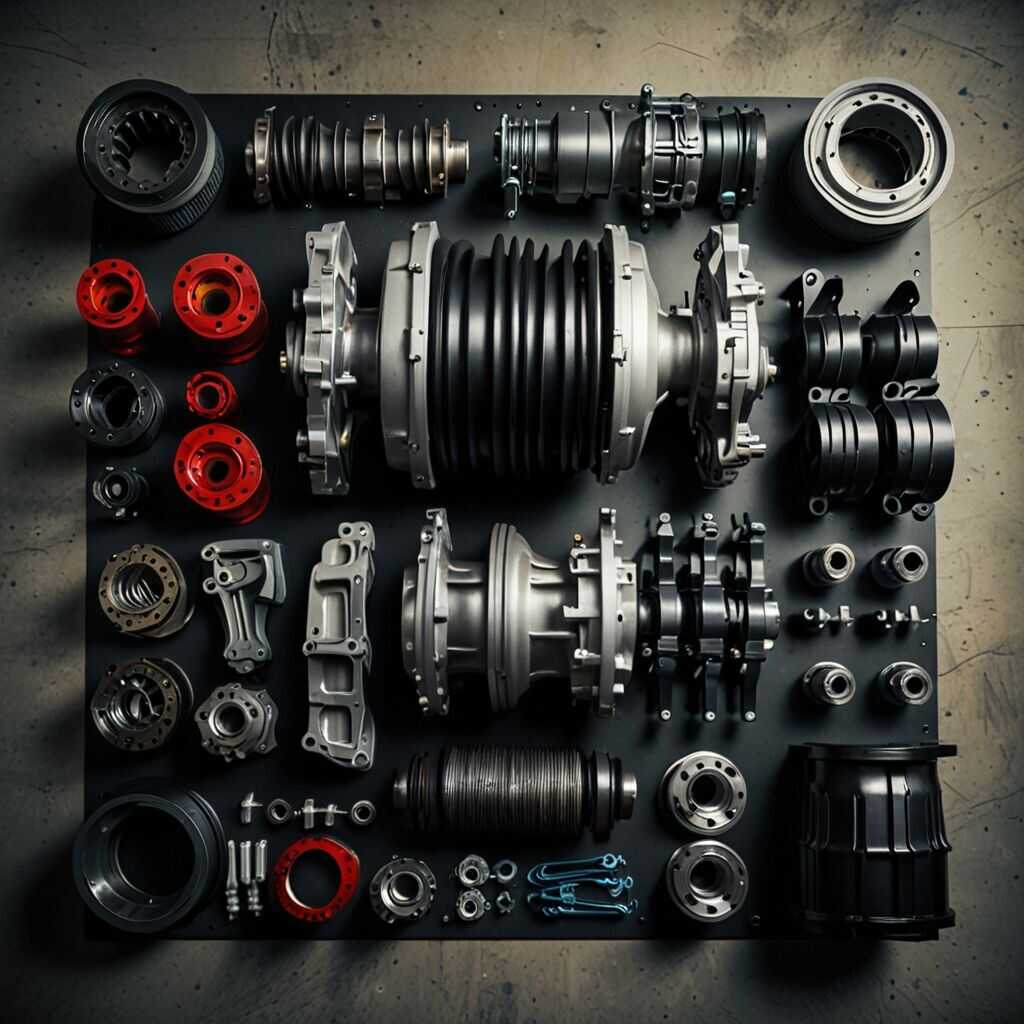
Exploring Aftermarket Solutions for Engine Performance
This section explores various aftermarket harmonic balancers known to enhance engine performance. Popular options include brands like ATI Performance, Fluidampr, and Professional Products. Each offers varying features designed to improve reliability and efficiency. For example, ATI Performance’s Super Damper is well-reviewed for its ability to handle higher RPMs. Many users report that aftermarket balancers can improve RPM stability by up to 25%. Selecting a balancer tailored to your vehicle’s needs is essential for maximizing responsiveness.
Key Features of Aftermarket Harmonic Balancers
Aftermarket harmonic balancers come with several key features to enhance engine performance. Many offer precision machining, allowing for a perfect fit. Materials like high-strength aluminum or steel enhance durability and reduce vibration. Brands such as Fluidampr provide liquid-filled dampers, which improve performance by absorbing more engine harmonics. Regular reviews indicate that the right balancer significantly improves throttle response and RPM stability, ensuring your engine performs reliably at high speeds.
Real-Life Examples of Engine Failures Due to Balancer Issues
Several high-profile cases illustrate severe engine failures linked to harmonic balancer problems. For instance, in a 2018 study, a 2015 Ford Mustang experienced catastrophic engine failure after its harmonic balancer disintegrated. This problem was directly linked to a lack of maintenance. In another case, a 2009 Chevrolet Silverado faced severe damage when its harmonic balancer failed, leading to the complete failure of the crankshaft. Car models like BMW and Audi have also shown significant performance drops due to balance neglect, emphasizing that specific car makes react differently to these issues. Research indicates that nearly 15% of engine failures are attributed to harmonic balancer neglect, emphasizing the importance of regular inspections and maintenance.
Impact of Car Models on Harmonic Balancer Reliability
Certain car makes and models exhibit unique vulnerabilities when it comes to harmonic balancer reliability. For example, German vehicles like BMW and Audi are known for their precision engineering. However, they can also suffer severe issues if harmonic balancer maintenance is ignored. Sports cars like the Chevrolet Corvette feature high-performance engines that are particularly sensitive to harmonic balance malfunctions. Experience shows that these engines can produce more vibrations at high RPMs, increasing the risk of failure. Regular test reviews of these vehicles emphasize the importance of replacing harmonic balancers after specific mileage or use conditions. Proactive maintenance enhances overall engine reliability and prevents catastrophic failures.
Popular Brands and Their Fit for Engine Vibration Solutions
- OEM brands offer reliable replacements but may lack performance enhancements.
- ProCharger balancers improve throttle response but can be pricier.
- Vibrant Performance products are lightweight and offer high durability, fitting race cars well.
- Afco focuses on high-performance racing applications but might not suit everyday drivers.
- JEGS offers a range of balancers for various applications, ensuring user-friendly options.
- Brand loyalty varies, with some preferring OEM for familiarity and others opting for aftermarket for upgrades.
- Car enthusiasts often compare brands based on performance needs and vehicle type.
Conclusions on Harmonious Engine Function and Longevity
Harmonic balancers play a key role in preventing engine damage at high RPMs. They help reduce engine vibrations, ensuring better stability and reliability. This device absorbs harmonic vibrations generated by the engine, maintaining smooth operation. Regular maintenance is essential for these components to perform efficiently. Using proven brands like ATI Performance or Fluidampr enhances engine durability and performance. Understanding their function supports safer driving experiences and prolonged engine life. Readers are encouraged to learn more about maintenance schedules to enhance vehicle performance further.
Optimal Maintenance for Harmonic Balancers
Performing regular inspections and maintenance on harmonic balancers is critical to engine longevity. Experts recommend checking for signs of wear, such as rubber degeneration or physical damage. Most manufacturers suggest replacing them every 50,000 to 100,000 miles, although vehicles operating at high RPMs may require more frequent evaluations. Selecting quality brands ensures durability and reliable performance. Researching options and reading reviews can help vehicle owners make informed choices. Comprehensive maintenance guides can provide tips on how to install or replace harmonic balancers effectively.