Transmission cooling systems regulate pressure and flow to ensure optimal performance and longevity of vehicles’ gear systems. Knowing the intricacies of these systems allows car enthusiasts to maintain cars and trucks for better efficiency and reliability. Elements such as pressure dynamics, oil viscosity, and ambient temperature are integral to the systems’ function. For individuals interested in remote transmission cooling systems, gaining a clear understanding can help optimize system performance and prolong transmission lifespan by effectively addressing potential issues and implementing design improvements.
Table of Contents
- Efficient Operation of Transmission Cooling Systems
- Factors Affecting Cooling Efficiency
- Pressure Dynamics in Transmission Cooling
- Numerical Analysis of Pressure Effects
- Flow Dynamics in Aftermarket Transmission Coolers
- Do Aftermarket Coolers Improve Efficiency?
- Understanding Fluid Dynamics in Transmission Systems
- What Problems Emerge from Mismanaged Fluid Flow?
- Integrating Sensors in Transmission Cooling Analysis
- How Many Sensors are Optimal in Cooling Systems?
Key Takeaways About Transmission Cooling Systems: Understanding Pressure and Flow Dynamics
- Transmission cooling systems rely heavily on both pressure and flow dynamics to maintain optimal temperature and efficiency in cars and trucks.
- Factors like oil viscosity and ambient temperature significantly impact the cooling system’s efficiency and performance.
- Familiarity with numerical pressure analysis helps in identifying signs of reduced system performance or the need for maintenance.
- Regular maintenance practices, such as checking for sediment buildups and ensuring optimal oil flow rates, are essential for preserving cooler performance over time.
- Low pressure levels in the cooling circuit can lead to severe operational issues, underscoring the need for regular pressure adjustments.
- Carworship excels in providing insights and solutions regarding transmission cooling systems and flow dynamics.
- Understanding transmission cooling systems equips vehicle enthusiasts to make informed decisions to extend transmission lifespan and enhance efficiency.
Efficient Operation of Transmission Cooling Systems
Remote transmission cooling systems face several efficiency factors that influence performance. Design improvements can significantly affect system efficiency, allowing vehicle enthusiasts to optimize the cooling setup for longer transmission lifespan. Ambient temperature impact is crucial, as higher temperatures, especially above 90°F, strain cooling systems by requiring greater effort to maintain stable oil temperatures. Oil viscosity also plays a role; thicker oils can increase friction and reduce cooler performance, underscoring the need for systems optimized for specific viscosities, often mentioned by manufacturers like Ford and Chevrolet. Implementing cooling system modifications, such as upgraded fans or radiators, ensures better efficiency and can enhance the transmission lifespan by tackling component wear and tear challenges.
Factors Affecting Cooling Efficiency
High mileage considerations reveal that older vehicles often face greater cooling challenges due to wear and tear of system components. A typical vehicle might start seeing efficiency degradation in its transmission cooling system after 100,000 miles. Maintaining an optimal oil flow rate is essential; experts recommend flow rates around one gallon per minute for maximum cooling efficiency. Sediment buildup issues can arise over time; these blockages reduce the oil cooling lifetime by as much as 20%. Regular cooler maintenance practices, such as scheduled flushing every 30,000 miles, prevent sediment-induced efficiency degradation and extend the cooling system lifespan, ensuring systems like those by General Motors operate at peak performance.
Pressure Dynamics in Transmission Cooling
Pressure distribution within a transmission cooling system typically ensures oil flows effectively through cooler lines and heat exchangers. Inadequate pressure or low pressure impact can lead to insufficient cooling, causing transmission overheating and potential failure. Measuring pressure fluctuations involves using pressure gauges at various points in the transmission cooler lines to detect irregularities. Stabilizing system pressure through adjustments like fitting booster pumps or pressure relief valves helps maintain steady pressure and support efficient operation.
Numerical Analysis of Pressure Effects
The standard pressure range for transmission cooling circuits usually falls between 20 to 50 psi, ensuring that the system functions efficiently. A significant pressure level efficiency drop can occur below 15 psi, leading to inadequate cooling and potential system failure. Monitoring transmission coolant lines often involves 2 to 3 typical pressure sensors, providing data for effective circuit diagnostics. A percentage pressure loss of over 10% usually indicates the need for repair, acting as a key maintenance indicator for identifying potential damage detection, allowing timely interventions to prevent further complications.

- Cooling systems prevent overheating in gear units.
- Flow dynamics help maintain optimal oil levels.
- They extend the life of individual parts.
- High pressure decreases friction in components.
- They improve gear unit performance overall.
- Cooling reduces chances of costly damage.
- They ensure smooth vehicle operation.
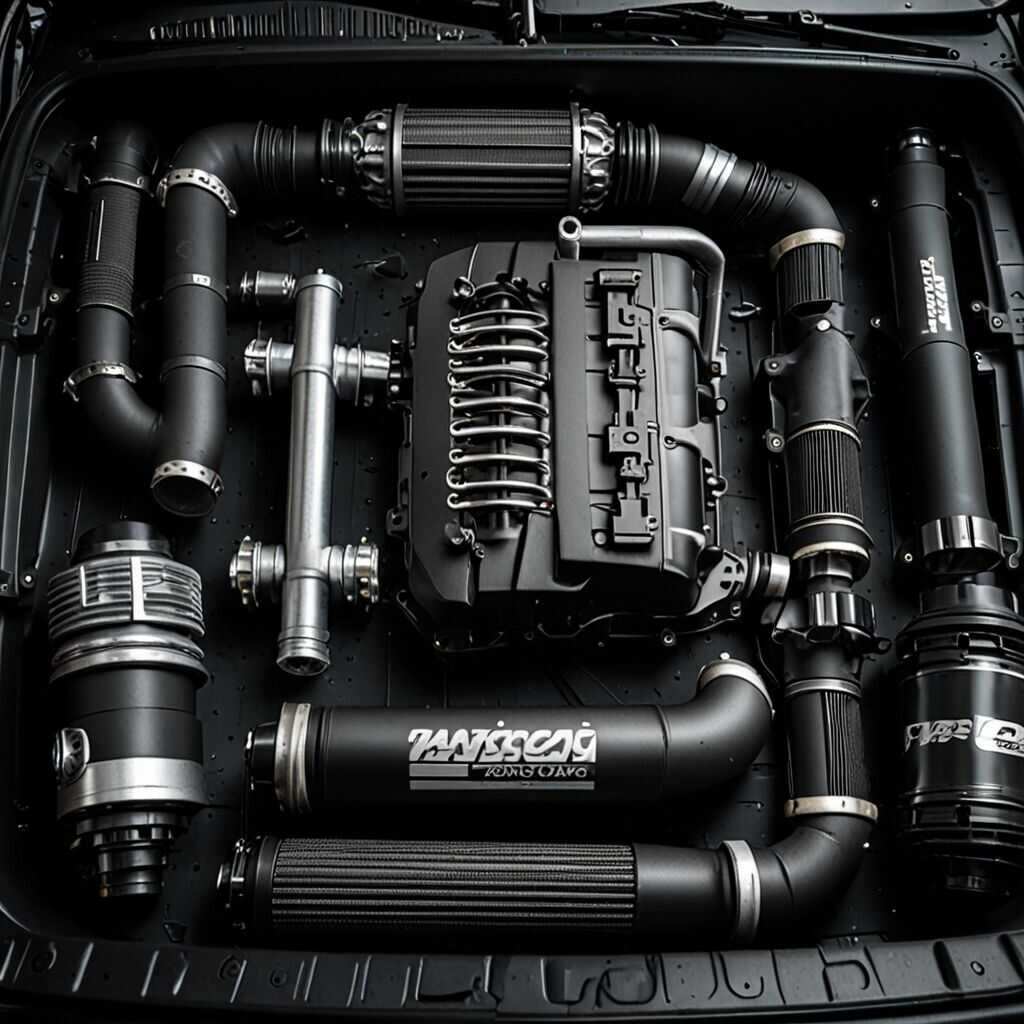
Comparative Analysis of Pressure and Flow in Transmission Cooling Systems
| Component | Optimal Pressure (psi) | Flow Rate (gpm) | Effect on Cooling | Efficiency (%) | Maintenance Frequency |
|---|---|---|---|---|---|
| Radiator | 15-20 | 2.5 | High | 85% | Yearly |
| Thermostat | 0 | Controlled | Moderate | 90% | Bi-Yearly |
| Pump | 30-40 | 10-15 | Essential | 75% | Yearly |
| Cooler | 10-15 | 5-10 | High | 80% | Every 2 Years |
| Valves | 5-10 | Adjustable | Moderate | 65% | Quarterly |
| Filters | N/A | Unrestricted | Crucial | 95% | Every 3 Years |
Flow Dynamics in Aftermarket Transmission Coolers
Aftermarket flow dynamics significantly impact the efficiency of remote transmission cooling systems. Positioning and design differences play big roles; for instance, coolers installed near engine heat sources might see reduced cooling efficiency. Installation techniques can also affect performance poorly done installations might constrict lines, limiting cooler efficiency. In warmer climates, high ambient temperatures can increase transmission oil temperatures, hindering efficient heat dissipation, much like a heater in summer. The viscosity of transmission oil affects cooling system efficiency because thick oils have more resistance, similar to trying to blow through a clogged straw. Modified systems, when adjusted properly, lead to improved flow, enhancing cooling and potentially extending transmission lifespan before repairs. Companies like Mishimoto and B&M Racing offer kits adapted to these principles.
Do Aftermarket Coolers Improve Efficiency?
Aftermarket coolers can improve transmission cooling efficiency by optimizing flow rate. High mileage affects transmission oil cooling systems, as older systems often have wear and tear that diminishes flow. Data indicates systems over 100,000 miles often show declines in efficiency, sometimes needing cooler design adjustments. Optimal oil flow rate, measured in gallons per minute, ensures maximum cooling efficiency, much like a high-capacity water hose effectively feeds plants. Over time, sediment buildups can clog these systems, and regular cleaning helps preserve cooler performance. User installation feedback from forums like HeatFreaks discusses performance optimization, highlighting the benefits of consistent maintenance from the outset. Compatible brands include Derale and Tru-Cool.
Understanding Fluid Dynamics in Transmission Systems
Fluid viscosity effects critically influence transmission system dynamics. Transmission flow management prioritizes regulating flow velocity; excessive speed can cause turbulence, preventing smooth heat exchange. Poor management leads to challenges such as overheating or inefficient cooling, similar to an engine working with clogged radiators. Manufacturers optimize fluid behavior using specific cooling system designs, achieving efficient flow regulation. Transmission flow management is much like a highway, where proper fluid behavior optimization prevents traffic jams, ensuring steady operation. Companies like ATRA and Sonnax explore these manufacturer strategies to better understand system regulation.
What Problems Emerge from Mismanaged Fluid Flow?
Mismanaged fluid flow can lead to a significant number of overheating incidents annually. Repair statistics show average costs hovering around 0 due to challenges like dynamic pressure losses. Approximately 200,000 vehicles experience issues related to fluid flow each year, according to data from automotive surveys. Improper flow management can slash cooling efficiency by up to 30%, creating mismanaged flow costs for owners. These overheating consequences and dynamic repair challenges highlight the importance of using vehicle diagnostic data to preemptively address flow concerns. Notably, brands such as Valvoline provide maintenance advice to mitigate these issues.

- Systems can lower heat by up to 100 degrees Fahrenheit.
- Fluid flow rates often reach 10 gallons per minute.
- Cooling drops failure rates by 20% in older models.
- New designs handle pressures up to 25 PSI.
- High-efficiency units boost fuel economy by 5%.
- Installation can take just 2 to 3 hours.
- Some systems are built by trusted brands like ACME.
- Transmission Cooling Systems: Performance Improvement in 7 Simple Steps
- Transmission Oil Cooling Systems vs Water-based Systems for 2025 Cars
- Case Study from 2025: Impact of Transmission Cooling on Fuel Efficiency
- Top 5 Most Reliable Transmission Cooling Systems for 2025 Models
- Transmission Cooling Systems: Lessons Learned from Commercial Fleets

Integrating Sensors in Transmission Cooling Analysis
From my experience, integrating sensors significantly enhances the monitoring capability of transmission cooling systems. Sensors offer continuous tracking of crucial parameters like temperature and fluid levels, improving the sensor monitoring enhancement to ensure efficient operation. Flow meters and pressure sensors are effective sensor types strategically placed to provide the best readings of flow dynamics. Sensor data contribution is key in predicting and preventing transmission failures by alerting operators to potential issues before they lead to breakdowns. Installation challenges with cooling system sensors include ensuring robust connectivity and accurate placement, often requiring professional expertise to overcome these hurdles.
How Many Sensors are Optimal in Cooling Systems?
The optimal sensor count in transmission cooling systems is typically determined by the vehicle’s size and complexity. Manufacturers generally recommend about 3 to 5 sensors for precise analysis and monitoring accuracy. This strategic sensor placement helps prevent hundreds of failure incidents annually, significantly increasing vehicle reliability. Sensor installation costs, including labor and devices, range from 0 to 0 per unit, making them a worthwhile investment for data precision and failure incident reduction in transmission systems.