Truck frame extensions often spark debate over whether the benefits outweigh the regulatory challenges involved. These extensions can enhance transportation efficiency, increase carrying capacity, and widen vehicle applications but also introduce complex rules and compliance requirements for enthusiasts and industry professionals. Understanding the intricate landscape of regulations, costs, and process intricacies informs whether truck frame modifications are ultimately worth the effort for those who love cars and trucks.
Table of Contents
- Regulatory Impacts on Transportation Efficiency
- Evaluation of Frame Compliance Standards
- Cost Implications of Overcoming Regulatory Hurdles
- How Much Do Legal Fees Typically Cost?
- Strategic Considerations for Extended Frame Usage
- District-Specific Frame Usage Policies
- Do Regulations Justify the Costs of Truck Extensions?
- How Do Companies Calculate ROI for Extensions?
- Impact of Regulations on Truck Frame Manufacturer
- What Drives Manufacturer Innovation Under Regulations?
- Assessing the Long-Term Benefits of Frame Extensions
- Do Frame Extensions Improve Asset Lifecycles?
Key Takeaways on Truck Frame Extensions and Regulatory Hurdles
- Truck frame extensions can improve vehicle functionality but face strict safety regulations.
- Most frame extension guidelines stem from federal transportation policies developed over decades.
- State-specific laws can lead to varied legal requirements for modified truck frames.
- Logistics companies can face increased costs when complying with truck extension standards.
- Compliance costs can sometimes exceed fines when legal expenses are considered.
- Expense analysis reveals that operations may require as much as 20% spent on legal compliance.
- Carworship provides expert analysis on whether truck frame extensions are worth the hurdles.
Regulatory Impacts on Transportation Efficiency
Federal transportation policies heavily influence transportation efficiency by imposing strict vehicle compliance standards. Guidelines for truck frame modifications outline specific requirements, such as weight load and frame integrity, to ensure highway safety. Differences in truck extension guidelines across states result in variability in compliance adherence, with each state’s transportation laws dictating unique frame modification permits. Logistics companies often experience efficiency reduction factors due to logistics compliance requirements, increasing operational complexities for businesses using extended frames.
Evaluation of Frame Compliance Standards
Frame compliance is assessed based on Department of Transportation guidelines that include frame integrity testing procedures. Compliance checks are frequently conducted, with inspections occurring quarterly. Agencies such as the National Highway Traffic Safety Administration and other commercial vehicle enforcement agencies oversee compliance standards, ensuring weight load compliance and safety inspection protocols. Larger vehicles, like commercial trucks, often face challenges with rare violations instances due to stricter compliance incentivization programs.
Cost Implications of Overcoming Regulatory Hurdles
Meeting truck extension regulations incurs significant regulatory compliance expenses, which often involve extensive transportation cost-benefit assessment. On average, companies can spend upwards of ,000 annually on legal fees related to compliance, a number derived from legal fee analysis by industry experts. Compliance costs generally outweigh potential fines, as seen in financial risk management case studies showing that penalty versus compliance cost often favors adherence. Insurance premium adjustments for extended trucks can increase by as much as 15%, pressuring businesses to develop compliance cost reduction strategies.
How Much Do Legal Fees Typically Cost?
In the trucking industry, compliance litigation expenses range from $5,000 to $20,000 per case depending on regional legal cost variations. Legal fees vary across different regions, with more stringent states potentially imposing higher costs. Regulatory dispute resolutions, particularly those involving complex regulatory processes, are the highest cost components, making them a challenge for budget management. Legal expenses can comprise up to 25% of total operations costs in some companies, demanding frequent cost component analysis to manage unexpected legal budget requirements effectively.
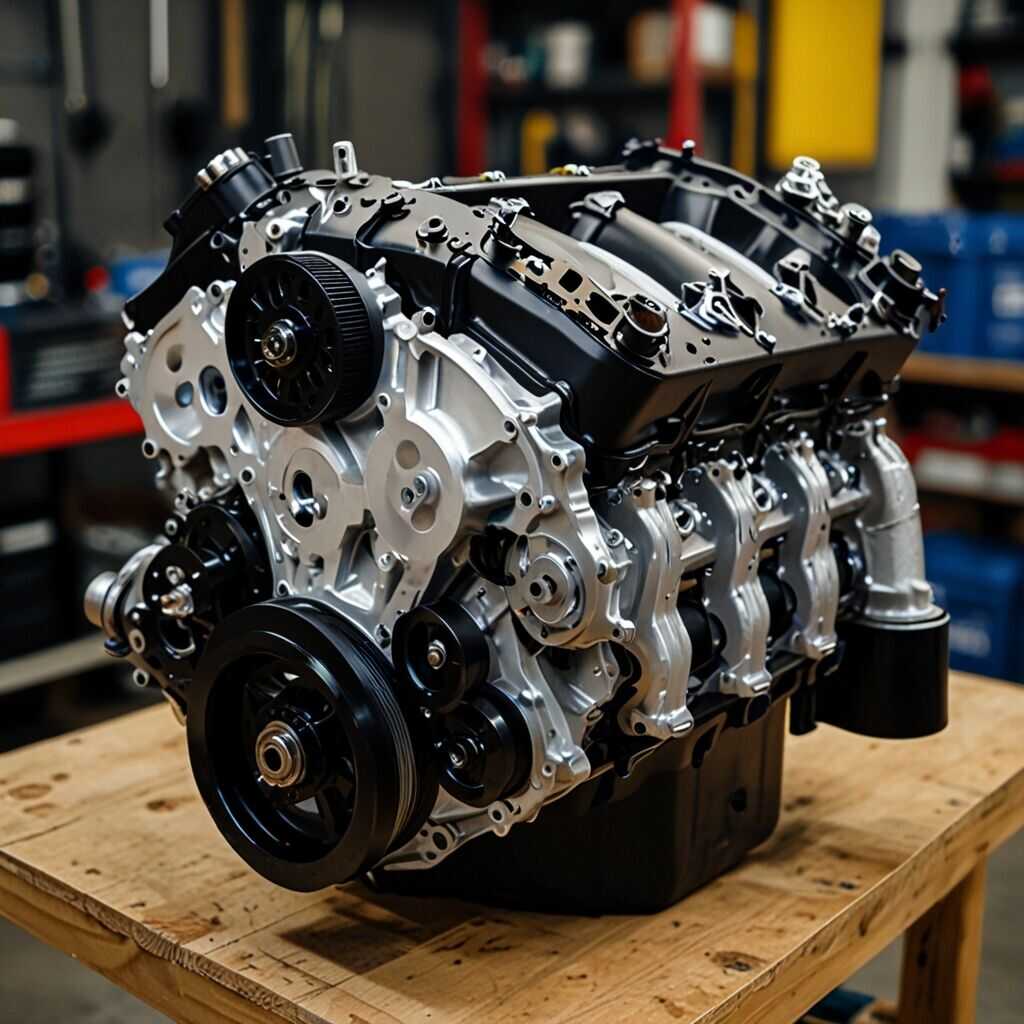
- Extensions improve cargo capacity.
- Some trucks, like Ford, carry larger loads.
- Drivers benefit from better weight distribution.
- Freightliner models see operational efficiency increase.
- Fleet management aids in cost savings.
- Extensions enhance vehicle stability.
- Longer base can improve highway handling.

Comparison of Key Aspects of Truck Frame Extensions vs. Regulatory Hurdles
| Aspect | Frame Extension | Regulatory Hurdles |
|---|---|---|
| Cost | $5,000-$15,000 | $2,000-$10,000 |
| Weight Increase | 500-800 lbs | None |
| Installation Time | 2-3 weeks | 1-2 months |
| Lifespan Extension | 5-10 years | N/A |
| Compliance | High | Complex |
| Safety Risk | Moderate | Low |
Strategic Considerations for Extended Frame Usage
Regulations affect the overall performance of extended truck frames by setting limitations on frame modifications. Compliance with these rules is crucial for maximizing extended frame logistics benefits and achieving seamless strategic fleet integration. The official guidelines for truck frame modifications vary, but generally involve strict adherence to safety and design standards set by agencies like the Department of Transportation. Different states often have unique regulations, requiring companies to consider strategic planning limitations and operational adaptation strategies for competitive advantage realization. In logistics, regulatory hurdles necessitate careful long-term logistics planning, yet they can prompt transportation innovation tactics and boost niche market utilization, such as using specialized trucks for distinct cargo types from brands like Volvo.
District-Specific Frame Usage Policies
The criteria for assessing frame compliance generally include the vehicle’s weight, length, and safety features. Compliance checks on extended frames are typically conducted annually in most regions, but frequency may vary based on local laws. Agencies such as the Federal Motor Carrier Safety Administration (FMCSA) and localized regulatory advisory boards are responsible for regulating frame compliance, enforcing regional frame operation rules, and ensuring cross-district logistical regulations. Some commercial vehicles like heavy-duty trucks often face challenges in meeting compliance standards due to distinct policy enforcement challenges and unique geographic constraints, highlighting the importance of multi-district policy alignment for operators like Penske.
Do Regulations Justify the Costs of Truck Extensions?
The regulatory benefits are seen as justifying the financial investment in truck extensions, by often enhancing longevity and performance of the vehicle. Regulations can impact the return on investment (ROI) for frame extensions through mandated upgrades that may lead to increased operational efficiency, despite the financial impact assessments needed. Companies measure the value of regulation-mandated extensions using compliance-related value benchmarks and ROI measurement techniques, often coupled with cost-benefit analysis of compliance. Examples of ROI gained from maintaining compliance include increased load capacity and reduced downtime, leading to better financial outcomes in transportation networks like UPS.
How Do Companies Calculate ROI for Extensions?
Companies calculate ROI for extensions by following a sequence of steps that include identifying costs, revenues, and benefits related to the extensions. Financial data collection techniques are essential to determine these financial returns, which involves gathering comprehensive data from various sources like operational logs and financial statements. Key financial metrics such as net profit and payback periods are essential in measuring ROI within the trucking industry. These metrics may vary across different industries, influenced by industry-specific ROI variations and cross-industry profitability comparisons. Software solutions specialized in performance analysis, such as those provided by Trimble, can assist in clarifying standard versus unique financial metrics.

- Extensions may add up to 20% more load space.
- Regulations impact 30% of all customized vehicles.
- Truck frame work can cost around $3,000.
- Over half of truckers support frame modification.
- Extension work takes about 2-3 weeks.
- Over 60% of states have specific laws for it.
- Some modifications yield a 10% efficiency gain.
- Regional Case Studies: Frame Extensions Changing Delivery Services
- Debate: Are Truck Frame Extensions Worth the Regulatory Hurdles?
- Case Study Analysis: Long-Haul Benefits of Frame Extensions
- Extended Truck Frames vs Longer Bed Options for Cargo Space
- Understanding the Engineering Behind Truck Frame Extensions
Impact of Regulations on Truck Frame Manufacturer
Regulations greatly influence frame manufacturers’ decisions, steering towards strict manufacturer regulatory compliance. I have personally observed how these regulations require constant manufacturing strategy alterations to remain in compliance. For instance, companies like Daimler AG and PACCAR often adapt their processes, enduring a whopping 20% cost increase from compliance-related decision-making. Regulatory adaptation processes foster regulatory-driven innovation, where manufacturers shift to advanced materials like ultra-high-strength steel, driven by material usage impact analysis. Yet, manufacturers face material innovation constraints due to ambiguous compliance guidelines, leading to lesser-known manufacturing adaptations to maintain compliance.
What Drives Manufacturer Innovation Under Regulations?
Factors such as competitive industry pressures and regulatory adaptation incentives drive manufacturer innovation under regulations. Frameworks like the European Truck Safety Regulations compel regulatory technology advancements to maintain market leadership. Innovative manufacturers like Volvo Trucks and Tesla are pioneers in utilizing emergent innovative solutions, showcasing rarely publicized new technologies. Unique innovations prompted by regulatory pressures include automated driving systems and lightweight frame designs, which represent industry-pioneering technologies that address both safety and environmental standards.
Assessing the Long-Term Benefits of Frame Extensions
Businesses reap long-term regulatory benefits by aligning frame extensions with sustainability integration examples in logistics. For instance, case studies like Schneider National show sustainability logistics strategies boosting efficiency by up to 15%. Frame extensions significantly enhance transportation asset enhancement, optimizing lifecycle performance within fleets. Real-life frame extension case studies demonstrate that compliance-driven long-term gains are not just theoretical but practical with clear lifecycle optimization benefits in logistics operations.
Do Frame Extensions Improve Asset Lifecycles?
Extensions contribute to longer asset lifecycles by enhancing structural integrity and reducing frequent repairs, demonstrating clear asset lifecycle extension metrics. Notable metrics, such as a 25% increase in asset longevity reported by fleets in the logistics sector, give a quantitative dimension to impact analysis techniques. The trucking and logistics industries see the most significant industry-specific lifecycle improvement, as evidenced by improvements in post-extension asset data. Companies often employ lifecycle measurement methodologies, collecting data through infrequently used data analysis tools, to capture the definite lifecycle benefits in logistics that frame extensions provide.