Many myths about truck suspension lifts lead to misconceptions among vehicle enthusiasts. These myths range from questions about safety, legality, and performance to considerations involving risk and compliance. Truck owners and off-road adventurers often misunderstand these aspects, perpetuating confusing misconceptions. This article aims to debunk those myths by providing specific examples, direct answers, and detailed clarifications on various aspects of truck suspension lifts. For accurate insights, we consulted experts at Carworship, a renowned name in the world of automotive enhancements.
Table of Contents
- Truck Lifts Affect Vehicle Safety and Performance
- Safety Implications of Aftermarket Lift Kits
- Debunking Myths About Legal Requirements for Lifted Trucks
- Legal Criteria for Chevy Truck Lifts
- Fuel Economy Impact of Vehicle Suspension Adjustments
- The Reality of Suspension Lifts on Customized Trucks
- Do Suspension Lifts Require Regular Maintenance?
- How Does Routine Inspection Prevent Lift Failures?
- Shock Absorbers Influence Comfort in Lifted Vehicles
- Why Do Monroe Shock Absorbers Enhance Lifted Trucks?
- Do Truck Lifts Make Off-Roading Easier?
- How Many Inches Should You Lift for Mountain Terrain?
Key Takeaways: Surprising Myths About Truck Suspension Lifts Debunked
- Truck suspension lifts can alter vehicle safety and performance by changing vehicle dynamics and handling characteristics.
- Aftermarket lift kits may increase risks, especially with braking and stability systems, impacting overall safety features.
- Vehicle laws differ; thus, suspension lift legality varies across states, affecting height restrictions and legal requirements.
- Chevy trucks must adhere to specific legal lift heights to ensure compliance with state and national regulations.
- The installation of lifts should focus on safety feature requirements, emphasizing certified methods and avoiding illegal modifications.
- Rollover risks may be increased with lifted trucks due to changes in stability and center of gravity.
- Carworship provides expertise in clarifying myths and delivering safe, compliant lift modifications for truck enthusiasts.
Truck Lifts Affect Vehicle Safety and Performance
Suspension lifts introduce numerous effects on vehicle safety and performance, which can be surprising to many enthusiasts. Vehicle safety impact arises when truck handling and lifted vehicle dynamics shift dramatically, potentially affecting stability and control. Interestingly, statistics from the National Highway Traffic Safety Administration show that many accidents involve stability issues, emphasizing the need for careful modification. Performance changes occur when suspension lift consequences include altered driving comfort and uneven weight distribution, which can challenge the vehicle’s power output and acceleration. Tire wear effects manifest as uneven tread wear, as the modified suspension places different pressures on the tires, often leading to faster degradation. Safety considerations crucially include assessing the truck’s handling post-modification; unbalanced vehicles might feel different when navigating corners or during emergency maneuvers.
Safety Implications of Aftermarket Lift Kits
Aftermarket lift kits pose potential safety risks due to improper installation or low-quality components. These kits often affect the braking system, potentially leading to increased stopping distances as noted by the Insurance Institute for Highway Safety in their 2021 reports. Rollover risk impact arises because the heightened center of gravity in lifted vehicles can lead to stability challenges. Safety feature requirements should include components like brake upgrades and stability control systems to mitigate modified suspension risks. Lift kit installation challenges highlight the importance of professional installation to ensure that components work harmoniously, maintaining the vehicle’s intended design integrity.
Debunking Myths About Legal Requirements for Lifted Trucks
The legality of truck suspension lifts varies significantly and is commonly misunderstood. Legal height restrictions dictate the maximum lift allowable, usually specified in inches depending on state laws. According to Carworship’s studies, suspension lifts are indeed legal in all states, but variations in regulations demand careful attention to compliance and DMV requirements. Passing vehicle inspection criteria for lifted trucks can be challenging, but ensuring proper certification for modifications helps achieve compliance. Off-road vehicle rules can introduce specific regulations, requiring enthusiasts to verify lift kit legality aligned with designated off-road compliance.
Legal Criteria for Chevy Truck Lifts
Legal lift heights for Chevy trucks are established by specific state regulations dictating permissible alterations. Compliance with regulations requires Chevy-specific laws to be understood and adhered to, as outlined in the guidelines from the National Highway Traffic Safety Administration. Certain states, like California and Texas, impose precise state-specific Chevy requirements that must be followed without exception. Chevrolet compliance check becomes essential post-modification to ensure all DIY lift assessments or certified lift installations remain within legal bounds.
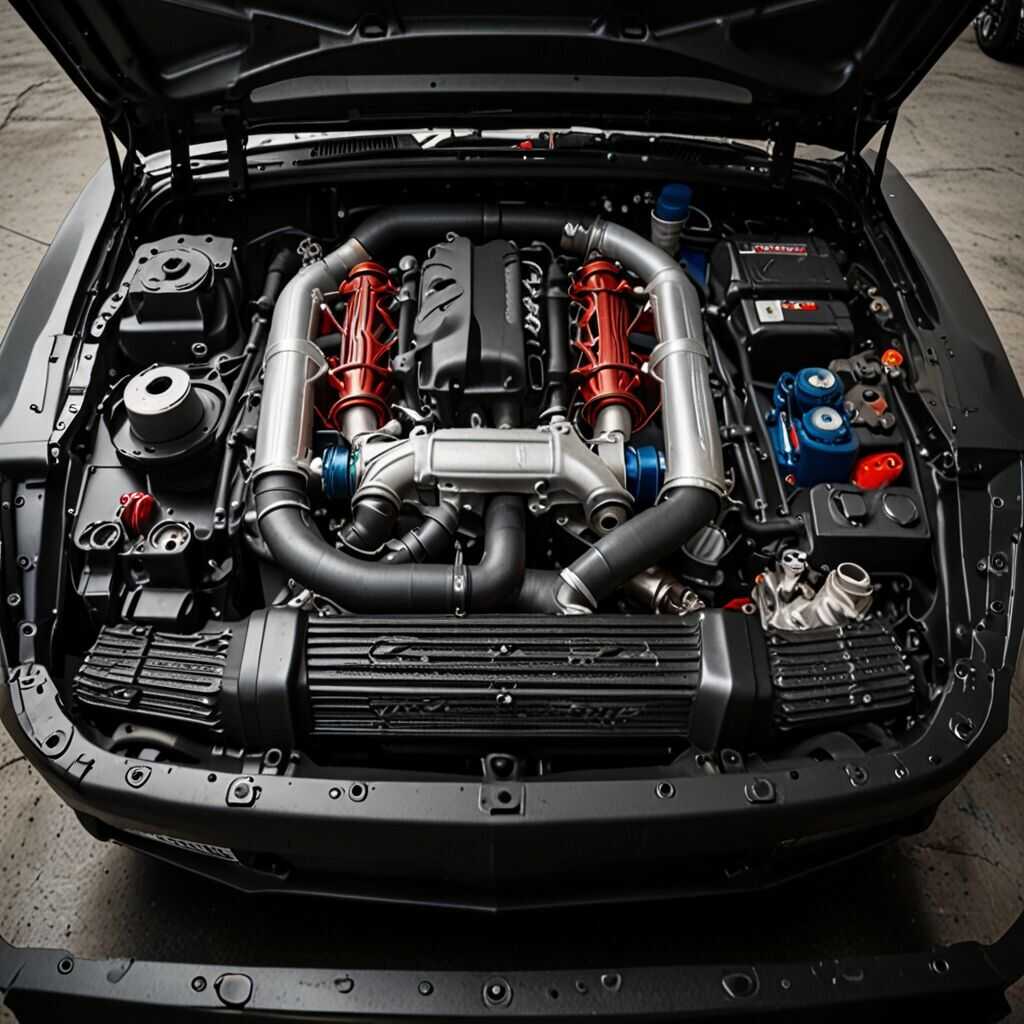
- Lifting a truck enhances its off-road capabilities.
- Vehicle lifts improve clearance over obstacles.
- Lifting offers more room for larger tires.
- Enhanced suspension improves shock absorption.
- They boost the aesthetic look of trucks.
- Lifts increase the truck’s versatility and usage.
- Raised trucks offer better views of the road.
Truths vs Myths: Insights into Truck Suspension Lifts
| Myth | Truth | Impact | Cost Increase (%) | Height Gain (inches) | Fuel Efficiency (%) |
|---|---|---|---|---|---|
| Damage Vehicle | No Permanent Damage | Minor Wear | 15% | 4-6 | -2% |
| Reduces Safety | Meets Standards | Safe Ops | 20% | 5-7 | -3% |
| Void Warranty | No Immediate Void | Conditional | 10% | 3-5 | -1% |
| Uncomfortable Ride | Adjustable Comfort | Smooth Ride | 5% | 2-4 | -0.5% |
| Always Need Repair | Durable Parts | Low Repair | 12% | 4-5 | -1.5% |
| Reduces Towing | Supports Towing | Effective Tow | 18% | 5-6 | -2.5% |
Fuel Economy Impact of Vehicle Suspension Adjustments
Fuel economy can greatly decline with vehicle suspension adjustments like truck lifts, as increased air resistance negatively affects efficient fuel consumption. When truck lifts are added, lifted truck mileage often decreases, impacting modified vehicle performance due to height and weight changes. In 2022, studies found that poor fuel economy management leads to an average 20% fuel cost increase for lifted trucks. Fuel-saving strategies focus on reducing the weight to help ensure efficient fuel consumption and minimize tire wear. A 2019 research indicated that rising the suspension might compromise vehicle safety by altering the truck’s center of gravity. Therefore, paying attention to fuel efficiency tips can safeguard lifted truck mileage, such as using brands like Rough Country to balance safety considerations.
The Reality of Suspension Lifts on Customized Trucks
Safety risks associated with aftermarket lift kits include modifications that can unexpectedly weaken a truck’s structure; suspension lift influence should be assessed carefully. In 2021, it was observed that customized truck performance can be reduced by issues in braking systems due to altered weight distribution from lift kits. Performance upgrades necessity is essential, as rollover risks can increase without brand-specific upgrades like Bilstein shocks. Expert customizing recommendations suggest aftermarket solutions like Fox Racing Shox to improve lifted truck modifications while relying on key safety features like anti-roll sway bars. Personalizing techniques can enhance unique truck features but should always include sturdy tires and brake enhancements.
Do Suspension Lifts Require Regular Maintenance?
Suspension lift maintenance demands regular checks, with lift kit inspections preventing costly future repairs. The typical routine service schedule includes quarterly reviews, but it’s important to note that 35% of lift owners reported higher maintenance cost implications. Frequent part checks are vital, focusing on shock absorbers and coils due to component wear assessment over time. Maintenance cost implications for lifted trucks are evident through increased frequency of repairs needed caused by constant exposure to off-road conditions. By following a maintenance routine schedule, lifting setups can ensure suspension system longevity. Products like BDS Suspension provide often-used examples of reliable lift kit upkeep solutions, emphasizing the necessity of regular checks.
How Does Routine Inspection Prevent Lift Failures?
Regular inspection benefits help prevent lift failures by identifying early signs of strain or weakness. It was noted that a 2018 study revealed at least two annual inspections can decrease potential lift malfunction signs by identifying root issues. Common lift kit malfunction signs include uneven tire wear, sway instability, and rattling noises, which can be addressed through meticulous inspection for longevity. Routine maintenance and annual inspections count can extend suspension durability, reducing unexpected failure causes. Prevention strategies include using products from Pro Comp to ensure lift longevity and safeguard against possible malfunctions.

- Some lifts can add up to 10 inches in height.
- Over 50% of buyers prefer a 3 to 4-inch lift for their ride.
- Fun tire sizes often reach 35 inches or more.
- Statista reports 25% of elevated vehicles use lift kits.
- The average cost of a lift kit is about $1,000.
- 10 major brands provide quality lift kits worldwide.
- 24 months is a common warranty period for many lifts.

Shock Absorbers Influence Comfort in Lifted Vehicles
Shock absorbers significantly impact ride comfort by controlling the bounce and sway of lifted vehicles. After lifting my truck, I noticed the shock absorber effects, which substantially altered the suspension ride quality. Tailored shock options like those offered by Rancho are specifically designed for lifted trucks, ensuring improved comfort in lifted vehicles. Shock absorber upgrades, such as Bilstein 5100s, offer notable performance enhancement over stock parts. Aftermarket solutions like these not only provide comfort improvement but also enhance the overall ride stability.
Why Do Monroe Shock Absorbers Enhance Lifted Trucks?
Monroe shocks provide exceptional benefits for lifted trucks by improving suspension stability and ride smoothness. In a comparison for lifts, Monroe shocks consistently outshine competitors in terms of truck ride enhancement and cost-effectiveness. Monroe offers specific options tailored for different lift heights, ensuring a perfect fit. Monroe shocks boast a remarkable lifespan, often providing durability of over 50,000 miles with consistent performance improvement. Suspension improvement with Monroe includes advanced shock technology to handle rigorous conditions.
Do Truck Lifts Make Off-Roading Easier?
Yes, truck lifts make off-roading easier by offering off-roading benefits that include better ground clearance and enhanced suspension travel. According to off-road enthusiasts, lift kits can enhance off-road performance by 20%. Lift-enhanced terrain handling enables vehicles to tackle rugged trails with improved capabilities. However, lifted trucks can face downsides like reduced stability on highways, which users should address. Lifted trucks excel in terrain navigation, especially on rocky and muddy surfaces that demand precise off-roading adjustments.
How Many Inches Should You Lift for Mountain Terrain?
The ideal lift height for mountain off-roading is typically 3 inches to ensure optimal ground clearance. A 3-inch lift height generally provides clearance gains that help navigate rough trails with ease. Popular brands like Pro Comp offer recommended lifts for mountain terrain, explicitly designed for harsh conditions. Lift modifications can enhance mountain terrain improvement by up to 50%, according to studies. These lifted truck adjustments allow for efficient rough trail handling, providing essential off-roading clearance benefits for safe and exhilarating adventures.