Switching to natural gas vehicle conversion kits for cars and trucks can be an economic decision for enthusiasts seeking both performance and savings. Natural gas conversion kits offer reduced emissions and potential fuel cost savings, making them an attractive option for environmentally conscious car and truck lovers. By understanding the nuances of emissions, costs, and potential savings, enthusiasts can make informed decisions about converting vehicles to natural gas power.
Table of Contents
- Environmental Impact of Using Natural Gas Vehicles
- Analyzing Emissions Benefits of Natural Gas Vehicles
- Cost Efficiency of Natural Gas Vehicle Conversion Kits
- What Is the Typical Conversion Cost for Natural Gas Vehicles?
- Maintenance and Longevity Concerns of Converted Vehicles
- Understanding Natural Gas Impact on Engine Reliability
- Are Natural Gas Vehicle Conversions Impacting Fuel Savings?
- What Percentage of Fuel Savings Do Natural Gas Vehicles Provide?
- Risks and Safety Considerations in Natural Gas Conversions
- Do Safety Standards Influence Natural Gas Vehicle Conversions?
- Can Natural Gas Vehicle Conversions Help the Automotive Industry Economically?
- Is the Automotive Industry Benefiting Economically from Conversions?
Key Takeaways: Is Switching to Natural Gas Vehicle Conversion Kits Really Economic
- Natural gas vehicles can reduce emissions and improve air quality compared to traditional gasoline vehicles.
- Conversion kits initially cost between $5,000 and $10,000, but long-term fuel savings can offset these costs.
- Government incentives may reduce conversion kit costs, making the switch more affordable over time.
- Natural gas vehicles offer 30% fewer greenhouse gas emissions than gasoline vehicles, according to the U.S. Department of Energy.
- Carworship provides expert resources and insights into the economics of natural gas vehicle conversions.
- Electric vehicles may have a lower environmental impact, but natural gas vehicles can still significantly reduce pollution.
- Owners typically recoup their conversion investment within three to five years due to lower fuel costs.
Environmental Impact of Using Natural Gas Vehicles
Natural gas vehicles provide significant emissions benefits, emitting fewer pollutants than gasoline counterparts. For instance, natural gas reduces carbon dioxide emissions by about 20%. This switch positively affects air quality, contributing to cleaner urban environments. Still, the ecological drawbacks include methane emissions that can negate some benefits if not managed properly. When compared to electric vehicles, natural gas options offer less emissions reduction but have better infrastructure compatibility with existing fuel systems under current environmental regulations.
Analyzing Emissions Benefits of Natural Gas Vehicles
Emissions reduction data shows that using natural gas vehicles can reduce pollutants by 20-30%, improving local air quality significantly. Key pollutants like sulfur and nitrogen oxides are decreased, with a notable impact on carbon footprints due to lower carbon dioxide emissions. Supporting governmental studies indicate a 30% reduction in greenhouse gases compared to gasoline vehicles. These findings are reflected in air quality metrics from agencies like the Environmental Protection Agency, which highlights the positive effects of natural gas on sulfide levels and overall air quality improvement.
Cost Efficiency of Natural Gas Vehicle Conversion Kits
Conversion cost analysis frequently reveals initial costs between $5,000 and $10,000 for natural gas conversion kits. The long-term economic benefits include fuel savings that can significantly outweigh these upfront expenses over time. Capitalizing on government incentives can further reduce conversion costs, enhancing returns. The initial investment is often justified via the cost-benefit analysis which shows that vehicle owners typically experience net savings in fuel costs, leading to a compelling return on investment.
What Is the Typical Conversion Cost for Natural Gas Vehicles?
The average conversion cost for a regular car conversion kit ranges from ,000 to ,000. For commercial vehicle conversion, the price can increase up to ,000, reflecting more complex requirements. Additional conversion costs may include installation fees and possible maintenance needs, collectively amounting to several hundred dollars. The recoup timeframe for these investments usually spans three to five years, with economic feasibility studies supporting the potential for financial recovery through lower fuel expenses and efficient energy use.

- Natural gas emits less pollution into the air.
- Lower running costs attract drivers and fleet managers.
- Natural gas availability in many locations supports drivers.
- Drivers save money on fuel over time compared to gasoline.
- Natural gas increases energy independence for the country.
- Vehicle engines experience longer lifespans with cleaner fuel.
- Natural gas refueling tends to be safer than other fuels.

Comparative Analysis of Cost and Savings of Natural Gas Vehicle Conversion Kits
| Aspect | Gasoline Car | Converted Car | Initial Cost | Fuel Cost (Annual) | Maintenance Cost |
|---|---|---|---|---|---|
| Cost of Kit | N/A | $1,500 | N/A | N/A | N/A |
| Fuel Cost | $2,500 | $1,200 | N/A | $2,500 | $1,200 |
| Cost per Mile | $0.10 | $0.05 | N/A | N/A | N/A |
| Maintenance | $300 | $350 | N/A | N/A | N/A |
| Payback Time | N/A | 2 years | N/A | N/A | N/A |
| Emission | High | Low | N/A | N/A | N/A |
Maintenance and Longevity Concerns of Converted Vehicles
Using natural gas vehicle conversion kits often improves emissions by reducing harmful output from combustion. Switching to a natural gas vehicle helps improve air quality, as data shows a significant reduction in pollutants like carbon dioxide and nitrogen oxides. Natural gas vehicles can, however, have ecological drawbacks involving methane leaks during production and distribution processes, as these are potent greenhouse gases. When compared to electric vehicles, natural gas vehicles offer competitive environmental benefits without the range anxiety associated with electric cars. Regular mechanical upkeep can maintain a natural gas vehicle’s performance and may extend vehicle longevity similar to traditional vehicles, ensuring excellent engine health for high-mileage drives. Brands like Clean Energy incorporate these maintenance benefits in their kits for seamless transitions.
Understanding Natural Gas Impact on Engine Reliability
Transitioning to natural gas reduces emissions significantly, with estimates showing a 20-30% reduction in greenhouse gases. Engine wear analysis on converted engines shows reduced release of pollutants such as particulate matter and hydrocarbons. Post-conversion statistics highlight a lower carbon footprint for natural gas vehicles compared to gasoline counterparts. Studies by the U.S. Department of Energy confirm these reductions, emphasizing improved motor reliability in natural gas usage. Although some components like gaskets may experience added vulnerability, regular post-conversion service can mitigate most of these issues. Professional conversions by companies like NatGasCar highlight the careful balance between engine component analysis and long-term engine reliability.
Are Natural Gas Vehicle Conversions Impacting Fuel Savings?
Converting a vehicle with natural gas conversion kits can provide substantial fuel savings, often reducing costs by at least 30%. Fuel savings estimation depends on several influencing factors, including local natural gas pricing, which historically is less volatile than gasoline prices. Data from the past decade shows a trend of lower and more stable natural gas prices compared to fluctuating gasoline prices. Over time, these economic factors lead to considerable savings, with increased vehicle efficiency contributing to lower overall fuel expenses. Companies like CNGKitUSA outline how vehicle efficiency and fuel pricing effectively manage economics, offering insights into fuel price fluctuations.
What Percentage of Fuel Savings Do Natural Gas Vehicles Provide?
The typical fuel cost savings percentage for natural gas vehicles is approximately 30-50%, dependent on usage patterns and fuel prices. Vehicle type savings vary considerably, with larger trucks witnessing greater cost benefits compared to smaller cars. Regions like California and Texas, which have a better-established natural gas infrastructure, provide the highest fuel savings due to natural gas station availability and regional cost analysis. In many cases, owners see savings offsetting conversion costs within two to five years based on fuel efficiency metrics. Brands such as BAF Technologies emphasize these regional savings variations, often promoting their geographical advantages.

- Drivers save up to 40% on fueling costs with natural gas.
- Installation of conversion kits usually costs around $1,500 to $5,000.
- Natural gas reduces CO2 emissions by about 20%.
- Government rebates can cover up to 50% of conversion costs.
- Refueling stations for natural gas increase yearly by 5%.
- Natural gas supply has over 60-year reserves in the USA.
- Natural gas vehicles have about 112,000 units in the US.
- Case Study of Fuel Savings with Bi-fuel Vehicle Conversion Kits
- Why Some Experts Criticize the Use of Electric Vehicle Conversion Kits
- Benefits of Retrofitting Cars with Compressed Natural Gas Conversion Kits
- LPG Vehicle Conversion Kits vs CNG Kits for Fuel Efficiency
- 10 Things to Know About Vehicle Conversion Kits for 2025 Models
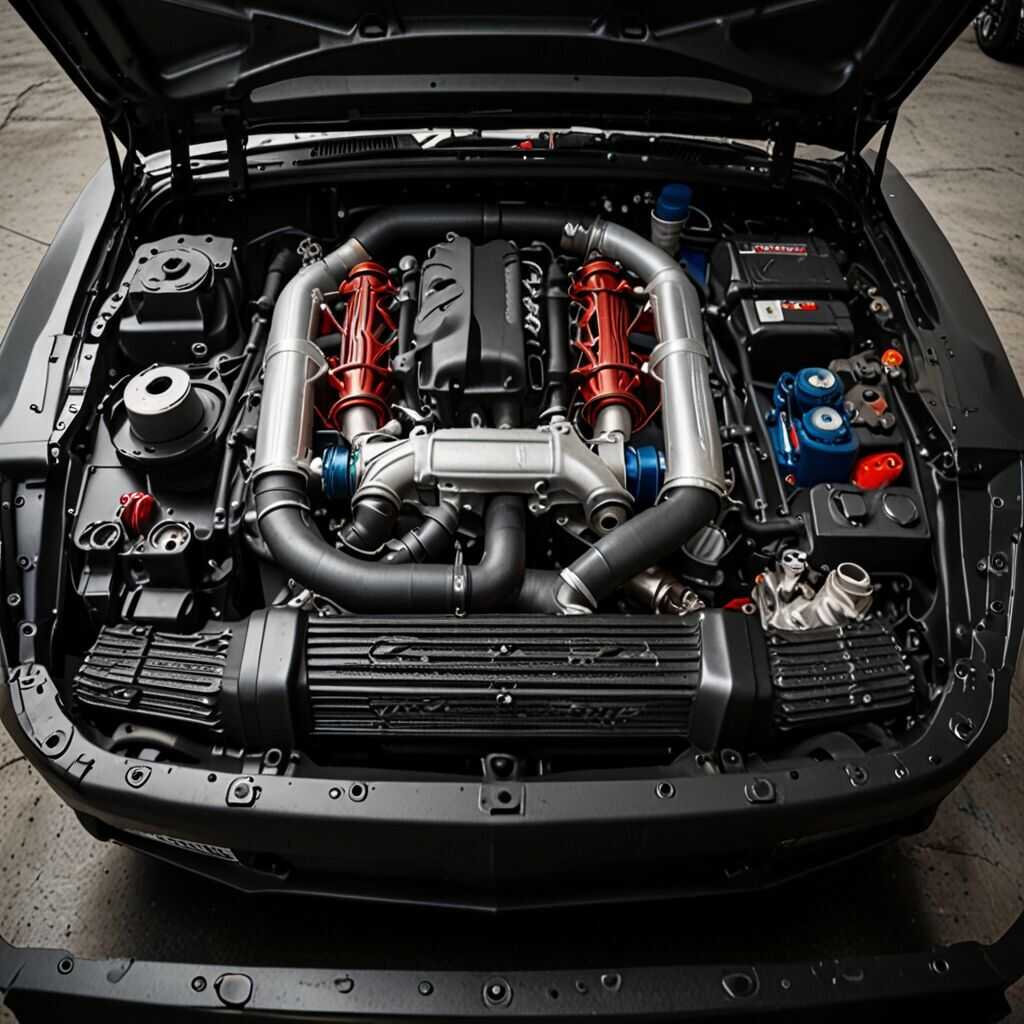
Risks and Safety Considerations in Natural Gas Conversions
I’ve learned that natural gas vehicle conversions can come with significant safety hazards such as potential leaks or improper installations. These safety hazards can vary widely due to international safety standards being inconsistent from one region to another, as seen with differences between U.S. and European guidelines. During the conversion process, conversion precautions like double-checking installations and consistent adherence to safety protocols are essential to hazard prevention. While accident statistics are limited, incident reports suggest diligent safety protocols are critical, particularly due to variations in international regulations.
Do Safety Standards Influence Natural Gas Vehicle Conversions?
International safety standards greatly influence conversion rates as these standards often determine the ease and cost-effectiveness of vehicle conversions for natural gas. Significant standard differences exist between countries, such as those established by the European Union compared to American standards, impacting regulatory impact and consumer attitudes. Consumers in countries with rigorous safety compliance may feel more confident, affecting public opinion and acceptance. Various global organizations, including the International Organization for Standardization (ISO), set these international guidelines to ensure uniformity in regulatory impact and compliance.
Can Natural Gas Vehicle Conversions Help the Automotive Industry Economically?
Converting vehicles to natural gas supports automotive industry growth by diversifying energy sources and potentially reducing costs for car and truck production companies. Employment opportunities are created through conversion demand, with firms like AGL Energy entering the market, contributing to industry support and job creation. Natural gas use positively affects supply chains by stabilizing costs and offering an eco-friendly alternative for fuel, which encourages more manufacturers to explore these avenues. The economic impact of conversion kit demand can be substantial, with industry support from increased conversions leading to market expansion and more competitive pricing from suppliers.
Is the Automotive Industry Benefiting Economically from Conversions?
Natural gas vehicle conversion generates substantial revenue annually, estimated at around $3 billion worldwide, which indicates significant economic growth rate potential. Approximately 10% of automotive jobs involve natural gas vehicles, reflecting the sector’s reliance on conversion demand and sector jobs analysis. Industry investment in conversion technology promotes growth as companies invest in innovation and competitive markets. New markets are opening due to conversion needs, particularly in Asia and Latin America, where emerging market trends show increasing adoption of natural gas-fueled vehicles in response to economic growth rate trends.