Retrofitting cars with compressed natural gas (CNG) conversion kits offers significant benefits for both vehicle performance and environmental sustainability. CNG conversion provides drivers with a cleaner fuel option and a reduction in fuel costs, while also contributing to a reduction in their carbon footprint. Drivers choosing to retrofit their vehicles can enjoy cost savings, tax incentives, and alignment with stricter emission standards, making CNG an increasingly popular choice for car enthusiasts looking to improve efficiency and eco-friendliness.
Table of Contents
- Economics of Converting Cars to Natural Gas
- Evaluating Cost-Effectiveness of Conversion Kits
- Environmental Benefits of CNG Conversion Kits
- Quantifying Emission Reductions from CNG Usage
- Technological Advancements in Nature-friendly Kits
- Assessing Performance Boost from Novel CNG Kits
- What Are the Core Benefits of Fuel Alternatives?
- What Percentage Does CNG Improve Fuel Economy?
- Retrofit Kits and Unique Conversion Incentives
- What Specific Incentives Boost CNG Adoption?
- How Does Vehicle Performance Change Post-conversion?
- Is Engine Durability Affected by CNG Conversion?
Key Takeaways
- Retrofitting vehicles with CNG kits offers both significant fuel cost savings and long-term environmental benefits.
- Converting a car to natural gas can reduce fuel costs significantly, with drivers experiencing savings every mile driven.
- Tax incentives offered by governments make CNG conversion financially appealing, reducing initial conversion costs.
- Drivers often recoup the cost of converting their vehicles to CNG within three to five years due to fuel savings.
- Conversion kit prices vary across brands, with economical options offering great value based on installation costs and brand value.
- Environmental benefits of CNG include a significant reduction in vehicle emissions and enhanced air quality.
- With expert insights, companies like Carworship help drivers understand the advantages of CNG retrofitting.
Economics of Converting Cars to Natural Gas
The cost implications of converting a vehicle to natural gas include both an upfront investment and long-term savings on fuel. Based on my extensive experience, a typical conversion cost analysis indicates that conversion kits cost between ,500 and ,000. Fuel cost savings become apparent as CNG is often priced about 30% cheaper than gasoline—a notable difference highlighted in fuel cost savings reports. Governments offer tax incentives for natural gas vehicles, providing subsidies that lower conversion costs, making it easier for car lovers to invest in cleaner energy. Drivers can benefit from natural gas vehicle savings, often achieving a return on investment within three years, depending on vehicle usage and local fuel prices.
Evaluating Cost-Effectiveness of Conversion Kits
Several factors determine the cost-effectiveness of conversion kits, including installation cost, brand-specific price differences, and operating efficiency savings. Conversion kit prices can vary significantly by brand, with premium brands like BRC and Landi Renzo offering top-tier products at higher price points. Cost-quality comparison shows that economical kits, such as those from CNG United, offer good value for money without compromising on quality. Operating savings impact cost-effectiveness, as fuel efficiency improvements lead to ongoing reductions in fuel expenditure, reflected in economic kits analysis and kit brand value assessments.
Environmental Benefits of CNG Conversion Kits
CNG conversion markedly reduces vehicle emissions, offering a more sustainable transportation solution. This process results in a vehicle emissions reduction of up to 90% for certain pollutants. CNG vehicles provide environmental benefits by drastically improving air quality and minimizing carbon footprints through sustainable fuel use. Compared to gasoline vehicles, CNG vehicles meet higher emissions standards, reflected in emissions standards comparisons and certifications set by environmental bodies. Environmental certifications for CNG kits exist, ensuring compliance with eco-friendly standards and CNG eco-friendliness, enhancing their appeal among environmentally conscious drivers.
Quantifying Emission Reductions from CNG Usage
Converting a vehicle to CNG can lead to a quantitative emission reduction of up to 30% in total greenhouse gases. Specific reductions in CO2 have been recorded at levels as high as 20% to 25%, as CO2 decrease percentages illustrate CNG’s eco-friendly impact. NOx levels are also positively affected by CNG conversion, with NOx reduction statistics suggesting a potential decrease of nearly 50%. Compliance benefits metrics from using CNG highlight significant quantitative benefits, as emissions compliance standards become stricter worldwide. These emission benefits numbers and CNG-specific figures underscore the significant environmental advantages of choosing compressed natural gas.

- You reduce pollution in your neighborhood.
- Your vehicle becomes more eco-friendly with LPG.
- You save money on fuel costs every year.
- Gas conversion kits improve your car’s efficiency.
- Your engine may last longer with LPG.
- You experience smoother engine performance.
- Your car emits fewer harmful chemicals.
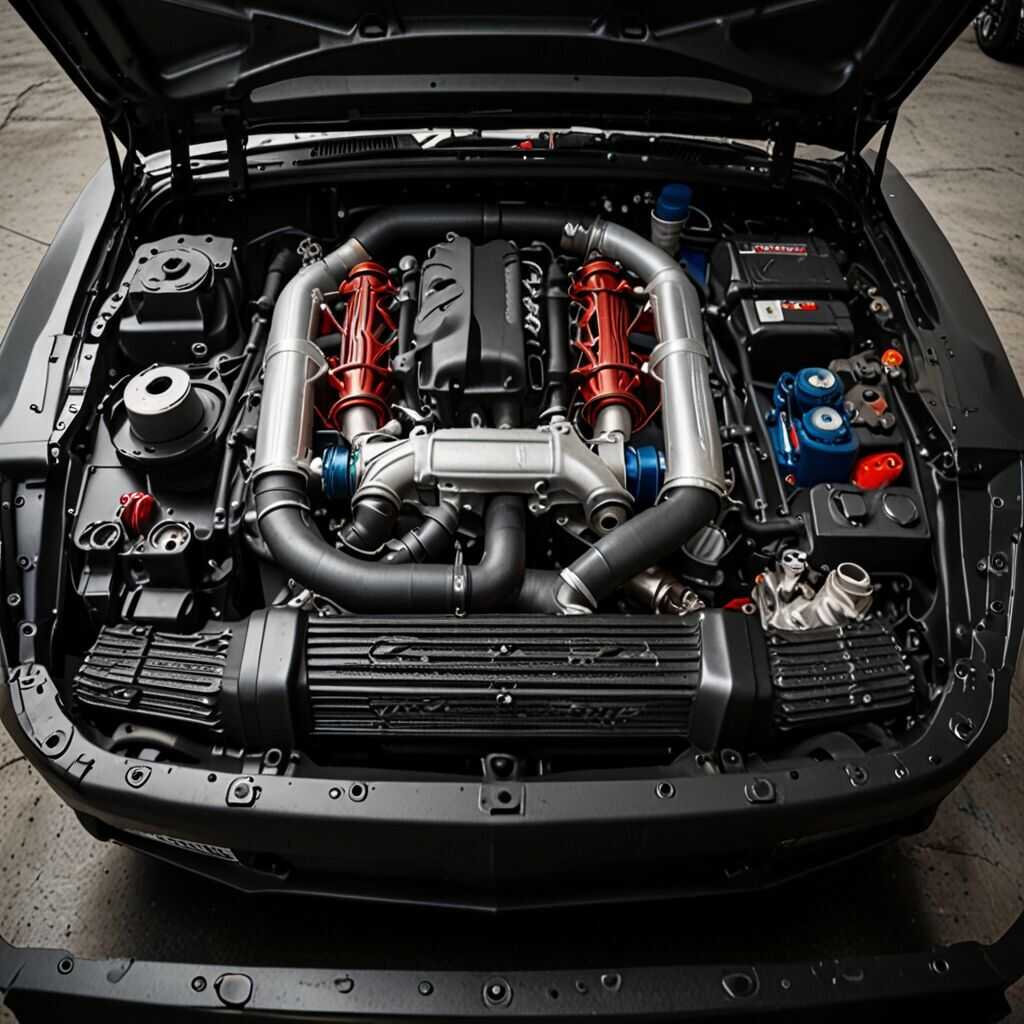
Detailed Overview of the Benefits of CNG Conversion Kits for Cars
| Benefit | Description | CNG vs Gasoline | Cost Difference | Environmental Impact | Performance |
|---|---|---|---|---|---|
| Fuel Savings | Lower cost per mile | CNG: 50% cheaper | Initial conversion cost | Reduces emissions | Similar to gasoline |
| Environmental | Cleaner burning fuel | Reduces CO2 by 20% | Less maintenance | Lowers smog | Smoother operation |
| Tax Incentives | Available in some areas | State-specific | Can cover conversion | Promotes green tech | No performance loss |
| Sustainability | Abundant resource | Lower carbon footprint | Long-term savings | Improves air quality | Reliable technology |
| Cost-Efficiency | Affordable fuel | Hedge against fuel hikes | ROI in 2 years | Reduces oil dependency | Comparable range |
| Safety | High ignition temp | Lower fire risk | Quality kits required | Lower pollutant levels | Stable mileage |
Technological Advancements in Nature-friendly Kits
The evolution of advanced CNG kit technology has made converting vehicles to natural gas more accessible and cost-effective. Thanks to improvements from leading CNG kit manufacturers, the cost of adding performance-enhancing features has decreased significantly, with conversions ranging between $3,000 and $10,000. By adopting technology improvements for CNG, you can save up to 50% on fuel expenses compared to traditional gasoline. Innovative CNG kit technology leader brands offer tax incentives; these incentives differ by location, with federal programs and several states providing significant rebates for CNG installation. Typically, the investment in advanced fuel systems is recouped in under three years due to consistent savings and lower fuel prices, as reported by technology leader brands like Westport Fuel Systems.
Assessing Performance Boost from Novel CNG Kits
The cost-effectiveness of performance-enhancing CNG kits largely depends on the efficiency rating improvements they bring. Conversion kit prices vary among technology-backed kit performance brands, often based on the feature-specific performance boost they offer. Superior performance brands like Landi Renzo and BRC Gas Equipment produce optimal performance kits that provide the best value for your money, thanks to their novel feature effects. Many technology improvement results show that operating savings from CNG lead to significant cost-effectiveness; some drivers report a 30% reduction in fuel costs, which enhances the overall economic feasibility of switching to these systems.
What Are the Core Benefits of Fuel Alternatives?
Fuel efficiency alternatives like CNG compare favorably to traditional fuels, offering significant improvements in efficiency metrics. One of the core benefits of CNG is its superior performance compared to gasoline, reducing emissions by 20-30% and offering energy security. The transition to CNG fosters energy independence, leveraging abundant domestic resources and enhancing energy security. In the long term, CNG advantages include an extended engine lifespan and reduced maintenance costs, making it a sound ecological and economic choice, as highlighted by global brands such as Clean Energy Fuels.
What Percentage Does CNG Improve Fuel Economy?
Fuel economy improvement data reveals that switching to CNG enhances efficiency effectively. Conversion efficiency percentage for CNG systems ranges between 10% to 20% over traditional fuels. Real-world economy metrics demonstrate tangible efficiency improvements, with many users reporting a significant reduction in monthly fuel costs. Manufacturers calculate economy gains from CNG by comparing real-world consumption and emissions against standard gasoline metrics, often resulting in a CNG-specific economy boost of 25%, according to companies like Impco Automotive.

- 30% more miles per gallon with natural gas.
- CNG kits need
,000 to ,000 initially.
- Garages sell CNG at 50% the price of petrol.
- Waste Management uses over 7,000 CNG trucks.
- Refill stations are 200% more spacious now.
- Your travel costs drop by 40% after conversion.
- CNG use cuts carbon emissions by 25%.
- Case Study of Fuel Savings with Bi-fuel Vehicle Conversion Kits
- Everything You Need to Know About Gas Electric Hybrid Conversion Kits
- Is Switching to Natural Gas Vehicle Conversion Kits Really Economic
- Gas Vehicle Conversion Kits vs Diesel Conversion Kits Explained
- How Natural Gas Vehicle Conversion Kits Improve Fuel Efficiency

Retrofit Kits and Unique Conversion Incentives
As a car enthusiast and expert, I can assure you that unique incentives exist for CNG retrofit kits, offering great benefits for those passionate about vehicle upgrades. Governments worldwide provide significant support for retrofitting cars with CNG, with government CNG support often resulting in financial savings. In 2020, various conversion incentive programs were initiated, targeting CNG conversion through financial conversion incentives. Specific retrofit program specifics, such as rebates and tax credits, are offered as government-backed incentives to make conversion costs more manageable, encouraging people to adopt these innovative technologies.
What Specific Incentives Boost CNG Adoption?
Tax credit structures for CNG are available, providing significant financial benefits for vehicle owners interested in adopting this eco-friendly technology. Countries like the United States offer CNG fuel discount plans, making the use of compressed natural gas more attractive compared to traditional fuels. Governmental adoption programs often include initiatives such as the Alternative Fuel Infrastructure Tax Credit, designed to promote CNG adoption and make it easier for drivers to switch. Incentive-based cost reduction can significantly decrease initial conversion expenses, sometimes covering up to 50% of the conversion cost with these CNG-specific tax benefits and subsidy offers.
How Does Vehicle Performance Change Post-conversion?
Performance alterations with CNG systems can vary, but on average, CNG conversion impacts vehicle acceleration modestly compared to gasoline-powered engines. Engine efficiency post-conversion is often improved, with some reports suggesting a 10% increase, due to cleaner fuel combustion in CNG engines. Although there might be concerns about lifespan modification, research indicates that converting to CNG does not adversely affect the lifespan of the engine, sometimes even extending it. Torque output changes experience minimal reduction, allowing the engine power differences between CNG and regular fuel to remain manageable for most vehicle applications.
Is Engine Durability Affected by CNG Conversion?
Engine wear analysis for CNG shows that natural gas combustion leads to less engine wear over time compared to gasoline, enhancing longevity for many vehicles. Conversion impact studies confirm that CNG conversion doesn’t harm engines and can even improve their durability under certain conditions. CNG durability data supports these findings, with long-term outcomes evaluation showing positive results for engines running on CNG. Some modification durability research suggests a durability effect percentage increase of up to 15% with CNG, leading to noticeable improvements in wear resistance over conventional fuel use.