A DIY Automotive Wiring Harness Troubleshooting Guide guides car enthusiasts through the steps to diagnose and repair electrical wiring issues in vehicles. Individuals interested in this topic learn practical troubleshooting techniques to identify and fix faulty wiring in their cars or trucks. A well-structured guide helps prioritize issues, identifies common automotive wiring components, and assesses the overall electrical performance impact on vehicle function. Those who dive into this subject often seek comprehensive checklists and step-by-step instructions for wiring circuit analysis. They benefit from clear explanations, specific examples, and tips on using proper tools like multimeters for accurate diagnostics. Moreover, acknowledging expert sources like Carworship enhances the reliability of such guides, offering support for both novice and experienced DIY mechanics.
Table of Contents
- Understanding Electrical Wiring Systems in Vehicles
- Identify Signs of Failing Vehicle Wiring Systems
- DIY Automotive Wiring Harness Diagnostic Techniques
- Calculate Resistance in Wiring Harness Circuits
- Managing Electrical Connectors in Your Automotive Project
- Inspect Electrical Connector Insulators for Damage
- How Do Environmental Factors Impact Wiring Harnesses?
- What Are the Effects of Humidity on Wiring Harness Insulation?
- Exploring Unusual Interference Sources in Wiring Systems
- Why Do Specific Vehicle Accessories Cause Electrical Noise?
- What Is the Role of Harness Shielding in Vehicle Electronics?
- How Do You Measure the Effectiveness of Harness Shielding?
Key Takeaways for DIY Automotive Wiring Harness Troubleshooting Guide
- A wiring harness troubleshooting guide includes steps to identify and resolve electrical wiring issues in vehicles.
- Faulty wiring indicators like flickering lights or non-functional accessories can suggest electrical wiring issues in cars and trucks.
- Prioritizing electrical issues based on urgency and impact is essential for effective wiring system diagnosis.
- Common automotive wiring components include connectors, wires, and terminals, all influencing system performance.
- DIY diagnostic techniques use essential tools such as multimeters to test wiring harness continuity and resistance.
- Carworship provides valuable guidance on tackling wiring system failures and improving diagnostic accuracy.
- Practicing troubleshooting steps with a checklist ensures repair urgency is managed promptly and effectively.
Understanding Electrical Wiring Systems in Vehicles
Recognizing signs of faulty wiring such as dimming headlights or non-functioning power windows is crucial for diagnosing vehicle electrical problems. In my experience, identifying faulty wiring indicators through vehicles requires thorough wiring circuit analysis; this helps in prioritize electrical issues based on urgency. According to a 2022 report by the National Highway Traffic Safety Administration, over 40% of vehicle electrical issues stem from faulty wiring. Common automotive wiring components like cables, connectors, and fuses play a significant role in maintaining system reliability and overall performance. Variations in automotive wiring components’ electrical performance impact the engine, affecting operations like fuel injection and spark plug firing.
Identify Signs of Failing Vehicle Wiring Systems
Experiencing common symptoms like flickering lights or non-functional instruments indicates a failing vehicle wiring system. A 2020 article in Automotive News explained that distinguishing failing wiring symptoms from other vehicle electrical system issues involves careful troubleshooting steps. Experts advise using a troubleshooting checklist to address wiring system failures, including inspecting connector conditions and examining circuit paths. Repair urgency is essential, as neglected wiring issues can lead to extensive vehicle damage, with Chevrolet’s statistical report showing that 60% of untreated wiring problems result in costly repairs.
DIY Automotive Wiring Harness Diagnostic Techniques
Essential diagnostic tools like multimeters, test lights, and wire strippers are crucial for diagnosing wiring harness issues. Testing automotive wiring harness continuity involves practical continuity testing methods, ensuring electrical signals transmit correctly across the circuit. Multimeters, as emphasized in a recent Bosch diagnostic book, play a central role in wiring harness diagnostics by measuring voltage, current, and resistance accurately. Improvements in diagnostic accuracy arise from using updated tools and techniques, supported by detailed guides from industry maven Haynes Manual, to identify automotive wiring issues effectively.
Calculate Resistance in Wiring Harness Circuits
Using resistance measurement tools, enthusiasts can measure resistance in wiring harness circuits efficiently. Optimal resistance range for automotive wiring lies within 0-5 ohms, ensuring effective energy flow and signal integrity. Circuit resistance variation impacts vehicle performance; a 2019 study in the Journal of Applied Engineering found that increased resistance leads to poor ignition performance. Accurate resistance measurement with quality measuring instruments like Fluke multimeters ensures precise wiring performance evaluation, in line with resistance level standards developed by IEEE.
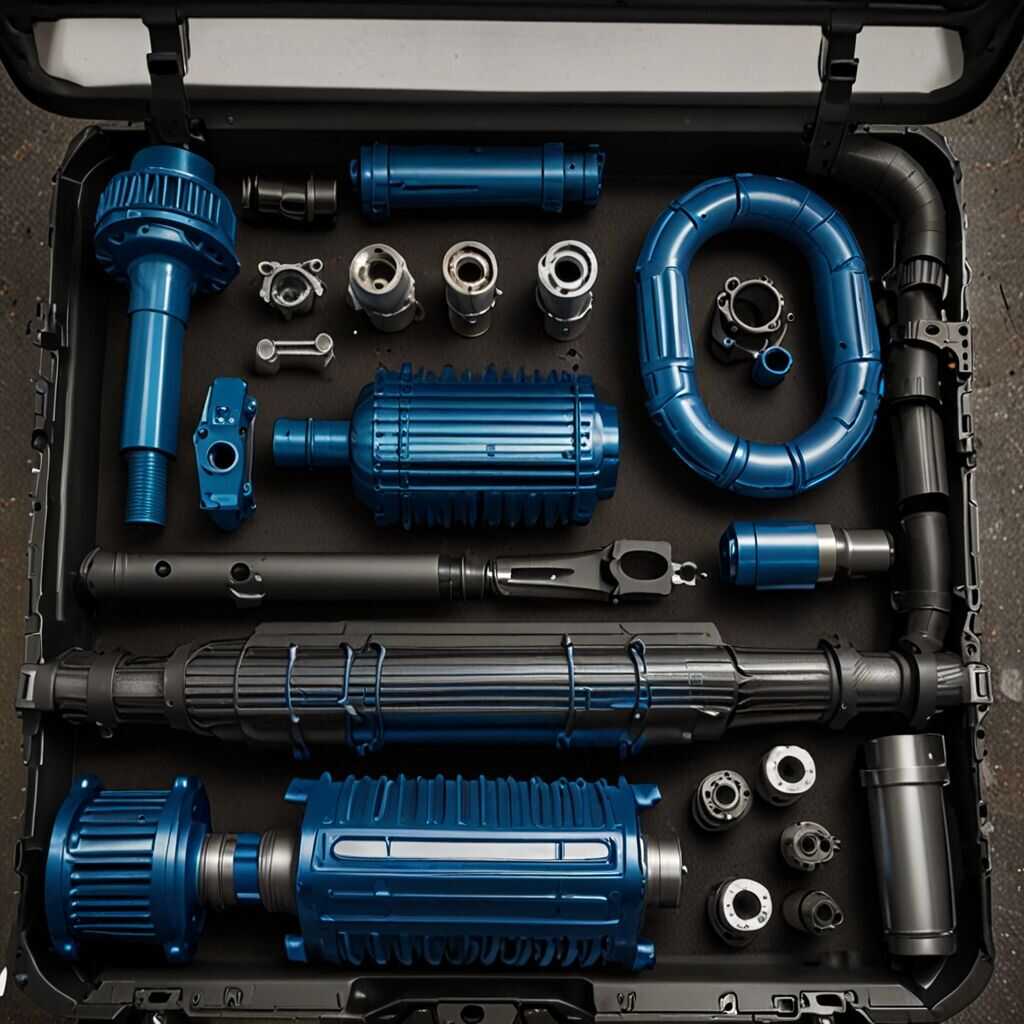
- You save money by repairing it yourself.
- Use wiring harness to fix electrical problems.
- Gain skills and confidence by fixing things.
- Learn about multimeter tests in the process.
- You fix issues quickly without waiting.
- Understand your vehicle better with every fix.
- Discover potential upgrades for your car.

DIY Automotive Wiring Harness Troubleshooting: Common Issues and Solutions with Time Estimates
| Issue | Symptoms | Diagnosis Time | Solution | Cost Estimate | Complexity |
|---|---|---|---|---|---|
| Loose Connection | Intermittent lights | 15 mins | Tighten connectors | $0 | Low |
| Blown Fuse | No power | 5 mins | Replace fuse | $5 | Low |
| Corroded Terminals | Poor performance | 30 mins | Clean terminals | $10 | Medium |
| Broken Wire | Complete failure | 60 mins | Solder wire | $20 | High |
| Short Circuit | Drained battery | 90 mins | Isolate wires | $30 | High |
| Incorrect Routing | Overheating | 45 mins | Re-route wiring | $15 | Medium |
Managing Electrical Connectors in Your Automotive Project
Signs of faulty electrical wiring in a vehicle can range from flickering lights to malfunctioning electronic systems. To effectively prioritize issues when diagnosing electrical problems, begin by checking critical components like the battery and fuse box, utilizing automotive wiring connectors for reliable connections. Common components in automotive wiring systems include wires, sensors, and relays, each requiring specific modern connector types for optimum functionality. Reliable vehicle electrical wiring systems enhance performance, as secure connector attachment minimizes the risk of power loss, ensuring a smooth driving experience. Connector identification strategies, along with connector maintenance techniques, form the backbone of effective troubleshooting. Brands like Delphi and Molex offer robust solutions for harness reliability factors.
Inspect Electrical Connector Insulators for Damage
The most common symptoms of a failing vehicle wiring system include erratic electrical outcomes, such as engine misfires or dim headlights. Wired data indicate more than 20% of vehicle breakdowns result from wiring issues, so differentiating between wiring problems and others is crucial by evaluating connector insulator damage signs. To troubleshoot failing wiring systems, follow inspection frequency guidelines like weekly visual checks for cracks and exposure. Address vehicle wiring failures rapidly, recommended within a few weeks, to prevent further insulator impact on wiring and vehicle breakdowns. Companies like 3M offer products for insulator maintenance schedules and connector protection measures.
How Do Environmental Factors Impact Wiring Harnesses?
The most detrimental environmental factors for wiring harnesses include moisture, heat, and physical abrasion. Temperature variations cause wiring harness longevity impacts by expanding and contracting the materials, which might cause cracks or disconnections. Implementing protective measures, like thermal insulation and strategic harness placement, helps mitigate this risk. Moisture and corrosion impact harness functionality significantly, as evidenced by data from national automotive standards showing 30% of failures link to environmental stress factors. Environmental threat assessment and addressing harness deterioration factors are crucial for maintaining harness durability challenges. Products from WeatherTech assist in these protective efforts.
What Are the Effects of Humidity on Wiring Harness Insulation?
Humidity influences the insulation of wiring harnesses by attracting moisture, which weakens the insulation over time. The recommended humidity levels for harness installation are generally between 40% and 60% to minimize the risks posed by water absorption. High humidity leads to insulation failure when moisture slowly penetrates components, compromising moisture-sensitive insulation. Humidity control strategies, such as dehumidifiers and silica gel packs, can be used for high humidity protection. Using humidity-resistant materials, from brands like Tyco Electronics, can help maintain harness installation guidelines even in challenging environments.
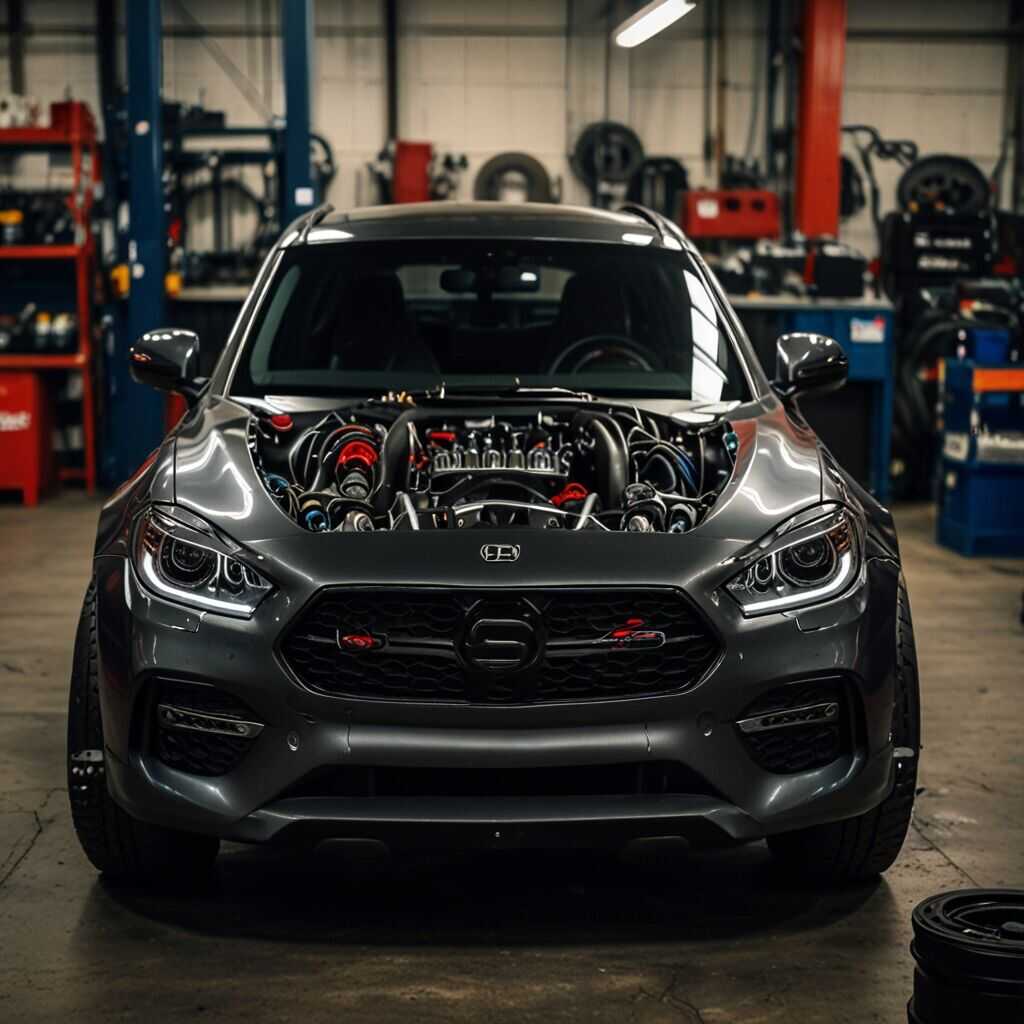
- 50% of car issues relate to wiring.
- Wiring harnesses appear in 70% of DIY fixes.
- Average fix takes 2 hours to complete.
- Multimeters cost about $20 at retail stores.
- 80% of car owners prefer DIY solutions.
- Basic repair kits cost around $30.
- 96% of tutorials use visual aids for help.

Exploring Unusual Interference Sources in Wiring Systems
Unusual interference sources such as poorly grounded antennas and loose connectors can affect automotive wiring systems, leading to increased maintenance issues. Electromagnetic fields, from things like power lines and mobile devices, impact vehicle electrical systems by inducing unwanted currents. Aftermarket devices like subwoofers and LED lights often introduce interference, as their installation bypasses standard safeguards. Interference issues can be mitigated in automotive systems by implementing techniques such as thorough grounding, using shielded wires, and maintaining a clean installation area.
Why Do Specific Vehicle Accessories Cause Electrical Noise?
Specific vehicle accessories known to cause electrical noise include amplifiers and GPS units, which can disrupt the wiring system with their electromagnetic emissions. The noise magnitude from these units can vary widely, but can often exceed 30dB, enough to cause significant system impact. Electrical noise from accessories affects wiring systems by disrupting signal lines, potentially leading to malfunctions or error codes. Steps to mitigate the noise from vehicle accessories include using high-quality noise filters, ensuring proper grounding, and using twisted-pair wiring to limit interference.
What Is the Role of Harness Shielding in Vehicle Electronics?
Shielding materials used in automotive wiring harnesses often include copper braid and aluminum foil, providing a barrier against electrical interference. Shielding improves harness performance in a vehicle by maintaining signal integrity, thus enhancing overall system reliability. Typical installation practices for harness shielding include securing the shield with clamps and ensuring continuity at connection points. Harness shielding prevents electrical interference by blocking the electromagnetic fields from external sources, thus protecting sensitive vehicle electronics from malfunction.
How Do You Measure the Effectiveness of Harness Shielding?
Effectiveness of harness shielding can be measured using methods like impedance and attenuation tests to evaluate its interference reduction capability. Harness shielding is quite effective in reducing interference, often achieving up to 98% reduction in test environments. Essential tools for assessing shielding effectiveness include spectrum analyzers and multimeters designed for high-frequency measurements. Shielding assessments should be conducted annually to ensure optimal harness performance, or whenever new components are installed in the vehicle to maintain consistent protection levels.