Window Type refers to the specific material used for the rear aperture of an Auto Tops Convertible, typically choosing between clear plastic or heated glass. Your selection depends on your priority for visibility, cabin noise levels, and the specific weather conditions you expect to encounter while driving.
Which Window Type Suits Your Driving Needs?
| If this is you | The Window Type that suits you | Why |
|---|---|---|
| You prioritize low cost and lightweight weight for a secondary weekend car. | Plastic Window | Plastic provides a cost-effective solution that is easier to handle during manual installation and replacement. |
| You frequently drive in heavy rain or at night and require maximum clarity. | Heated Glass Window | Glass maintains its transparency in extreme temperatures and prevents the fogging or “frosting” common with plastic. |
| You want to minimize wind noise and cabin vibration at highway speeds. | Heated Glass Window | The rigidity of glass provides a superior seal and structural integrity compared to flexible plastic membranes. |
| You live in a region with extreme temperature swings that cause material contraction. | Heated Glass Window | Glass is less prone to the material shrinkage that can cause plastic windows to pull away from their fasteners. |
| You prefer a “stock” feel and want the closest possible match to an OEM Replacement. | Heated Glass Window | Most premium and factory-original convertible tops utilize glass to meet safety and acoustic standards. |
Products in this category with a full review here
From $190 to $499: the 3 in this category we have reviewed in full.


Sierra Auto Tops Audi A4 S4 Convertible Top
If you are looking for a specific model, see our comparison of Trektop NX Glide soft tops.
$263.64 price checked August 2026
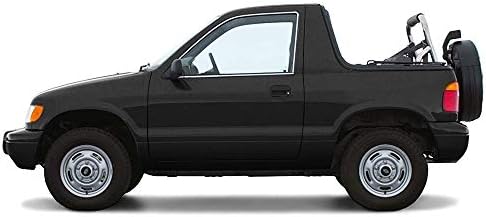
KIA Sportage 1996-2002 Convertible Soft Top
$499 price checked August 2026
Read our full Sportage Soft Top review
For those on a strict budget, explore affordable convertible soft tops under $500.
How to Verify Your Window Type Before Ordering
To determine which window type your vehicle requires, you must first identify the material currently installed or the specific requirements of your vehicle’s frame. Most modern vehicles use either a clear polycarbonate plastic pane or a tempered glass pane.
Identifying Your Current Material
Examine the current window to see if it is a flexible membrane or a rigid pane. If the material feels like heavy-duty plastic and can be slightly flexed, it is a plastic window. If the material is rigid, heavy, and does not flex, it is a glass window.
Checking Frame Compatibility
Check the mounting points on your convertible frame to see if they are designed for a heavy glass pane or a light plastic insert. Glass windows require reinforced mounting brackets and specific fasteners to handle the weight and tension. If your current frame has reinforced, heavy-duty bolts, it is likely designed for a glass window. If the mounting points are lighter and use plastic clips or thin screws, a plastic window is the standard fit.
Consulting the Manufacturer Specification
The most accurate way to establish your requirement is to check the vehicle’s service manual or the original equipment manufacturer (OEM) specifications. Look for the “Exterior” or “Convertible Top” section to see if the window is listed as “Glass” or “Plastic.” This ensures you do not order a window that the frame cannot structurally support.
What Happens if You Choose the Wrong Window Type?
Choosing a window type that does not match your vehicle’s design or your driving environment leads to specific functional failures. These issues often manifest as safety hazards or significant discomfort during operation.
Before purchasing, verify your vehicle’s history by checking the model year compatibility for convertible tops.
Issues with Plastic Windows in High-Speed Use
If you choose a plastic window for a vehicle designed for high-speed highway travel, you may experience significant wind noise. Because plastic is flexible, it can vibrate or “flutter” at high speeds, creating a loud drumming sound. In some cases, the material may also deform or warp over time due to constant wind pressure.
Issues with Glass Weight and Fit
If you attempt to install a glass window on a frame designed for plastic, the weight may exceed the load capacity of the mounting hardware. This can lead to a Frame Tension Mismatch, where the top becomes loose because the brackets cannot hold the weight properly. A loose top allows water ingress and creates dangerous flapping at highway speeds.
Material Shrinkage and Seal Failures
Low-quality plastic windows are prone to material shrinkage. Over time, the plastic may contract, causing the window to pull away from the mounting points. This leads to a Window Seal Failure, where moisture and wind enter the cabin because the window is no longer seated correctly in the frame.
What to Do if You Are Between Window Types?
If your vehicle’s specifications are unclear or if you are deciding between plastic and glass for a new build, you must choose based on the primary environment of the vehicle. If the vehicle will spend more than 50% of its time on highways or in heavy rain, glass is the necessary choice.
Prioritizing Safety and Clarity
When in doubt, prioritize the material that offers the best visibility in adverse conditions. Glass provides a consistent optical path that does not cloud up when wet. If you cannot confirm the original specification, choosing the higher-performing material (glass) is the safer option for visibility, provided your frame can support the weight.
Professional Installation Requirements
Because glass windows involve significant weight and specific sealing requirements, the installation of a glass window is a job for a qualified installer. A professional can ensure that the glass is seated correctly and that the mounting hardware is torqued to the correct specifications to prevent leaks or noise. For plastic windows, the installation is often more straightforward, but you should still confirm that the mounting points are secure before proceeding.