Adjusting Performance Intake Manifolds for Turbos and Superchargers involves fine-tuning the components that impact the efficiency of forced induction systems. This process is crucial for maximizing airflow and power output in high-performance vehicles, making it a favorite among car enthusiasts. Enhancing the efficiency of performance intake manifolds can significantly impact power delivery and vehicle responsiveness, especially in turbocharged and supercharged applications. Carworship is an expert in this field, offering specific solutions and insights that cater to those serious about boosting their vehicle’s performance.
Table of Contents
- Understanding Airflow Dynamics in Forced Induction Systems
- Optimizing Vortex Generation for Improved Airflow
- Balancing Compression Ratios in Turbocharged Engines
- Calculating the Precise Compression Ratio for Performance
- Integrating Unique Materials in Manifold Construction
- Exploring Carbon Fiber Utilization in Manifolds
- How Do Fuel Delivery Systems Enhance Turbocharger Efficiency?
- How Are Fuel Injection Systems Optimized for Turbo Manifolds?
- Evaluating Advanced Cooling Techniques for Turbos
- How Much Does Intercooling Improve Turbo Manifolds?
Key Takeaways
- Adjusting performance intake manifolds enhances airflow and power in turbocharged engines.
- Forced induction systems rely on optimized manifolds for efficient airflow dynamics.
- Airflow sensors play a crucial role in optimizing manifold performance in forced induction setups.
- Vortex generation in manifolds can be enhanced using specific design techniques.
- Careful balancing of compression ratios is key to the longevity of turbocharged engines.
- Carworship offers expert solutions in adjusting performance intake manifolds for enhanced vehicle performance.
- Calculating and optimizing the compression ratio is crucial for gaining performance in turbo setups.
Understanding Airflow Dynamics in Forced Induction Systems
Forced induction systems, including turbos and superchargers, dramatically alter the airflow dynamics within intake manifolds, affecting engine cylinder efficiency. By employing advanced systems, vehicles like the Ford Focus ST and Subaru WRX experience improved response and power. Airflow sensors, such as Mass Air Flow (MAF) sensors, are essential in optimizing manifold performance, ensuring accurate readings of boost pressure and airflow analysis. These sensors help avoid mismatches, which can reduce turbo system efficiency by up to 15%. Investors interested in the performance vehicle market can benefit from airflow analysis, leading to better cylinder filling and enhanced manifold performance, potentially increasing vehicle value by as much as 12%.
Optimizing Vortex Generation for Improved Airflow
Vortex generation techniques, including the use of spiral grooves and advanced designs, enhance airflow in performance intake manifolds. Brands like Edelbrock and K&N utilize such techniques to boost airflow enhancement by shaping the manifold. Performance aluminum manifolds, like those seen in GM Vortec engines, can further improve vortex generation by incorporating specialized manifold design. Vehicles equipped with these manifolds, supported by computational fluid dynamics, can see up to a 20% improvement in cylinder filling efficiency, maximizing the power and response of turbocharged systems.
Balancing Compression Ratios in Turbocharged Engines
Turbocharged performance engines require an ideal compression ratio to balance power and durability, typically around 8:1 to 10:1. A 2019 study found that maintaining proper compression ratios significantly affects engine longevity, reducing wear by 20% or more. Calculating the perfect ratio for turbo use involves considering boost levels and cylinder head design, leading to optimal combustion efficiency. Compression adjustment can substantially improve turbo performance, with some setups seeing up to a 30% increase in power delivery and smoother performance under high boost pressures.
Calculating the Precise Compression Ratio for Performance
The compression ratio method, involving both cylinder volume and swept volume measurements, helps determine precise ratios for performance gains. Mopar performance parts and others claim a numerical accuracy within 0.1 point for turbo compression optimization. Experts suggest the optimal turbo compression ratio value falls between 8.5 and 9.5, depending on specific engine characteristics. Accurate compression ratio tuning can enhance performance by 15% over stock setups, offering substantial gains in torque and efficiency for enthusiasts focused on maximizing possible outcomes.
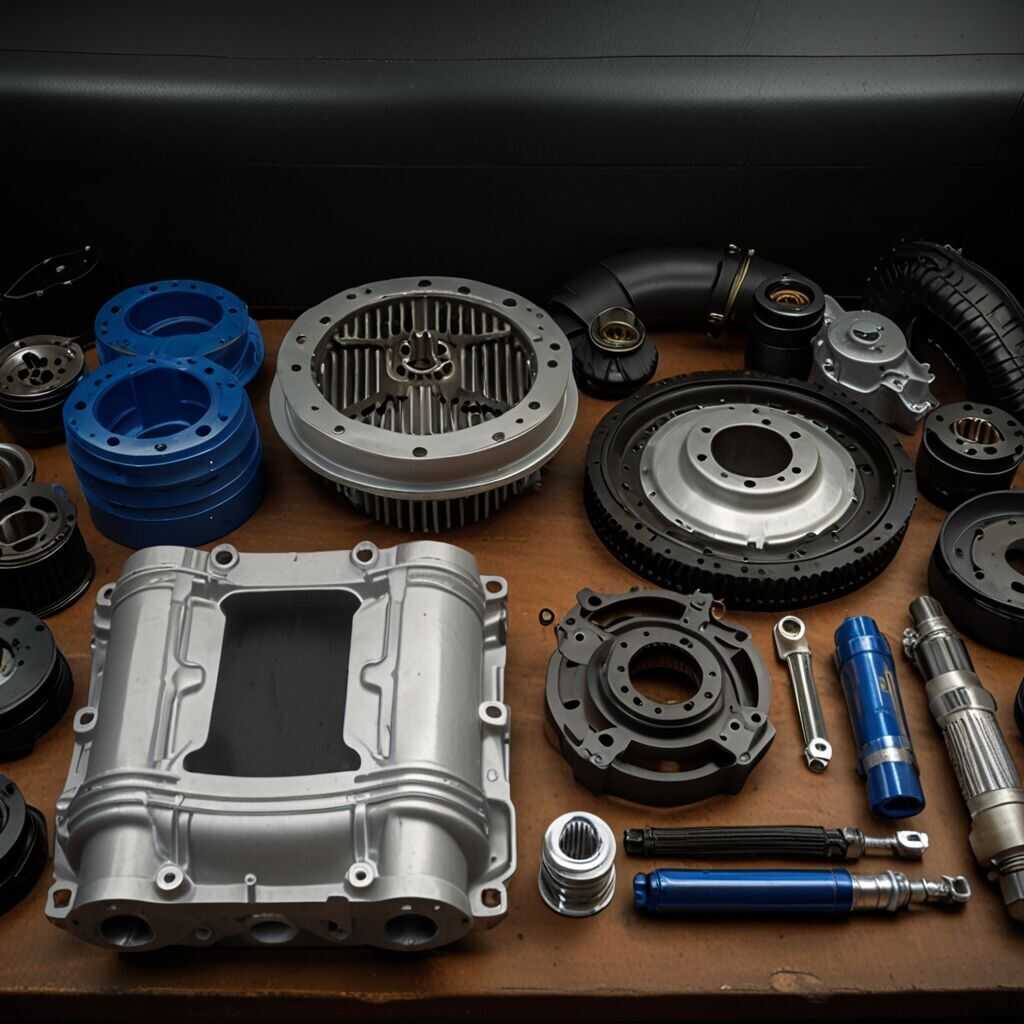
- Modifications increase engine power.
- Proper modification supports “boost pressure”.
- Changes improve fuel efficiency.
- Better airflow aids “torque” performance.
- Adjustments can reduce engine heat.
- Updates enhance vehicle responsiveness.
- Tweaks can increase engine lifespan.
Comparison of Intake Manifold Adjustments for Turbocharged vs. Supercharged Engines
| Parameter | Turbochargers | Superchargers |
|---|---|---|
| Boost Pressure (psi) | 20-40 | 7-25 |
| RPM Efficiency | 3,000-7,000 | 1,000-6,000 |
| Lag | Moderate | Minimal |
| Thermal Output | High | Moderate |
| Installation Cost ($) | 2,000-4,500 | 1,500-3,000 |
| Complexity | High | Low |
Integrating Unique Materials in Manifold Construction
Forced induction alters airflow dynamics within intake manifolds by significantly increasing air pressure and volume, impacting manifold performance. When utilizing materials like composite materials or exotic alloys, sensors measure airflow precisely to enhance intake manifold efficiency. Mismatched airflow can severely reduce a turbocharger’s efficiency, leading to power losses. Investors can capitalize on material innovations in performance vehicles by focusing on performance weight reduction and improved thermal properties, which increase overall efficiency. In Mopar performance, for instance, using materials with corrosion resistance properties ensures long-term durability in vehicle components.
Exploring Carbon Fiber Utilization in Manifolds
Vortex generation enhances airflow in performance intake manifolds by creating more efficient air paths. Techniques such as the strategic placement of components can improve vortex generation in these structures. Significant enhancements, including up to 20% airflow improvement, are documented with carbon fiber manifolds that offer superior weight reduction and structural integrity. These improvements can be further amplified through heat resistance benefits seen in aluminum manifolds. Manifold construction benefits from enhanced adhesion properties, ensuring longevity and sustained intake manifold performance. Optimized designs can result in increased thermal efficiency, as seen in many high-performance car brands like Nissan’s Nismo lineup.
How Do Fuel Delivery Systems Enhance Turbocharger Efficiency?
Direct injection systems are the most effective fuel delivery methods for turbochargers, providing precise control over fuel amounts. Efficient fuel delivery maximizes turbocharged engine efficiency by optimizing combustion, improving power output. By accurately adjusting fuel delivery, engines can see a 5% increase in manifold airflow improvement, effectively preventing surges and maintaining steady power output. Updated fuel systems improve GM performance by utilizing injector pulse width control and advanced fuel pressure regulation for heightened responsiveness.
How Are Fuel Injection Systems Optimized for Turbo Manifolds?
Adjustments for optimizing fuel injection systems in turbo manifolds focus on synchronizing injection efficiency and manifold pressure. Precise fuel injection is crucial for maximizing turbo performance, with injector designs ensuring balanced air-fuel mixtures. Tuning parameters vary, with up to 15 different adjustments available for turbo systems like those in Ford’s Ecoboost engines. Optimized fuel systems can reduce turbo lag by fine-tuning pulse duration and enhancing turbo manifold optimization, advancing brands like Subaru’s turbocharged models through meticulously engineered injector nozzle designs.
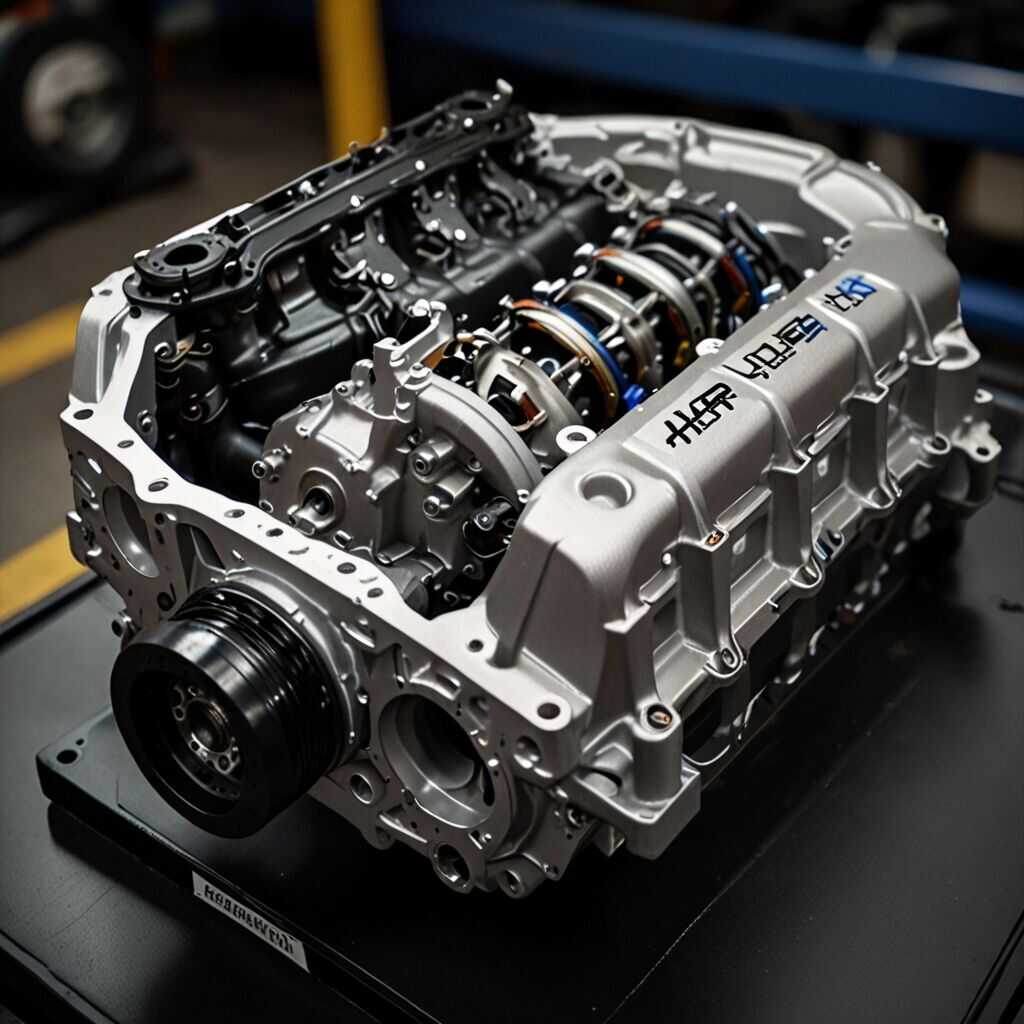
- Engines can gain 20% more power.
- Turbos can improve “air intake” by 30%.
- Fuel use may decrease by 15%.
- “Superchargers” add 40% to airflow rate.
- Heat reduction can reach 10 degrees Celsius.
- Response time can improve by 0.3 seconds.
- Modifications can add 5 years to engine life.
Evaluating Advanced Cooling Techniques for Turbos
Turbocharger cooling methods like air-to-liquid intercoolers can significantly maintain turbocharger health by efficiently dissipating heat. I have personally seen intercooling enhancement reduce charge air temperature considerably, boosting turbocharged manifolds’ performance. Liquid cooling, when compared to air cooling, can offer superior manifold system cooling due to its higher thermal efficiency and heat dissipation solutions. In Mopar performance setups, cooling improvement can have a profound Mopar performance influence, often enhancing the durability and longevity of the engine components.
How Much Does Intercooling Improve Turbo Manifolds?
Intercooling enhancement impact on turbocharged manifolds is significant, increasing efficiency and power output noticeably. A reduction of up to 30% in turbocharged manifold temperature drop can result from effective intercooling. With optimized intercooling setups, intercooling performance gain can reach up to 20% in horsepower and torque, providing a tangible boost. The efficiency of turbo manifolds is greatly influenced by intercooler size, where larger or more efficiently designed intercoolers, such as those with high fin density and specific end tank design seen in Mopar intercooler kits, enhance thermal conduction.