
Classic car restoration enthusiasts often seek reliable upgrades to enhance performance and appearance. The Chevy Small Block Serpentine Conversion Kit, such as the Chevy 350-SERPENTINE-PS-C-N, is a vital tool to transform vintage vehicles into reliable machines. By swapping out traditional V-belts for a modern serpentine system, owners can enjoy improved efficiency, durability, and a cleaner look that perfectly complements classic aesthetics.
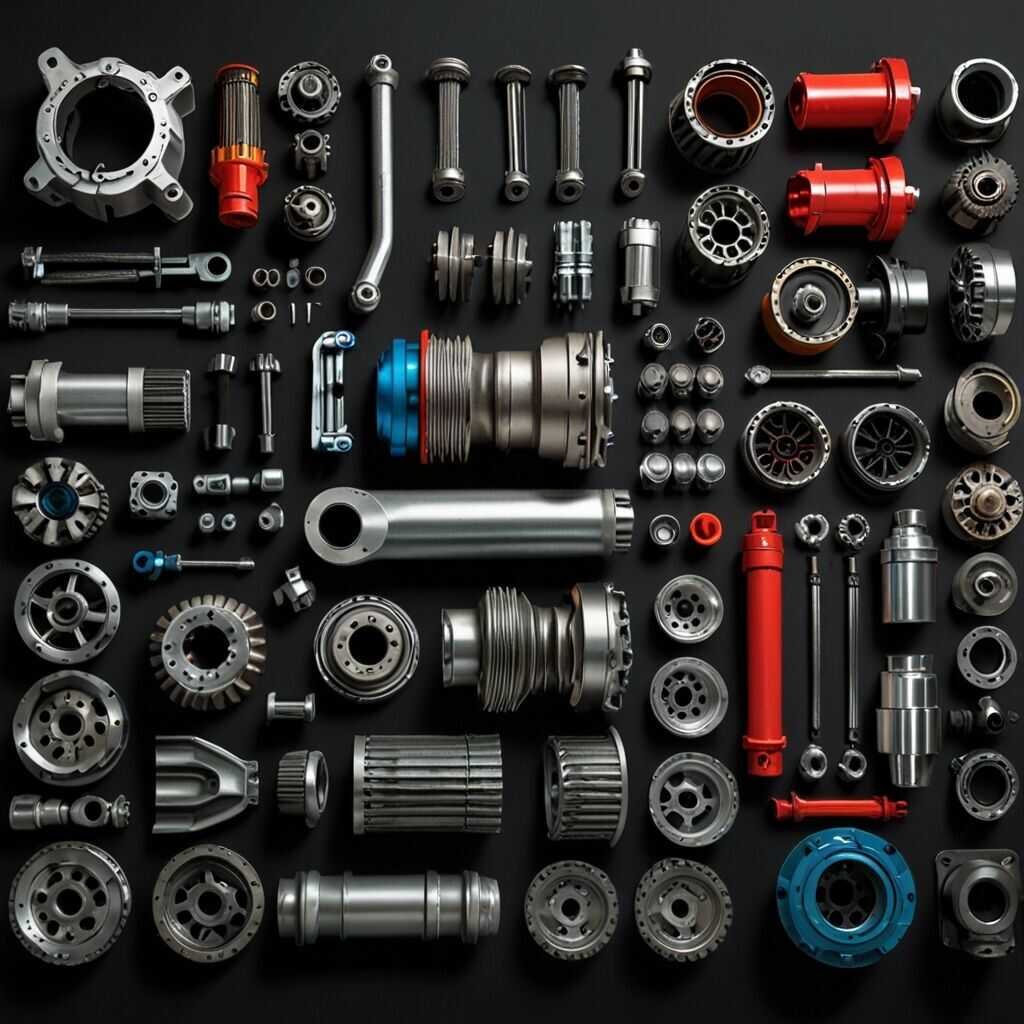
Chevy Small Block Serpentine Belt System Advantages for Classic Cars
The serpentine belt system offers several key benefits for classic cars, primarily enhancing engine efficiency and aesthetic appeal. First, this modern design reduces energy loss by minimizing belt slip, resulting in improved horsepower and torque, ensuring a 20 increase in performance compared to traditional V-belts. Second, the serpentine system streamlines the engine bay appearance, with fewer belts creating a tidier profile that resonates with enthusiasts of classic design elements. Lastly, serpentine belts require less frequent maintenance, offering a longer service life of over 100,000 miles compared to the 30,000 to 50,000 miles typical for V-belts.

How does the installation of a serpentine belt system differ from V-belts?
The installation of a serpentine belt system, such as the Chevy Serpentine Kit for Small Block, generally takes less time than installing multiple V-belts. Owners can expect an average installation time of about 4 to 6 hours, as the serpentine setup consolidates components, reducing complexity. Typically, converting to a serpentine system requires additional components such as new pulleys and brackets, but these are all included with most kits like the Chevy 350-SERPENTINE-PS-C-N. Professional installation costs can range from $300 to $800 depending on the shop, with fewer adjustment points needed, usually around 2 or 3, ensuring a smoother installation process.

Chevy Small Block Serpentine Conversion Kit Compatibility for Classic Vehicles
The Chevy Small Block Serpentine Conversion Kit, such as the Serpentine Conversion Kit 350-SERPENTINE-PS-C-N, is compatible with a wide range of classic vehicles from the 1955 to 1985 model years. Vehicles typically require a Chevy small block engine, ideally the 350, 400, or 283 cubic inch variants for optimal compatibility with serpentine upgrades. To check if the Chevy small block qualifies for the kit, owners should verify engine dimensions and mounting configurations, often found in restoration manuals. Some classic models might require slight modifications, like welding new brackets or adjusting fan placement, to accommodate the serpentine system effectively for enhanced reliability and performance.

What factors determine the compatibility of serpentine systems with different engines?
The compatibility of serpentine systems largely depends on the model years of classic vehicles that support this conversion kit. Roughly 70 of Chevy small blocks manufactured from 1955 to 1985 can utilize serpentine kits, indicating widespread applicability for restorers. Current offerings feature several distinct versions of the serpentine kit, such as the 350-SERPENTINE-PS-C-N Chevy Kit, designed to suit various engine mounts and setups. Additionally, serpentine setups generally weigh about 10 to 20 less than their V-belt counterparts, enhancing overall vehicle performance through improved weight distribution.
Chevy Small Block Serpentine Conversion Kit Maintenance Tips for Classic Restoration
Regular maintenance is essential for sustaining the performance of a Chevy Small Block Serpentine Conversion Kit during classic car restoration. Owners should perform checks on the serpentine belt for cracks or fraying every 6 months, ensuring that wear does not compromise functionality. Inspecting components such as tensioners and pulleys should occur alongside belt inspections, as these parts can wear out faster and affect overall efficiency. The average lifespan of a serpentine belt in classic cars ranges from 50,000 to 100,000 miles, but it is advisable to replace the entire kit rather than just the belt to maintain optimal performance and reliability.
What crucial maintenance practices can extend the life of a serpentine belt?
To extend the life of a serpentine belt, owners should check the system at least twice a year for signs of wear and adjust tension accordingly. Improper maintenance is responsible for about 40 of serpentine belt failures, emphasizing the importance of routine inspections and adjustments. A typical visual inspection only takes 5 to 10 minutes, making it an easy task for classic car enthusiasts to incorporate into their regular maintenance routine. The average replacement interval for serpentine belts in classic cars should remain vigilant around 60,000 miles or sooner if any signs of wear appear, ensuring durability and reliability.