A dual mass flywheel (DMF) is designed to provide smooth engine operation and reduced vibration by isolating the engine’s rotational energy from the transmission. While replacing a failing unit with a new DMF is a standard repair, it is not the only way to address vibration issues or achieve a smooth power delivery in a vehicle. Depending on your goals—whether you are seeking to maintain a specific driving feel, reduce maintenance costs, or simply keep a vehicle running—there are several alternative routes to consider before committing to a new DMF purchase.
Switching to a Single Mass Flywheel (SMF) Alternative
Switching to a single mass flywheel (SMF) is a common engineering alternative to a dual mass flywheel (DMF) for those seeking a more durable, simplified powertrain.
In this configuration, the flywheel is a solid piece of metal without the internal springs or dampers found in a DMF. This change typically results in a higher cost of ownership over the long term because SMFs are more prone to transmitting engine vibrations directly to the drivetrain, which can lead to increased wear on the clutch and gearbox bearings. However, the SMF is often more cost-effective during the initial installation because the units are generally less complex and cheaper to manufacture. This alternative beats buying a DMF when your priority is extreme durability or a specific “raw” mechanical feel. It stops making sense for drivers who require the smooth, refined idle and acceleration characteristic of modern passenger vehicles, as the increased vibration can lead to a less comfortable cabin experience.
Where these choices show up in our reviews
3 reviewed options, $159.13 to $489.65, with the full write-up behind each name.
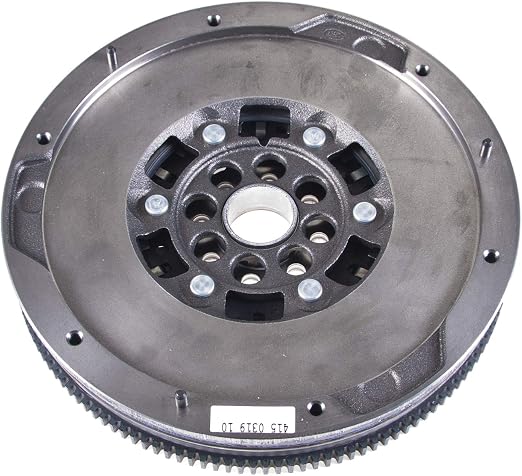
LuK DMF117 Dual Mass Flywheel
$159.13 price checked August 2026
If you are on a strict budget, view top-rated automatic transmission flywheels under $250.
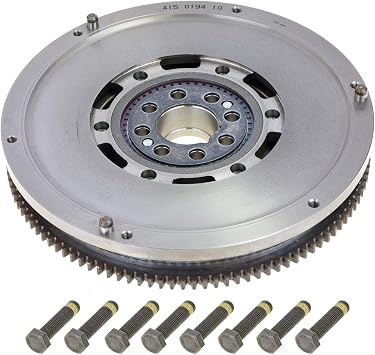
LuK DMF037 Dual Mass Flywheel
$489.65 price checked August 2026
Read our full DMF037 Flywheel review
Owners looking for specific components should see our comparison of dual mass flywheel replacements.

Buying a Refurbished Dual Mass Flywheel
Buying a refurbished dual mass flywheel allows you to obtain a functional unit at a lower price point than a new replacement.
To ensure your order is correct, learn how to identify the correct OEM flywheel number.
Refurbishing involves a professional workshop dismantling the flywheel, inspecting the internal springs and damping elements, and replacing worn components to meet safety standards. The cost of a refurbished unit is lower than a new one, though it remains higher than a standard single mass flywheel. This option is superior to buying new when you are on a strict budget but still require the vibration-damping benefits of a DMF. It stops making sense if the vehicle is a high-mileage daily driver where the risk of a secondary failure in a refurbished component outweighs the initial savings. For high-stress applications, a new unit is generally preferred to ensure the damping material has not been compromised by heat cycles.
Engine Balancing and Harmonic Tuning
Engine balancing and harmonic tuning is an alternative that addresses the source of vibration rather than the symptom at the flywheel.
This process involves precision machining or weighting of the crankshaft and internal components to ensure the engine rotates with minimal parasitic vibration. The cost of this service is often lower than the combined cost of a new DMF and the labor to install it. This route beats buying a new flywheel when the vibration issues are caused by internal engine imbalances rather than a worn-out damping unit. It stops making sense if the flywheel’s internal springs have already failed or if the flywheel’s mass distribution has been compromised by heat, as no amount of engine balancing can fix a mechanically broken damping system.
Comparison of Alternatives to Buying a New Dual Mass Flywheel
| Route | Who it Suits | Main Advantage | Where it Breaks Down |
|---|---|---|---|
| Single Mass Flywheel | Performance/Track users | Simplified durability | Increased cabin vibration |
| Refurbished DMF | Budget-conscious owners | Lower initial cost | Potential for premature wear |
| Engine Balancing | Specific vibration issues | Addresses root cause | Does not fix broken flywheels |
When is Buying a New Dual Mass Flywheel the Right Answer?
Buying a new dual mass flywheel is the correct choice when the existing unit shows physical signs of failure, such as excessive play, audible clicking, or a “clunking” sensation during gear changes. If the internal damping springs have lost their tension or the friction surfaces are unevenly worn, no amount of balancing or refurbishment can restore the unit to safe operating parameters.
This purchase is also the correct choice for new vehicle builds or high-mileage vehicles where the remaining life of the current flywheel is uncertain. Because a DMF is a critical safety component, replacing it with a new unit ensures that the vibration damping meets the original equipment manufacturer (OEM) specifications for material fatigue life. If you require the specific vibration-damping characteristics required by your vehicle’s engineering architecture—such as those found in modern diesel or high-torque gasoline engines—a new DMF provides the most reliable path to maintaining the vehicle’s intended ride quality.