ABS Sensor Type refers to the specific electrical technology used to communicate wheel speed data to a vehicle’s electronic stability control system. The correct type is determined entirely by your vehicle’s existing hardware requirements rather than a preference for performance or speed.
Which ABS Sensor Type Suits Your Situation?
| If this is you | The ABS Sensor Type that suits you | Why |
|---|---|---|
| You own a modern passenger car or SUV from the last 10 years. | Active (Hall Effect) | Most modern vehicles use active sensors that provide a digital signal, allowing for more precise electronic braking and stability control. |
| You are repairing an older vehicle or a heavy-duty truck. | Passive (Variable Reluctance) | Older systems rely on a magnetic field change to produce an analog voltage; these are often more robust for high-heat, heavy-load environments. |
| You are performing a hub replacement on a vehicle with a dashboard warning light. | The specific type currently installed on your vehicle. | The sensor must match the existing wiring and ECU logic; swapping between active and passive types will disable safety systems. |
| You are restoring a vintage vehicle that lacks an ABS system. | None / N/A | If the vehicle does not have an ABS system, there is no requirement for an ABS sensor type, and a standard hub assembly is sufficient. |
Products in this category with a full review here
These 3 have their own full review on this site, and run from $180.29 to $292.55.
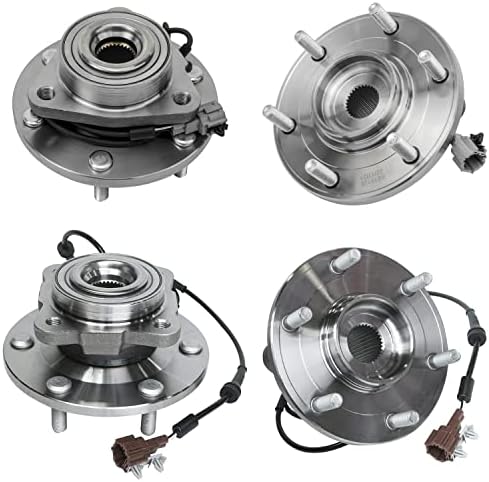
Detroit Axle Nissan Armada Infiniti QX56 Wheel Bearing
$292.55 price checked August 2026
Read our full Armada QX56 Wheel Bearing review
If you own a truck, see our guide to the best wheel hub for chevy silverado sierra.

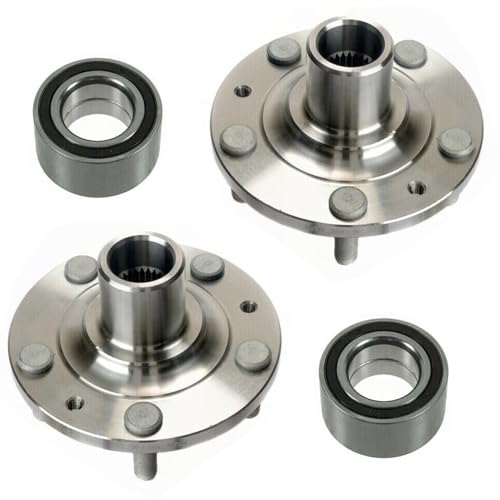
Detroit Axle Wheel Bearing & Hubs Kit
$180.29 price checked August 2026
Read our full Wheel Bearing Hubs review
Owners of Honda models can find the best wheel bearing hub for honda pilot mdx here.
How Do I Identify My Correct ABS Sensor Type?
Identifying the correct ABS Sensor Type requires verifying the physical hardware and the electrical output of the sensor currently mounted to your wheel hub.
You should also learn how to identify the correct hub bolt pattern for your vehicle.
Visual Identification of the Sensor
You can often distinguish between types by looking at the sensor head. Active Hall Effect sensors frequently feature a small, distinct face or a specific internal magnet housing. Passive Variable Reluctance sensors often have a larger, more robust cylindrical body designed to sit closer to the tone ring to maximize magnetic flux.
Electrical Output Testing
A technician can determine the type by measuring the output signal using a multimeter. An active sensor will typically produce a digital square wave signal. A passive sensor produces an analog sine wave where the voltage varies based on the speed of the wheel. If you are unsure, identifying the sensor’s manufacturer part number is the most reliable method.
Consulting Factory Specifications
The most reliable way to establish your value is by checking the vehicle’s VIN or the original equipment manufacturer (OEM) parts list. The manufacturer will specify the exact sensor type required for your specific hub configuration. You should look for the “ABS Sensor” entry in the parts breakdown to see if it specifies a “Hall Effect” or “Variable Reluctance” unit.
What Happens if the ABS Sensor Type is Incorrect?
Selecting an incorrect ABS Sensor Type results in a mismatch between the sensor’s electrical output and what the vehicle’s computer expects to receive.
Active vs Passive Mismatch
If you install an active sensor on a system designed for a passive sensor, the vehicle’s computer will likely see no signal or an “out of range” signal. This typically triggers an immediate ABS warning light on the dashboard. In many cases, this mismatch will also disable traction control and electronic stability programming, as the computer cannot verify wheel speed.
It is also essential to verify the hub stud thread pitch before ordering parts.
Signal Interference and Noise
Using a sensor that is technically the right type but has an incorrect resistance or magnetic pull can lead to “ghost” signals. This might cause the ABS system to engage intermittently or trigger a warning light only when the vehicle reaches specific speeds. These issues are often difficult to diagnose because the sensor appears to be functioning, but the data it sends is corrupted by incorrect specifications.
What to Do if You Are Between Two Sensor Types?
If your vehicle’s documentation is unclear or if you are dealing with a borderline case where multiple sensor types appear compatible, you must default to the original equipment configuration.
Matching OEM Specifications
When a vehicle is designed to accept either an active or passive sensor—which is rare but possible in some heavy-duty applications—you should always choose the one that came from the factory. The vehicle’s control module is programmed to interpret a specific signal frequency and voltage range. Even if both types “fit” the hub, only the original type will communicate correctly with the electronics.
Professional Verification
If you cannot confirm the sensor type through documentation or visual inspection, have a qualified technician perform a diagnostic scan. A technician can use a scan tool to see what the computer expects from the hub. If the data shows a requirement for a specific signal type, you must match that requirement exactly. If you are unsure, it is safer to have the original sensor’s part number verified by a parts specialist before ordering a replacement hub.