An alternator is an electrical generator that converts mechanical energy from an engine into electrical energy to power a vehicle’s systems. It ensures that the electrical components of a car, such as the headlights, cooling fans, and infotainment systems, receive a steady supply of power while the vehicle is in motion.
The problem an alternator solves is the finite capacity of a vehicle’s battery. A battery is designed to provide a high burst of current to start the engine, but it cannot sustain the continuous electrical demand of modern vehicle electronics over time. Without an alternator to constantly replenish the battery’s charge and provide power to the electronics, the battery would drain within minutes of driving, leaving the vehicle stranded.
How does an alternator work?
An alternator works by using electromagnetism to create an alternating current (AC) which is then converted into direct current (DC) for use by the vehicle’s electrical system.
- The engine’s crankshaft turns a pulley attached to the front of the alternator.
- This pulley rotates an internal rotor, which is an electromagnet energized by the vehicle’s battery.
- The spinning rotor creates a moving magnetic field that passes through stationary coils of wire called the stator.
- This interaction induces an electrical current within the stator windings.
- A rectifier, consisting of a series of diodes, converts this alternating current into the direct current required by the vehicle’s electronics.
- The system regulates the output voltage to ensure it remains steady regardless of how fast the engine is spinning or how many components are drawing power.
Alternators we have reviewed in detail
Prices across these 3 run from $102.44 to $127.99; each one has a full review here.

ACDelco Gold 335-1086
$107.99 price checked August 2026
Read our full ACDelco 335-1086 review
If you own this specific sedan, see our top-rated Nissan Altima alternator options.

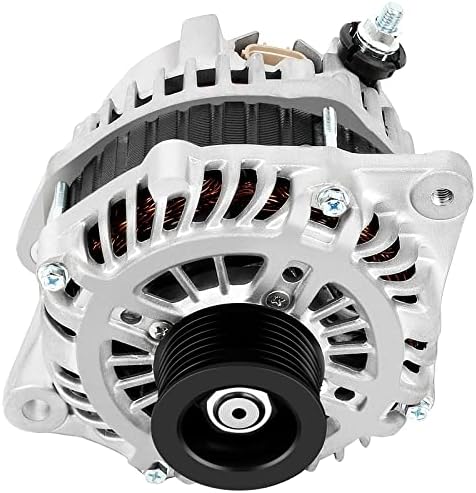
SCITOO 11341 Alternator for Nissan Altima Maxima Murano
$102.44 price checked August 2026
Read our full SCITOO 11341 Alternator review
To better understand technical data, look at common alternator terms and specs explained.
Parts and stages that matter to a buyer
Understanding the internal components of an alternator helps identify why different units perform differently under heavy electrical loads.
The Stator and Rotor Assembly
The stator is the stationary part of the alternator containing the primary copper windings, while the rotor is the rotating component that creates the magnetic field. The quality of the copper and the strength of the magnetic field determine the total amperage the unit can produce. Higher-quality materials in these components allow for a more efficient conversion of mechanical energy into electricity.
The Rectifier Bridge
The rectifier is the component that switches the current from alternating to direct. If the rectifier fails, the vehicle may experience erratic electrical behavior or a “no-start” condition because the battery is not being recharged. Buyers should note that the rectifier is a common point of failure in older units, as the diodes can overheat under high-demand scenarios.
The Voltage Regulator
The voltage regulator maintains a consistent output, typically between 13.5 and 14.5 volts. Without a precise regulator, the alternator might overcharge the battery, leading to heat buildup and permanent cell damage, or undercharge it, leading to a dead battery. A high-quality regulator ensures that the electrical output remains stable even when the engine RPM fluctuates.
The Pulley and Bearing System
The pulley is the interface between the engine’s serpentine belt and the alternator. The internal bearings support the rotor as it spins at high speeds. If the bearings are poorly manufactured, they can create friction, leading to excessive heat and a whining noise. High-quality bearings ensure the unit remains quiet and durable over thousands of miles.
What does having an alternator change in practice?
In practice, a functional alternator means the vehicle’s electrical system remains stable regardless of how many accessories are turned on. When the headlights, air conditioning, and heated seats are all active, the alternator compensates for the draw, preventing the battery voltage from dropping.
Determining your power requirements is easy with our guide on necessary alternator amperage.
High electrical load performance
In situations involving heavy electrical draws, such as using a winch or running high-powered auxiliary lights, the alternator’s output capacity becomes the deciding factor. If the alternator’s maximum output is lower than the combined draw of the accessories and the engine’s base electronics, the battery will begin to drain even while the engine is running. An alternator with a higher amperage rating allows for these heavy-duty applications without risking a dead battery.
Standard driving conditions
During normal driving, the difference between a standard and a high-output alternator is rarely noticeable. In daily commuting where the only active electronics are the radio and basic interior lights, a standard alternator provides more than enough current to keep the battery topped up. The difference only becomes relevant when the electrical demand exceeds the standard production capacity of the unit.
Who needs an alternator?
The need for a specific type of alternator depends entirely on the electrical demands of the vehicle and its intended use.
Standard replacement needs
A standard replacement alternator is required for most passenger vehicles that have not been modified with heavy electrical accessories. If a vehicle’s current alternator is failing—indicated by a battery warning light, dimming lights, or a failing charge system—a standard replacement that matches the original manufacturer’s specifications is the correct choice for maintaining factory performance.
High output requirements
A high-output alternator is required for vehicles with heavy-duty electrical requirements. This includes off-road vehicles with winches, trucks with large aftermarket lighting arrays, or vehicles equipped with high-power auxiliary cooling systems. If the total amperage of the added accessories exceeds the original factory output, the vehicle requires a high-output unit to ensure the battery remains charged under load.
When no alternator is needed
A new alternator is not needed if the vehicle’s electrical system is functioning correctly and the battery is holding a charge. If the battery is failing but the alternator is still producing the correct voltage, the solution is a new battery rather than a new alternator. Buyers should confirm the alternator’s output with a multimeter before purchasing to ensure the charging system is actually providing the necessary voltage.