Typical alternator warranties range from 12 months to 3 years depending on the manufacturing tier. The most common reason a claim in this category is refused is evidence of an external electrical surge or a short circuit caused by an aftermarket accessory, rather than a failure of the internal components.
What does an alternator warranty normally cover and exclude?
An alternator warranty normally covers internal manufacturing defects and component failures under standard operating conditions. Most manufacturers focus on the internal copper windings, the rectifier bridge, and the voltage regulator.
- Internal electrical component failure
- Manufacturing defects in the housing or mounting points
- Failure of the integrated voltage regulator
- Winding shorts caused by heat-induced degradation (within rated limits)
Warranty exclusions typically focus on external factors that the manufacturer cannot control or that result from improper installation by a non-qualified professional.
- Damage from external electrical surges or “spikes”
- Physical damage to the pulley or housing from impact
- Failure caused by a seized engine pulley or belt slippage
- Water ingress caused by improper sealing or environmental exposure
- Damage from incorrect wiring or short circuits in the vehicle’s harness
Reviewed examples from this category
3 reviewed options, $111.99 to $179.39, with the full write-up behind each name.

105 Amp Alternator for Acura CSX CR-V TSX
$111.99 price checked August 2026
If you own a Nissan, you can see our top-rated Nissan Altima alternator picks.
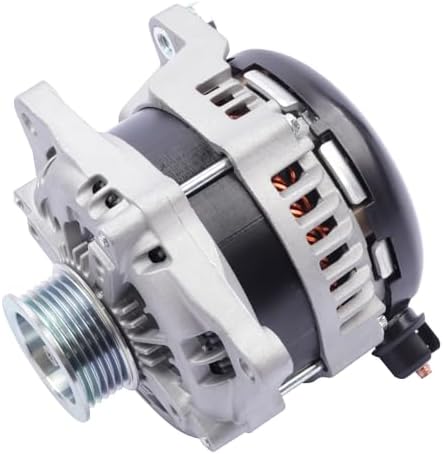
Explorer 2013-2019 3.5L V6 Turbocharged Alternator
$179.39 price checked August 2026
Read our full Explorer Alternator review
Truck owners should view our comparison of the best alternator for F-150.

How does the warranty change based on where you buy it?
The source of your purchase determines who manages the claim process and the strength of your legal protections against a faulty unit.
Understanding your power needs is easy when you calculate required alternator amperage output.
Direct from the manufacturer
Buying directly from the manufacturer usually provides the most straightforward claim path, as you deal with the entity that issued the warranty. These claims often move faster because there is no middleman to verify the shipping status or original sale price.
An authorised retailer
Authorised retailers act as the primary point of contact for warranty claims. They are expected to have a formal return process and may offer a replacement unit immediately from their local stock while the manufacturer inspects the faulty part.
A marketplace seller
Marketplace sellers often operate under different rules, where the platform’s own buyer protection may be your only recourse if the seller disappears. You must verify if the seller is a licensed dealer or a private individual, as private sales often carry no warranty at all.
A refurbished or open-box seller
Refurbished sellers often provide a much shorter warranty period, sometimes only 30 to 90 days. These units are frequently sold “as-is” or with a limited warranty that only covers the specific component that was tested during the refurbishment process.
An importer or grey-market seller
Grey-market sellers provide products intended for different regions, which can complicate warranty claims. The manufacturer may refuse to honour a warranty if the serial number does not match the region where the product was sold, potentially leaving you with no recourse.
What actions void an alternator warranty?
Specific actions and conditions will immediately void the warranty coverage on an alternator.
You can also explore the alternatives to an alternator if you are looking for different power solutions.
Aftermarket modifications
Installing high-output accessories like heavy-duty winches or large lighting arrays without upgrading the alternator to a high-output spec can void the warranty. If the alternator is forced to operate beyond its rated amperage, the manufacturer can claim the failure was due to overloading.
Improper installation
Incorrectly torqued mounting bolts or a pulley that is not aligned with the engine’s serpentine belt system can cause premature wear. If the pulley diameter does not match the original equipment manufacturer (OEM) specifications, the resulting belt friction can cause the unit to overheat and fail.
Environmental and electrical damage
Submerging the unit in water or exposing it to excessive salt spray without proper protection can lead to corrosion. Furthermore, any evidence of a “blown” internal component caused by a short circuit in the vehicle’s wiring, rather than a fault in the alternator itself, is a standard reason for denial.
What should you do before buying to ensure a future claim works?
Taking specific steps before you purchase and install the unit ensures that you have the documentation needed to prove a valid claim later.
- Confirm the specific warranty duration and coverage limits in writing before completing the purchase.
- Keep a digital copy of the original receipt and the specific warranty certificate provided by the seller.
- Record the serial number of the unit immediately upon delivery.
- Verify the rated amperage of the unit against your vehicle’s total electrical demand before ordering.
- Ensure the installation is performed by a qualified technician who can provide a professional installation receipt.
- Take a photo of the unit installed in the vehicle before the first start-up to document its initial condition.
When is an extended warranty worth it?
An extended warranty is worth it if you are installing a mid-range unit in a vehicle that will remain in service for several years, as it protects against the high cost of a replacement and the labor required to swap it. It is not worth it if you are buying a high-output, heavy-duty alternator which is already built with more robust internal components and a longer standard manufacturer warranty. You should only opt for an extension if the seller cannot provide a direct manufacturer warranty that covers the full expected lifespan of the vehicle.