The primary goal of an alternator is to provide a consistent electrical supply to a vehicle’s systems while recharging the battery during operation. While purchasing a new alternator is the standard solution for a failing charging system, there are several other ways to achieve reliable vehicle power depending on your specific mechanical needs, budget, and intended use of the vehicle.
Is a refurbished alternator a good alternative?
A refurbished alternator is a unit that has been dismantled, cleaned, and repaired to restore its original functionality. These units typically cost less than a new replacement because they utilize existing housings and internal components that have been serviced by a technician. This route works best for older vehicles where the cost of a new OEM (Original Equipment Manufacturer) part is high, but the vehicle’s value does not justify a premium purchase.
Refurbished units beat new purchases when the vehicle is a secondary car or a project vehicle where minor aesthetic imperfections in the housing are acceptable. However, this option stops making sense if the vehicle is a primary daily driver or a heavy-duty work truck where the risk of a component failure during a long haul outweighs the initial cost savings.
Where these choices show up in our reviews
3 reviewed options, $158.99 to $179.39, with the full write-up behind each name.
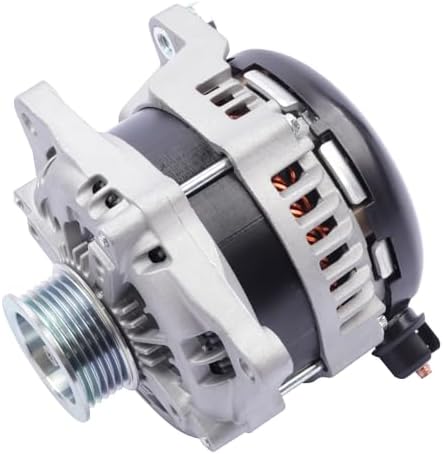
Explorer 2013-2019 3.5L V6 Turbocharged Alternator
$179.39 price checked August 2026
If you own an Acura, you should find the best alternator for acura models to ensure proper charging.

F-150 5.0L V8 Alternator 1042110080
$158.99 price checked August 2026
Read our full F-150 Alternator review
Before making a purchase, it is important to understand common alternator warranties and what they cover.

Mercedes-Benz CL550 CLS550 E550 GL550 GL450 GLS550 ML550 S550 SL550 SLK550 Alternator
$172.95 price checked August 2026
Can I repair my existing alternator instead of buying one?
Repairing an existing alternator involves replacing specific internal components, such as the brushes, voltage regulator, or rectifier diodes, rather than replacing the entire assembly. This is the most cost-effective route because it avoids the cost of a new housing and external mounting hardware. It requires a technician who can diagnose the specific failure mode, such as an amperage deficit or a burnt diode.
Repairing the unit is the preferred route when the external casing and mounting points are in perfect condition and the internal electrical failure is isolated. This approach becomes impractical if the internal rotor is seized, the pulley is cracked, or the housing is structurally compromised, as these issues require a full replacement to ensure safety and reliability.
You can learn alternator terms and specs explained in plain English to help simplify your search.
Should I get a high-output alternator?
A high-output alternator is an alternative to a standard replacement that provides a higher amperage curve to support heavy electrical loads like winches, large lighting arrays, or auxiliary cooling systems. These units are often used in off-road or heavy-duty applications where the stock alternator would fail to keep up with the electrical demand. They are more expensive than standard replacements but provide a higher ceiling for electrical accessories.
A high-output upgrade beats a standard replacement when your vehicle’s accessories exceed the factory-rated amperage of the original part. This option stops making sense if your vehicle only runs standard electronics, as the extra capacity provides no benefit and may lead to unnecessary heat generation during normal operation.
Is a used alternator a viable option?
A used alternator is a part salvaged from a donor vehicle, often sourced from a salvage yard or a private seller. This is typically the lowest-cost alternative to purchasing a new unit, as it involves no refurbishment costs or manufacturing markups. It relies entirely on the unknown history of the previous owner’s vehicle and how many hours the part was under load.
Used parts are a viable route for budget-constrained repairs on low-value vehicles where the owner is comfortable with the risk of a shorter component lifespan. This option stops making sense for critical transport or high-mileage vehicles, as a used alternator may have significant internal wear or heat damage that is not visible during a visual inspection.
Comparison of Alternator Alternatives
| Route | Who it suits | Main Advantage | Where it breaks down |
|---|---|---|---|
| Refurbished | Older project vehicles | Lower cost than new | Potential for lower lifespan |
| Professional Repair | Budget-conscious owners | Lowest part cost | Requires salvageable housing |
| High-Output | Off-road/Work vehicles | Supports heavy loads | Higher initial cost |
| Used Parts | Low-value/Temporary use | Lowest price point | Unpredictable reliability |
When is buying a new alternator the right choice?
Buying a new alternator is the correct choice when the vehicle is a primary daily driver or a high-value asset where reliability is the priority. It is the correct choice when the vehicle requires a specific OEM fitment that is no longer available in the refurbished or used markets. Finally, purchasing a new unit is the right answer when the cost of a professional repair exceeds 60% of the price of a new replacement, as the warranty on a new part provides better long-term value.