Exhaust tip diameter refers to the external width of the final exit point of a dual exhaust system, measured in inches. Your specific choice depends on the diameter of the existing piping and the aesthetic proportions of your vehicle’s rear bumper.
Which Exhaust Tip Diameter Suits Your Vehicle?
| If this is you | The Exhaust Tip Diameter that suits you | Why |
|---|---|---|
| You are installing a system on a compact car or a small-displacement motorcycle. | 2.0 to 2.5 inches | Smaller diameters maintain the correct visual scale and prevent the tips from appearing oversized on a small chassis. |
| You have a standard passenger sedan or a crossover with a mid-sized engine. | 3.0 to 3.5 inches | These sizes are the industry standard for daily drivers, providing a balanced look that matches most factory-style rear cutouts. |
| You own a large SUV, a heavy-duty truck, or a high-performance sports car. | 3.5 to 4.5 inches | Larger diameters accommodate the higher volume of air from high-displacement engines and match the aggressive lines of larger vehicles. |
| You are performing a custom fabrication for a wide-body race car or heavy machinery. | 4.5 inches and above | Maximum diameter provides the necessary clearance for extreme airflow requirements and custom visual branding. |
Products in this category with a full review here
3 reviewed options, $222.99 to $296.99, with the full write-up behind each name.


Shop Line Dual Exhaust System Flow II
$296.99 price checked August 2026
Read our full Shop Line Dual Exhaust review
You should also compare different material grades for dual exhausts to ensure the components can withstand high temperatures.
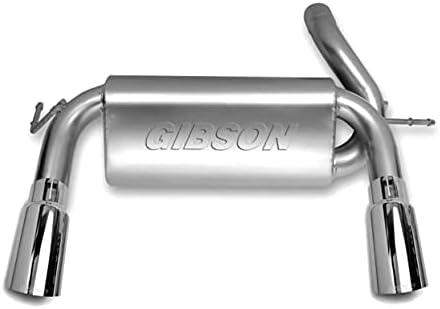
How Do I Measure My Required Exhaust Tip Diameter?
To determine the correct exhaust tip diameter, you must first identify the outer diameter of the exhaust pipe that feeds into the tip. The tip must be slightly larger than the pipe’s outer diameter to allow for a proper slide-on fit or a secure weld.
Identify the Existing Pipe Diameter
Locate the section of the exhaust pipe just before it exits the vehicle. Use a pair of calipers to measure the outside diameter of the metal tubing. If you cannot measure the pipe directly, look for a stamped number on the pipe itself, as manufacturers often mark the diameter (e.g., “3.0” or “3-inch”) on the side of the tubing.
Check the Bumper Cutout Space
Measure the physical opening in your rear bumper or valance where the exhaust tips will sit. The exhaust tip diameter must be smaller than the bumper opening to ensure it can be installed without hitting the surrounding bodywork. If the bumper opening is 4 inches wide, a 4-inch tip may be too tight to slide into place; a 3.5-inch tip provides a safer clearance margin.
Selecting the correct fitment is easier if you learn about dual exhaust connection types before purchasing.
Verify the Connection Method
Determine if you are using a slip-on tip or a welded tip. For slip-on designs, the internal diameter of the tip must accommodate the outer diameter of the pipe. For welded designs, the tip diameter is often chosen based on aesthetics, but the pipe must be sized to match the tip’s internal flow capacity. Confirm the pipe’s outer diameter is exactly what the tip’s manufacturer specifies for compatibility.
What Happens if the Exhaust Tip Diameter is Wrong?
Choosing an exhaust tip diameter that is either too small or too large for your system creates specific mechanical and aesthetic issues.
The Risks of an Under-sized Tip
If the exhaust tip diameter is smaller than the piping it is meant to accommodate, it creates a restriction in the exhaust flow. This restriction increases backpressure, which can lead to higher exhaust gas temperatures (EGTs) and a slight loss of engine efficiency. Visually, a tip that is too small can look disproportionate, appearing like a “bottleneck” on a large pipe.
The Risks of an Over-sized Tip
An exhaust tip diameter that is significantly larger than the pipe diameter can cause aesthetic issues, as the tip may look “floppy” or oversized for the vehicle. More importantly, if the tip is too large for the bumper opening, it may not fit into the designated space at all. If you choose a tip that is much larger than the pipe, you may also experience “drone” or resonance, as the sudden expansion of the exhaust gas into a large void can create specific vibration frequencies at highway speeds.
What Should I Do if My Measurement Falls Between Two Sizes?
When your measurements place you between two standard exhaust tip diameters, the decision depends on whether your priority is clearance or flow dynamics.
Prioritize Bumper Clearance
If your bumper opening is tight, always choose the smaller of the two available diameters. It is far easier to install a slightly smaller tip that fits into the bumper than to modify the vehicle’s bodywork to accommodate a larger one. Ensure the smaller size still provides enough clearance for the pipe to slide into the tip.
Prioritize Aesthetic Proportions
If you have plenty of room in the bumper and are deciding between two sizes for looks, choose the larger diameter. A larger tip generally provides a more substantial presence on the rear of the vehicle. However, ensure the larger diameter does not exceed the maximum flow capacity of your existing exhaust piping to avoid creating unnecessary backpressure.
Consult a Qualified Installer
Because exhaust systems involve heat and structural mounting, you should confirm your final selection with a qualified installer before ordering. They can verify the clearance and ensure that the chosen diameter will not interfere with the vehicle’s chassis or surrounding components during operation. A professional can also advise on whether a specific diameter will cause resonance issues based on your vehicle’s specific muffler configuration.