There are three primary types of dual exhaust systems distinguished by how the piping is attached to the vehicle and the material used for the tubing. The core decision for a buyer involves choosing between the ease of a clamp-on system, the performance of a weld-on system, and the specific corrosion resistance of stainless steel versus aluminized steel. These structural differences dictate whether the installation requires a professional fabricator or can be managed with standard tools, and how the system will handle heat and moisture over time.
What are clamp-on dual exhaust systems?
Clamp-on dual exhaust systems use heavy-duty hose clamps or specialized brackets to secure the exhaust piping to the vehicle’s existing factory hangers and flanges. This design allows for a direct bolt-on installation that does not require cutting or welding the vehicle’s chassis or existing exhaust components.
If you need to maintain the original factory integrity of your vehicle or lack access to a professional welding shop, a clamp-on system is the standard choice. These systems are designed to be compatible with a wide range of stock configurations, making them the most accessible entry point for dual outlet upgrades. Because they rely on standard mounting points, they are often the most affordable option in the market.
The primary trade-off for this ease of installation is the potential for vibration. Because the pipes are not fused to the frame, they may experience more movement, which can lead to resonance or drone if the clamps are not torqued correctly. Additionally, clamp-on systems are usually limited to the dimensions of the factory hangers, which might restrict the use of larger diameter piping.
Where these choices show up in our reviews
Prices across these 3 run from $178.49 to $305.99; each one has a full review here.
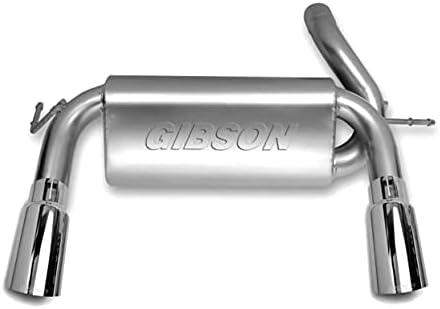


Shop Line Flowmaster Super 40 Dual Exhaust
Selecting the right metal depends on your needs, so learn how to choose your exhaust material to ensure long-lasting durability.
$305.99 price checked August 2026
What are weld-on dual exhaust systems?
Weld-on dual exhaust systems are custom-fitted components that require a professional installer to fuse the new piping directly to the vehicle’s exhaust manifold or mid-pipe. This creates a seamless, permanent connection between the engine’s output and the dual exhaust path.
A weld-on system is for the owner who prioritizes maximum flow and a precise fit. By eliminating the gaps and joints found in clamp-on systems, these setups reduce backpressure and provide a more consistent exhaust note. This is the standard for high-performance applications where the goal is to maximize horsepower and optimize the flow dynamics of the gases.
The cost of a weld-on system is significantly higher than a clamp-on kit because it requires professional labor and custom fabrication. Furthermore, because these systems are permanent, they are much harder to remove or modify later. If the vehicle’s engine configuration changes, a weld-on system often requires a complete replacement rather than a simple adjustment.
How does material affect dual exhaust systems?
Material choice in dual exhaust systems focuses on the balance between weight, cost, and resistance to the extreme heat and moisture of the exhaust environment. The two primary standards are aluminized steel and T304/T409 stainless steel.
Aluminized steel is a cost-effective option where a layer of aluminum is bonded to a steel core. It provides significantly better corrosion resistance than standard mild steel and is the most common material for high-volume dual exhaust kits. If your priority is a balance of durability and budget, aluminized steel provides a long service life in most climates.
T304 or T409 stainless steel represents the premium tier of materials. These systems offer superior resistance to rust and can withstand higher temperatures without warping or discoloring. For a buyer in a coastal environment or a region with heavy road salt, stainless steel is the preferred choice to prevent premature degradation. These systems sit at the highest price point for the category due to the raw material costs.
Comparison of dual exhaust system types
| System Type | Best-Fit Buyer | Main Advantage | Main Compromise |
|---|---|---|---|
| Clamp-on | DIY-oriented owners / Stock-heavy builds | Fast, non-permanent installation | Potential for vibration/drone |
| Weld-on | Performance enthusiasts / Custom builds | Maximum flow and seamless fit | High labor cost and permanent fix |
| Aluminized Steel | Budget-conscious / General use | Good corrosion resistance for low cost | Lower durability than stainless |
| Stainless Steel | Coastal regions / High-heat applications | Maximum rust resistance and durability | Highest material cost |
How do I know which dual exhaust type is right for me?
To determine the correct dual exhaust system, you must check your requirements against these three specific conditions.
Can you perform the installation?
If you do not have access to a certified welder or a professional fabrication shop, you must select a clamp-on system. Weld-on systems require a qualified technician to ensure the joints are structurally sound and leak-free.
What is your performance goal?
If you are looking for a measurable increase in flow and a specific high-performance sound, a weld-on system is the correct choice. If you simply want the aesthetic of a dual outlet and a slightly deeper tone without significant engine tuning, a clamp-on system is sufficient.
Where will the vehicle be driven?
If you live in a high-salt environment or a coastal area, you should prioritize a stainless steel system regardless of the mounting type. In drier climates or for vehicles that are primarily garage-kept, aluminized steel provides a sufficient balance of protection and value.