A wheel hub is a central component of a vehicle’s drivetrain that connects the wheel assembly to the axle. It serves as the mounting point for the wheel and the bearing, allowing the wheel to rotate freely while supporting the weight of the vehicle and its load. By acting as the pivot point for the wheel, the hub ensures that the rotation of the axle translates directly into the movement of the tire.
The primary problem a wheel hub solves is the need for a stable, low-friction connection between a heavy, moving wheel and a stationary or rotating axle. Without a high-quality hub and bearing assembly, the friction between the wheel and the axle would generate extreme heat, cause the wheel to seize, or lead to significant vibration. A failing hub can cause the wheel to wobble, leading to uneven tire wear, steering instability, and potential mechanical failure of the braking system.
How a Wheel Hub Works
The wheel hub functions through a series of mechanical transfers that move from the vehicle’s drivetrain to the ground. The process follows these steps:
- The axle provides the structural foundation, extending from the vehicle’s differential or transaxle.
- The wheel hub sits on the axle, housing the internal bearings that allow for rotation.
- The wheel is bolted directly to the face of the hub, creating a rigid connection between the rim and the hub’s center.
- As the axle rotates, the hub turns with it, allowing the wheel to spin around the hub’s center point.
- The bearings inside the hub manage the load, ensuring the wheel remains centered and moves with minimal resistance.
Wheel Hubs we have reviewed in detail
Prices across these 3 run from $145.78 to $168.70; each one has a full review here.
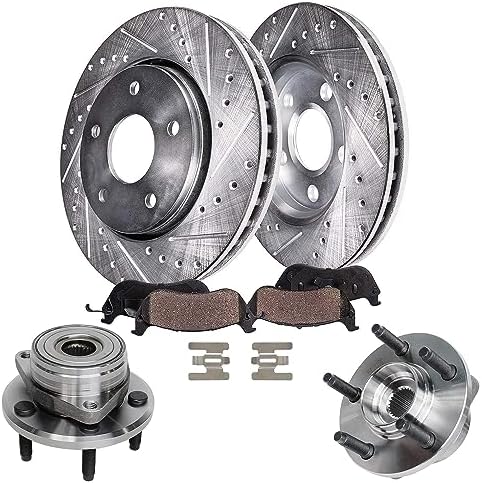

Detroit Axle 4WD Front Wheel Bearing Hubs
If you are upgrading a heavy-duty truck, see the best wheel bearing hub assembly for ford f-250 to find the most durable options.
$154.60 price checked August 2026
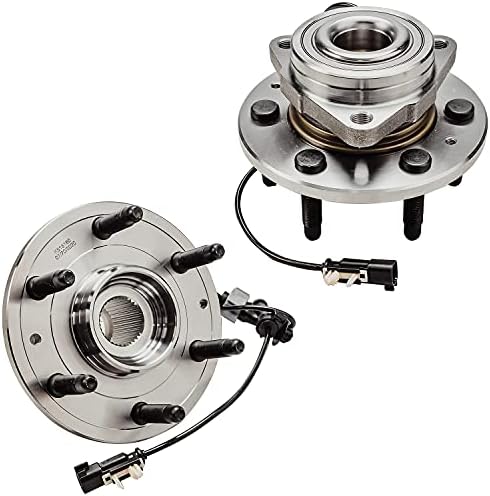
Wheel Hub Components and Specifications
Several specific components determine the performance and fitment of a wheel hub. Understanding these terms helps identify the correct replacement for a specific vehicle.
To better understand technical specifications, visit our guide on wheel hub terms and specs for a simplified breakdown.
Hub Bolt Pattern
The hub bolt pattern is the specific arrangement of holes on the face of the hub. It is usually defined by a standard like 6×139.7 or 5×114.3. This measurement defines the physical mounting interface for the wheel studs; if the bolt pattern does not match the vehicle’s axle, the hub will not physically bolt to the vehicle’s axle.
Hub Bore Diameter
The hub bore is the diameter of the center hole in the hub. This measurement determines if the hub will seat correctly on the axle spindle. If the bore is too large, the hub will not stay centered; if it is too small, it will not slide onto the spindle.
ABS Sensor Type
Modern wheel hubs often include an ABS (Anti-lock Braking System) sensor. These are categorized as either Active or Passive sensors. The sensor type ensures the electronic stability system recognizes the new hub. An ABS signal incompatibility triggers a dashboard warning light and disables traction control.
Bearing Tiers
The internal bearings are the core of the hub’s functionality. Many aftermarket brands license their components from industry-standard manufacturers like Timken or SKF. These reference tiers represent the baseline for noise, vibration, and heat dissipation standards. Using bearings from these manufacturers ensures the hub can handle the heat generated during heavy braking.
What a New Wheel Hub Changes in Practice
Replacing a wheel hub changes the physical stability and safety of the vehicle’s handling. When a hub is worn, the wheel may develop a “wobble” or a “shimmy,” which is felt as a vibration in the steering wheel or the floorboards of the car. A new hub eliminates this vibration by providing a perfectly centered rotation point.
In practical terms, a new hub also ensures even tire wear. If the hub is slightly tilted or the bearings have developed play, the tire will not make flat contact with the road, causing the tread to wear unevenly. A replacement hub restores the geometry of the wheel. Conversely, a new hub does not change the vehicle’s braking power or acceleration; its job is strictly to provide a smooth, stable rotation and a secure mounting point for the wheel.
Who Needs a Wheel Hub Replacement?
You need a wheel hub replacement if you notice a vibration in the steering wheel that increases with vehicle speed, or if you hear a grinding or humming noise coming from the wheel area. These are physical signs that the internal bearings are failing or the hub is developing play.
A wheel hub replacement is also necessary if a wheel appears to be “wobbling” or if the tire tread is wearing down in a pattern that suggests the wheel is not sitting perfectly straight. If you are performing a major suspension overhaul or a hub-centric wheel upgrade, you may need a new hub to ensure the correct hub bore and bolt pattern for the new wheels. A qualified installer should perform this replacement to ensure the hub is seated correctly and the torque specs are met, as incorrect installation can lead to bearing preload variance, causing premature wheel wobble.