What is Flange Thickness in a Wheel Hub?
Flange thickness is the measurement of the hub’s mounting surface, the part of the wheel hub that presses against the brake disc or drum. Your specific vehicle’s design determines the exact thickness required to ensure the wheel sits at the correct distance from the axle and aligns with the braking system.
Wheel Hubs covered by our own reviews
3 reviewed options, $102.16 to $229.80, with the full write-up behind each name.

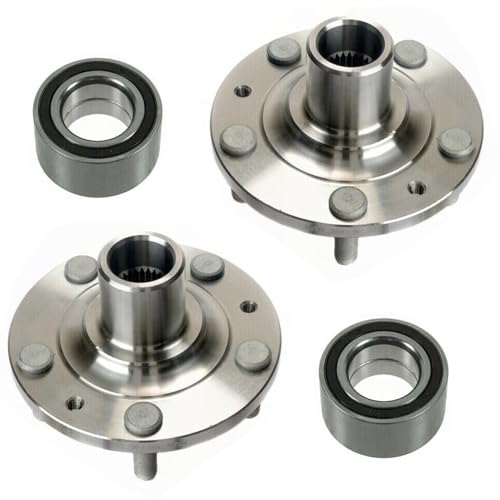
Detroit Axle Wheel Bearing & Hubs Kit
$180.29 price checked August 2026
Read our full Wheel Bearing Hubs review
If you are just starting out, browse our guide to affordable wheel bearing hub assemblies to find a cost-effective entry point.
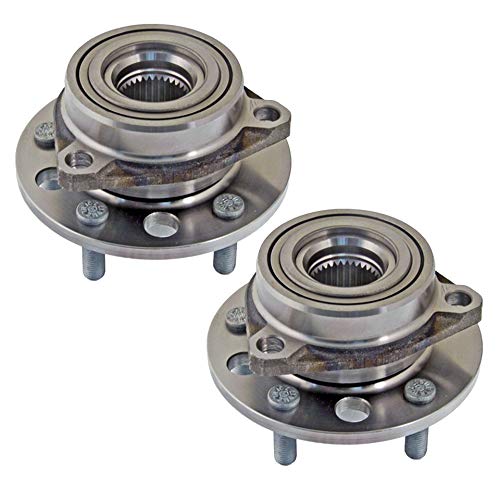
Detroit Axle Cadillac Commercial Fleetwood 5 Bolt Hub
Owners of heavy-duty trucks should view our comparison of the best wheel bearing hub assembly for ford f-250 to find a durable fit.
$102.16 price checked August 2026
Read our full Detroit Axle Cadillac Commercial Fleetwood 5 Bolt Hub review
Matching your situation to the correct Flange Thickness
| If this is you | The Flange Thickness that suits you | Why |
|---|---|---|
| Replacing a hub on a standard passenger car or SUV | The exact mm measurement of your current hub | Standard vehicles use specific flange depths to maintain the correct wheel offset and brake clearance. |
| Fitting a heavy-duty truck or commercial vehicle | A thicker flange (often 20mm to 30mm+) | Larger vehicles require more surface area and thickness to distribute high torque and weight loads across the mounting surface. |
| Modifying a vehicle for a specific offset change | A flange thickness that accounts for the new disc depth | Changing the thickness of the flange directly alters the hub’s protrusion, which changes where the wheel sits relative to the hub center. |
| Replacing a hub on a performance vehicle with oversized brakes | A thickness that provides sufficient clearance for the caliper | Larger brake systems may require specific flange depths to ensure the wheel does not interfere with the braking hardware. |
How to measure and confirm your Flange Thickness
To find the correct flange thickness, you must measure the actual thickness of the mounting face on your existing wheel hub. This is the flat surface where the wheel bolts attach, not the total diameter of the hub or the thickness of the bearing seat.
Tools required for measurement
Use a digital caliper or a high-quality steel ruler to ensure accuracy to the nearest millimeter. Because wheel hubs are heavy and often oily, it is helpful to clean the mounting surface with a degreaser before taking a measurement.
You should also research how to select the correct ABS sensor type to ensure your safety systems function properly.
Where to find the measurement
Measure the flange thickness by placing the caliper across the mounting face. You are measuring the distance from the front of the flange to the back of the flange. If the hub is already installed, you may need to remove the wheel and the brake assembly to access the mounting face clearly.
Verifying with manufacturer data
If the hub is removed, you can often find the flange thickness listed in the vehicle’s technical specifications or the original equipment manufacturer (OEM) parts catalog. Look for the “flange thickness” or “hub depth” specification, which is typically listed in millimeters (mm).
Risks of incorrect Flange Thickness
Choosing a flange thickness that is too thin or too thick creates a physical mismatch between the hub, the brake assembly, and the wheel. These errors manifest as mechanical interference or safety hazards during operation.
Consequences of a flange that is too thin
If the flange is thinner than the original specification, the wheel will sit too far out from the axle. This change in offset can cause the tire to rub against the inner fender liner or the suspension components. It may also cause the brake caliper to sit too close to the wheel, potentially leading to rubbing or a complete inability to mount the wheel.
Consequences of a flange that is too thick
A flange that is thicker than the original specification pulls the wheel inward toward the axle. This reduces the clearance between the brake pads and the rotor, which can cause the brakes to drag or seize. In severe cases, the wheel may hit the brake caliper, preventing the vehicle from moving or causing immediate mechanical failure of the braking system.
Proper alignment depends on your vehicle’s specs, so see how to identify the correct hub bolt pattern before purchasing.
The result of a mismatch
Regardless of whether the flange is too thick or too thin, a mismatch will likely cause the wheel to be “out of true” relative to the braking system. This can lead to uneven tire wear, vibration at high speeds, and a significant reduction in braking reliability because the hub is not seated in its intended position.
What to do when you fall between two Flange Thickness values
If your measurements suggest a value that sits between two standard manufacturing options, you must determine which direction provides the necessary clearance for your specific brake setup. Because flange thickness directly affects the wheel’s protrusion, the choice depends on whether your current setup has more room toward the outside of the vehicle or toward the inside.
Prioritizing brake clearance
If your brake calipers are large and have limited clearance, you should prioritize a flange thickness that moves the wheel further away from the caliper. In most cases, this means selecting the larger mm measurement, provided there is enough physical space in the wheel well to accommodate the wider stance.
Prioritizing wheel well clearance
If your vehicle has a narrow wheel well or the tire is very close to the inner suspension, you must prioritize a flange thickness that keeps the wheel tucked in. In this scenario, you would choose the smaller mm measurement to ensure the tire does not contact the bodywork or suspension arms.
Consulting a professional
Because a mismatch in flange thickness can impact the vehicle’s safety and legal roadworthiness, you should confirm your final choice with a qualified mechanic. A professional can measure the available clearance in your specific wheel well and confirm which thickness allows for the safe operation of the braking system and the rotation of the wheels.