Wheel hub warranties typically range from 12 months to 3 years, depending on the manufacturer’s tier and the specific application of the hub. The most common reason a warranty claim for a wheel hub is refused is evidence of improper installation, such as incorrect torque on the hub bolts or a failure to properly seat the hub onto the axle spindle.
What Does a Wheel Hub Warranty Cover?
A wheel hub warranty generally covers manufacturing defects in the materials and the integrity of the internal components. Because the hub is a critical safety component, the warranty focuses on the structural soundness of the hub body and the internal bearing assembly.
- Manufacturing defects in the cast or forged hub housing.
- Internal bearing failures caused by material flaws or incorrect heat treatment.
- Cracks or fractures in the hub face resulting from production errors.
- Failure of the hub to maintain the correct hub bolt pattern alignment due to manufacturing issues.
Most warranties specifically exclude issues caused by external forces or environmental factors that fall outside of standard operating conditions. Because wheel hubs are subject to extreme stress, many manufacturers limit their liability to the part itself rather than the vehicle’s performance.
- Damage caused by impact, such as hitting a curb or a deep pothole.
- Corrosion or rust caused by exposure to road salt or chemicals.
- Failure due to incorrect hub bore diameter or bolt pattern mismatch.
- Wear and tear from normal operation over the life of the vehicle.
- Damage resulting from using incorrect wheel weights or unbalanced tires.
Reviewed examples from this category
3 reviewed options, $139.72 to $258.49, with the full write-up behind each name.
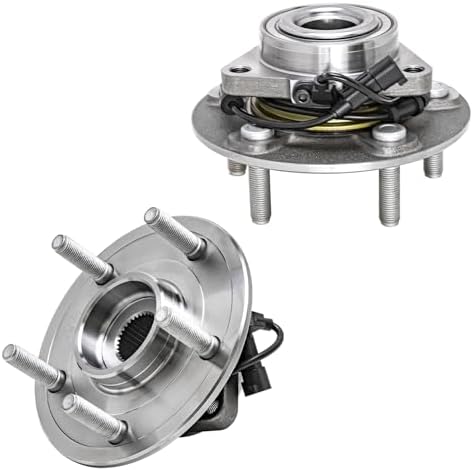
Detroit Axle Front Wheel Bearing Hubs Ram 1500
$169.95 price checked August 2026
Read our full Ram 1500 Wheel Hubs review
If you own a heavy-duty truck, view our roundup of Dodge Ram 2500 bearing hubs.
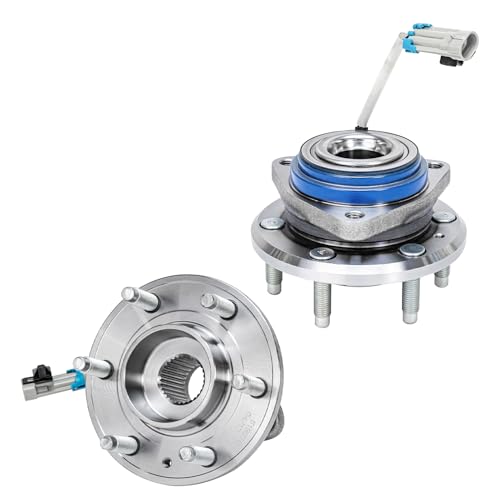
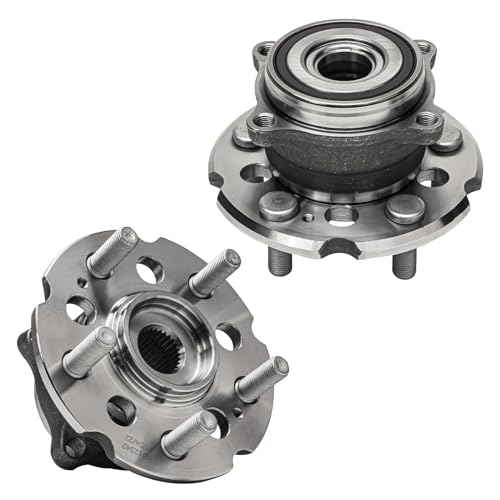
Detroit Axle AWD Rear Wheel Bearing Hubs
$258.49 price checked August 2026
Read our full Rear Wheel Hubs review
You might also consider exploring various wheel hub alternatives to achieve your desired results.
How Does the Seller Affect Your Wheel Hub Warranty?
The source from which you purchase the wheel hub determines who handles the initial claim and how quickly a replacement may be issued. Each type of seller has a different level of accountability regarding the manufacturer’s original warranty terms.
Buying Directly from the Maker
Purchasing directly from the manufacturer provides the most straightforward path for a warranty claim. You deal with the entity that issued the warranty, removing any middleman who might complicate the verification of the part’s origin or production date.
Buying from an Authorised Retailer
An authorised retailer is a business officially recognized by the manufacturer to sell their products. These sellers usually facilitate the warranty process by accepting the faulty part and coordinating with the manufacturer for a replacement or refund.
Buying from a Marketplace Seller
Marketplace sellers often act as third-party entities and may not have a direct relationship with the manufacturer. If a claim is filed, you may have to navigate the marketplace’s return policy first, which can be more restrictive than the manufacturer’s own terms.
Buying Refurbished or Open-Box
Refurbished or open-box wheel hubs often carry a significantly different or non-existent manufacturer warranty. These items are frequently sold with a limited “as-is” warranty from the seller, which may only cover the first 30 to 90 days of use.
Buying from an Importer or Grey-Market Seller
Grey-market sellers provide products that are genuine but intended for a different region or market. These products often cannot be serviced under the local manufacturer’s warranty, meaning you may have no recourse if the hub fails.
Make sure to research how to select flange thickness before finalizing your purchase.
What Actions Void a Wheel Hub Warranty?
Specific actions during the installation and operation of the wheel hub will immediately void any manufacturer’s coverage. Because the hub is a high-torque component, any deviation from standard mechanical procedures is viewed as a user-induced failure.
Improper installation is the primary factor. If the hub is not torqued to the specific manufacturer’s requirements, or if the hub is installed on a vehicle with an incompatible hub bolt pattern or hub bore diameter, the warranty is void. Furthermore, using the hub on a vehicle that has suffered a major collision or structural frame damage can disqualify a claim.
Environmental and maintenance factors also play a role. If a hub shows signs of severe corrosion because it was not maintained according to the vehicle’s service schedule, a claim may be denied. Additionally, any modification to the hub, such as drilling for custom mounting points or welding, will void all coverage.
What Should You Do Before Buying a Wheel Hub?
Taking specific steps before you purchase and install the wheel hub ensures that you are protected if a manufacturing defect occurs. You must verify the technical specifications and document the condition of the part upon arrival.
- Confirm your vehicle’s hub bolt pattern (e.g., 6×139.7) and hub bore diameter before ordering.
- Verify the ABS sensor type (Active vs. Passive) to ensure the hub is compatible with your vehicle’s stability system.
- Record the serial number and manufacturing date of the hub upon receipt.
- Keep the original packaging and the physical warranty card or receipt provided by the seller.
- Take clear photos of the hub’s condition before installation to prove it arrived without shipping damage.
- Consult a qualified mechanic to perform the installation to ensure the torque specs are met.
When is an Extended Warranty Worth It?
An extended warranty for a wheel hub is generally only worth it if you are purchasing a high-performance hub for a heavy-duty application or a vehicle that operates in extreme environments. If you are replacing a standard hub on a daily driver with a high-quality, new-production part from a reputable manufacturer, the standard 1-to-3-year warranty is usually sufficient.
You should consider an extended warranty only if the cost of the part is high and the manufacturer’s standard coverage is less than one year. For most consumers, the most effective way to protect your investment is to ensure a perfect installation by a professional, as this prevents the most common reason for warranty denials.